How to Avoid Distracted Driving
Did you know that distracted driving claims more teenage lives than any other cause during summer months? This sobering reality highlights a growing crisis on American roads that affects everyone.
In 2016 alone, over 40,000 people lost their lives in traffic incidents. This marked the largest two-year increase in fatalities in half a century. The National Highway Traffic Safety Administration reports that in 2011, distractions behind the wheel caused more than 3,000 deaths and nearly 400,000 injuries.
This guide serves as your complete resource for staying focused while operating a vehicle. We’ll explore the most common hazards that pull attention away from the road. You’ll learn practical strategies to protect yourself, your passengers, and others sharing the pavement.
Whether you’re a new driver, concerned parent, or safety-conscious employer, our friendly approach provides valuable insights for all experience levels. By the end, you’ll have effective tools to make every trip safer.
Key Takeaways
- Distracted driving is the leading cause of teen fatalities during summer months
- Road fatalities saw the largest two-year increase in over 50 years
- Thousands of deaths and injuries occur annually due to driver inattention
- This guide provides practical strategies for all experience levels
- Focusing on road safety protects everyone sharing the pavement
- Common distractions include technology use, eating, and fatigue
- Implementing safety measures can significantly reduce accident risks
Understanding the Dangers of Distracted Driving
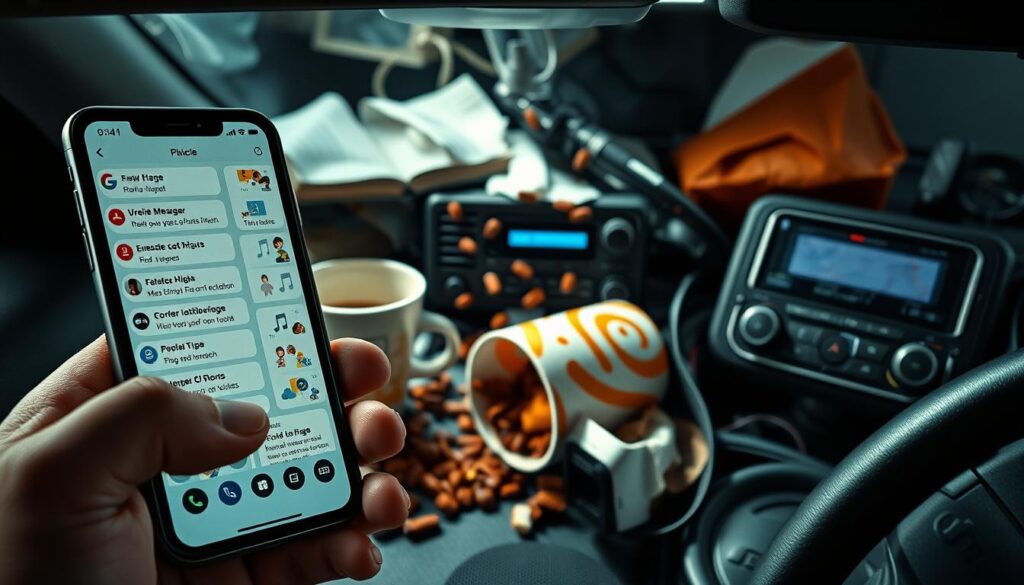
Simple activities we consider harmless can become serious threats behind the wheel. Any action that diverts your attention from operating your vehicle qualifies as a distraction.
Common distractions include electronic device use, eating, drinking, and interacting with passengers. Even adjusting your radio or navigation system requires attention that should remain on the pavement.
Identifying Common Distractions
Texting while operating a vehicle presents a particularly dangerous combination of distractions. It involves visual, manual, and cognitive attention simultaneously.
Research reveals alarming statistics about young motorists. Eighty percent of teenage girls and fifty percent of teenage boys admit to texting while behind the wheel.
| Distraction Type | Common Examples | Primary Risk |
|---|---|---|
| Visual | Looking at phone, reading maps | Eyes off the road |
| Manual | Eating, adjusting controls | Hands off the wheel |
| Cognitive | Daydreaming, passenger conversations | Mind off driving |
Impact on Driver, Passengers, and Pedestrians
Drowsiness significantly impairs a motorist’s ability to respond to changing conditions. Fatigue reduces reaction time and decision-making quality.
Texas recognized these dangers by making texting, reading, or writing emails while operating a vehicle illegal in 2017. This legislation reflects growing awareness of the risks.
Remember that distracted driving endangers everyone sharing the road. Your passengers and pedestrians face serious consequences when attention wanders.
Practical Tips to Avoid Distracted Driving

Your journey toward safer roads starts with practical habits you can implement today. These simple strategies help keep your attention where it belongs – on the driving experience.
Turning Off and Stowing Your Phone
The most effective tip involves managing your cell phone before starting your vehicle. Power it off completely or activate “do not disturb” mode to eliminate notifications.
Place your device somewhere out of reach, like the glove compartment or back seat. This removes temptation during your travel time.
Consider using blocking technology that prevents calling, texting, or internet use while your vehicle moves. Set up an automated message telling callers you’ll respond when safely parked.
If you must take an urgent call, always pull over to a safe location first. No message is worth risking safety.
Preparing Your Vehicle and Route in Advance
Before driving, program your navigation system with your destination. Adjust mirrors, climate controls, and queue up music or podcasts.
Familiarize yourself with your vehicle’s safety features beforehand. Clear loose objects that might distract you during travel.
Review maps or directions in advance so you won’t need to read them while operating your vehicle. These preparations create a focused environment from the start.
Managing In-Car Distractions and Passenger Behavior

Smart management of passengers and pets transforms potential hazards into safety assets. Your traveling companions can actually help maintain focus when given clear roles.
Think of your car as a team environment where everyone contributes to safe travel. Proper preparation makes all the difference for a smooth journey.
Handling In-Car Technology and Devices
Your passengers become valuable allies in managing technology. If you’re expecting an important call during travel time, ask someone to handle your cell phone.
They can answer urgent messages or communicate on your behalf. Passengers can also manage navigation systems and adjust climate controls.
This teamwork keeps your attention on the road ahead. Simple delegation prevents the need to handle devices while operating your vehicle.
Strategies for Keeping Kids and Pets Safe
Children and animals require special attention during car trips. Always secure pets in carriers or with specialized seatbelts before departure.
Unrestrained animals can jump into your lap or block your view. This creates serious distraction at critical moments.
For children, ensure proper car seat installation and address needs before starting. If kids become upset during travel, pull over safely rather than reaching back.
These precautions might add a few minutes to your preparation time. But they dramatically reduce potential distractions throughout your journey.
Safety Policies, Laws, and Best Practices
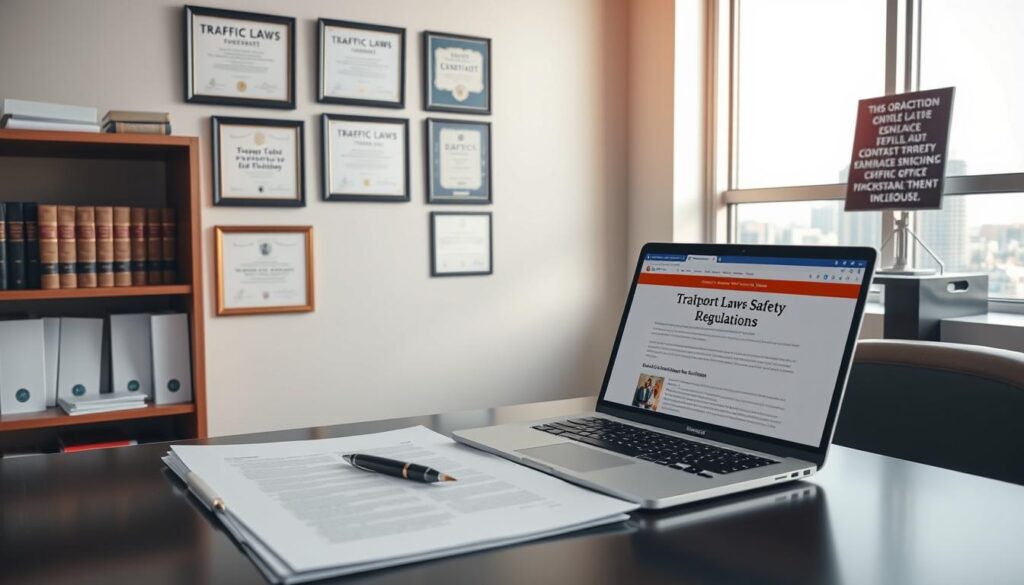
Creating a culture of responsibility involves both understanding legal requirements and implementing practical safety measures. These approaches work together to protect everyone on our roads.
Understanding State and Local Regulations
Different states have various rules about handheld devices and texting behind the wheel. Knowing your local laws helps you stay compliant and safe.
Some states have strict bans on cell phone use while operating a vehicle. Others focus specifically on texting restrictions. Penalties can include fines and license points.
| State | Handheld Ban | Texting Ban | Enforcement Type |
|---|---|---|---|
| California | Yes | Yes | Primary |
| Texas | No | Yes | Primary |
| New York | Yes | Yes | Primary |
| Florida | No | Yes | Secondary |
Adopting Work and Family Safety Policies
Employers can create policies that prioritize safety over immediate responses. This means waiting until employees are parked to discuss work matters.
Families can establish rules about not contacting relatives who are likely driving. Parents modeling attentive behavior teaches children important safety habits.
Passengers should feel comfortable speaking up when they see risky behavior. Your voice could prevent a serious incident on the road.
Conclusion
Protecting everyone on our streets requires consistent focus during every trip behind the wheel. The simple principle of keeping your eyes on the road and hands on the wheel makes all the difference for safe travel to your destination.
Every time you reach for your phone or respond to a text message, you risk everyone’s safety. These moments of distraction can have serious consequences for drivers, passengers, and pedestrians alike.
The good news is that eliminating these risks is achievable with planning. Handle personal activities before entering your vehicle or after arrival. If items fall during driving, wait until you can safely retrieve them.
Make a personal commitment today to stay focused every time you operate a car. Together, we can create safer roads for all who share them.
FAQ
What are the most common distractions while on the road?
How can I make sure my phone doesn’t distract me?
What should I do to get ready for a trip?
How can I manage passengers, especially kids and pets?
Are there laws against using a cell phone while driving?
Why is it so dangerous to text behind the wheel?

Eduard Kingly is a travel and lifestyle content creator with a focus on personal development and education. He combines firsthand travel experiences with research-driven insights to guide readers in discovering new places, building better habits, and pursuing meaningful learning.