How to Drive Smart and Save Fuel
Did you know American drivers collectively waste billions of gallons of gas each year through inefficient habits? That’s a staggering amount of money literally vanishing from wallets. With fluctuating prices at the pump, mastering your vehicle’s efficiency is more crucial than ever.
This guide is your friendly roadmap to smarter motoring. We’ll share practical actionable tips that boost your car’s performance without any special gear. These strategies work for every type of trip, from your daily commute to a long vacation.
You will learn how simple changes to your acceleration, braking, and maintenance routine make a huge difference. Our goal is to help you improve your fuel economy significantly. These methods become second nature, putting more cash back in your pocket on every drive.
Key Takeaways
- Small changes in driving behavior can lead to major improvements in fuel efficiency.
- Proper vehicle maintenance is a cornerstone of good fuel economy.
- Smoother acceleration and braking habits conserve gas effectively.
- These strategies apply to all types of cars and driving situations.
- Implementing these tips can help you keep more money in your budget.
- Efficient driving also contributes to a cleaner environment.
Driving Fundamentals for Enhanced Fuel Economy
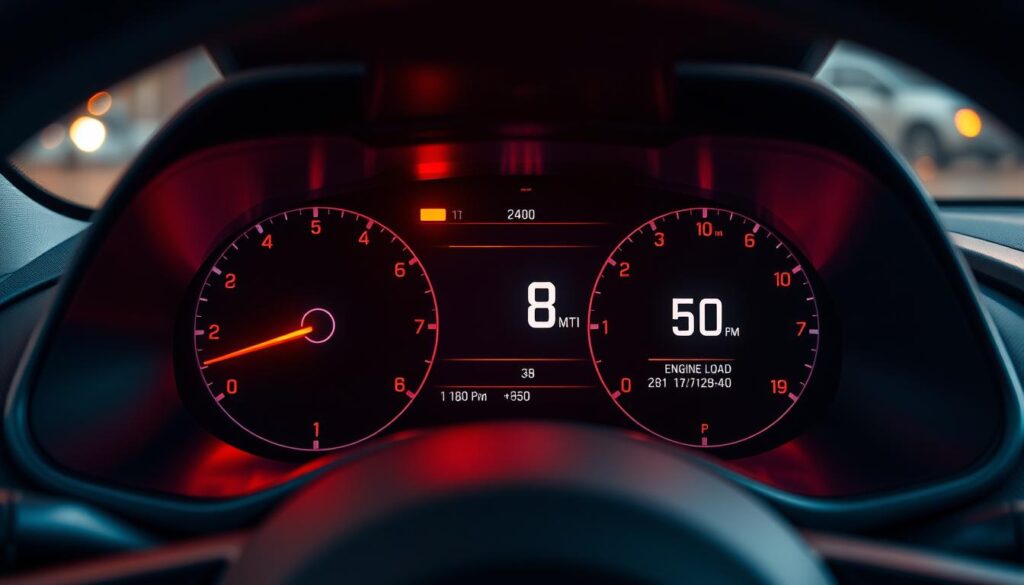
Think of your vehicle’s engine as a partner in efficiency, responding directly to your commands. The key to better gas mileage lies in understanding this relationship. When you ask for sudden power, it has to work much harder.
Understanding How Engine Load Affects Fuel Consumption
Every time you press the accelerator, your engine burns fuel to generate power. This demand is called engine load. Asking for a little power gently keeps fuel consumption low. But a heavy foot forces the engine to guzzle more.
This is why gentle acceleration is so effective. Pressing the pedal smoothly allows your car to work efficiently. Rapid starts can increase your fuel use by up to 30 percent on the highway.
The Impact of Acceleration, Speed, and Braking on Gas Mileage
Your driving speed dramatically impacts efficiency. Most vehicles achieve optimal fuel economy between 45 and 55 miles per hour. Going faster makes your engine fight against strong wind resistance.
This explains why highway driving often gets better mileage ratings than city driving. Your braking technique also matters. Slamming on the brakes wastes the momentum you already paid for.
Instead, try coasting toward red lights. This simple habit conserves energy. Maintaining a safe following distance helps you anticipate traffic flow, reducing unnecessary stops and starts.
Aggressive habits like rapid acceleration and hard braking can slash your gas mileage by as much as 33 percent.
Transforming your vehicle into an efficient machine is all about smooth, predictable driving. These small changes make a big difference on all types of roads.
Smart Strategies to Save Fuel on the Road
Beyond basic driving habits, your car’s built-in systems offer powerful tools for maximizing performance on every journey. These technologies work automatically to boost your vehicle’s efficiency when used correctly.
Effective Use of Cruise Control and Start/Stop Systems
Cruise control becomes your best ally on long highway drives. This system maintains steady speeds, eliminating the small adjustments that waste energy. On flat roads, proper cruise control use can improve your fuel economy by up to 7 percent.
Modern start/stop systems represent cutting-edge efficiency technology. Brands like BMW, Jeep, and Mercedes-Benz incorporate these in mild hybrid vehicles. The system uses specialized AGM batteries designed for repeated engine cycling.
“While some drivers disable start/stop functionality, embracing this technology significantly reduces fuel consumption during city driving with frequent stops.”
Mitigating Drag and Optimizing Tire Pressure
Reducing drag is crucial for highway efficiency. Wind resistance increases dramatically at higher speeds. Keep windows up and remove unused roof racks to maintain a streamlined profile.
Tire pressure optimization is one of the simplest yet most effective strategies. Check your tires regularly using the recommended PSI from your driver’s door sticker. Proper air pressure ensures optimal contact with the road.
| Tire Pressure Condition | Effect on Efficiency | Impact on Safety | Tire Lifespan |
|---|---|---|---|
| Correct PSI | Optimal fuel economy | Maximum traction | Normal wear pattern |
| Under-inflated | Increased rolling resistance | Reduced handling | Edge wear accelerates |
| Over-inflated | Uneven contact patch | Compromised braking | Center tread wears faster |
These smart adjustments to your cruise control use, embracing start/stop technology, and maintaining proper tire pressure can collectively improve your vehicle’s consumption by significant percentages over thousands of miles.
Vehicle Maintenance and Efficient Driving Habits
Your vehicle’s daily upkeep and how you manage its systems play a huge role in how far you can travel on a single tank. Smart habits extend beyond just how you press the pedals.
Proper Climate Control Use: Balancing AC and Windows
Choosing between air conditioning and open windows depends on your speed. In slow city driving and traffic, rolling down the windows is better for your gas economy.
The drag from open windows is small at low speeds. Using the air conditioning system puts a heavy load on your car‘s engine.
On the highway, the situation reverses. Open windows create significant drag. Using the air conditioning becomes the more efficient choice at higher speeds.
| Driving Condition | Recommended Method | Primary Benefit |
|---|---|---|
| City Driving / Traffic | Open Windows | Reduces engine load |
| Highway Cruising | Use Air Conditioning | Minimizes aerodynamic drag |
| Hot Day Startup | Open windows briefly first | Releases hot air faster |
Combining Trips and Reducing Unnecessary Cargo
Planning your errands can make a big difference. Combining several stops into one trip helps your engine stay warm. This avoids repeated cold starts that use more gas.
Also, take a moment to unload your car after a journey. Heavy items and roof racks force the engine to work harder. Lighter vehicles require less energy to move.
Simple actions like anticipating stops to minimize brakes use also contribute. Every pound you remove and every unnecessary stop you avoid adds up over driving time.
Conclusion
Your daily drive holds untapped potential for significant financial and environmental benefits. Adopting a mindset of efficiency transforms every trip into an opportunity.
The ways to improve your fuel economy we’ve discussed are powerful because they work for all cars. From smooth acceleration to smart maintenance, these habits add up.
Consistency is your greatest tool. Small changes compound over miles, leading to substantial savings. You can save gas and save money with every journey.
Your vehicle will thank you with better performance. Every driver has the power to make a difference. Start your journey toward smarter fuel use today.
FAQ
How does my driving style affect my car’s gas mileage?
Is it better to use cruise control or air conditioning on the highway?
What simple maintenance tips can help me save money on gas?
Does combining short trips really make a difference in fuel consumption?

Adam Peter is a finance, travel, and automotive writer with over a decade of experience. He creates clear, practical content to help readers manage their money, explore the world with confidence, and make informed decisions about cars and travel gear. His work blends expert insight with real-world usefulness.