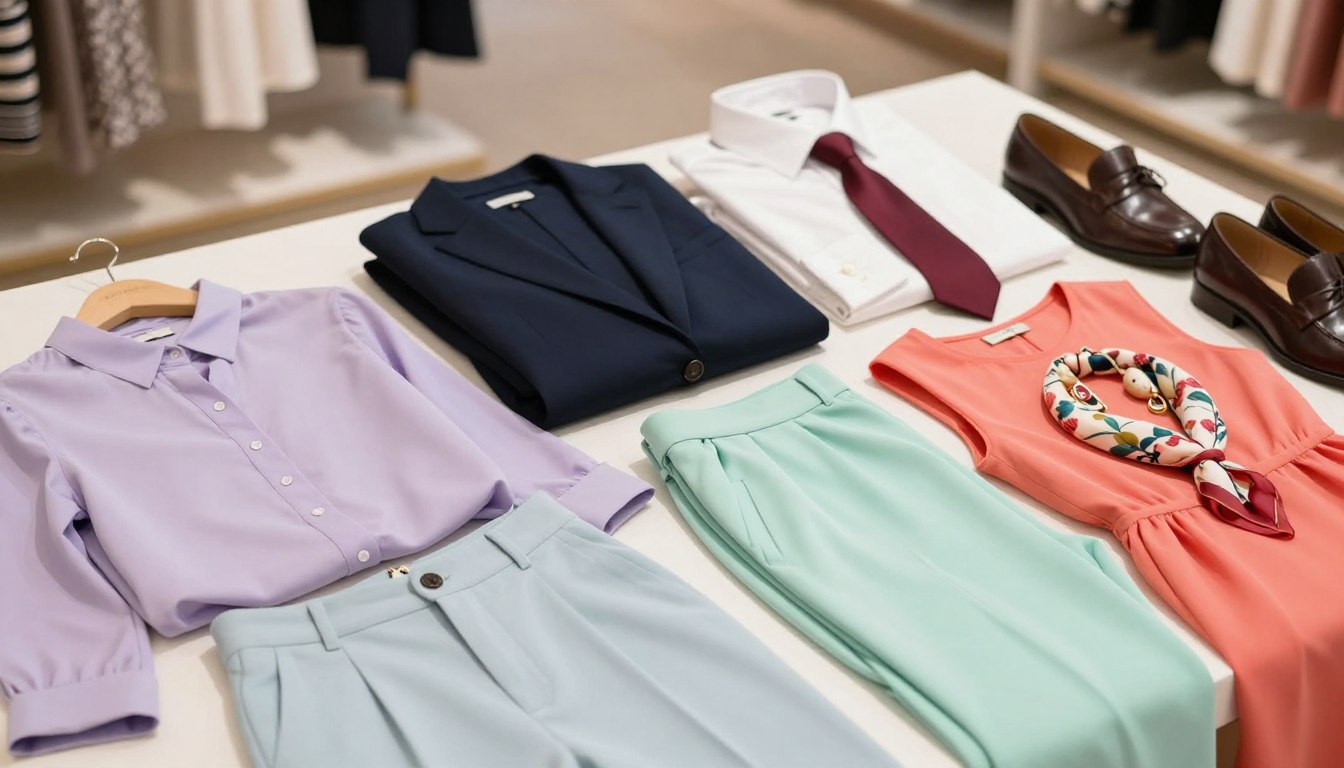
Best Color Combinations for Outfits
Coco Chanel once said, “The best color in the whole world is the one that looks good on you.” This simple truth is the heart of great fashion. Your closet holds incredible potential.
Staring at your clothes, unsure which hues work together, is a common struggle. Mastering a few key pairings changes everything. It turns simple pieces into stunning, head-turning ensembles.
Color is a silent language. It expresses your personality and mood before you speak. Whether you’re dressing for the office or a weekend outing, the right shades boost your confidence instantly.
This guide is your roadmap. We’ll move from classic theory to modern street style. You’ll learn techniques that work for every body type and personal aesthetic.
Monochromatic looks are safe. But expertly mixed palettes show true style mastery. Let’s unlock the power of your wardrobe together.
Key Takeaways
- Mastering a few core pairings can transform your entire wardrobe from basic to brilliant.
- Color is a powerful tool for non-verbal communication, influencing both your mood and the impression you make.
- Knowing which shades work together builds confidence and eliminates the daily “what to wear” stress.
- This guide covers foundational theory, trending palettes, and practical tips for all occasions.
- Learning to blend multiple hues skillfully is a mark of advanced personal style.
- The principles you’ll learn are adaptable to any body type, skin tone, or personal fashion preference.
- By the end, you’ll have the knowledge to create versatile, modern looks that feel authentically you.
Understanding Color Theory in Fashion
Color theory isn’t just for artists; it’s the key to building a confident, cohesive wardrobe. This framework helps you see which shades work in harmony. It turns guesswork into a reliable strategy for putting pieces together.
The Basics of Color Theory
Everything starts with the color wheel. It shows primary, secondary, and tertiary hues. Complementary pairs sit opposite each other, like blue and orange. They create exciting, high-contrast looks that make each shade stand out.
Analogous hues sit side-by-side, like green and blue. These create serene, naturally coordinated ensembles. Understanding warm reds and yellows versus cool blues and greens also helps. You can balance an outfit by mixing these temperatures.
How Colors Influence Your Style
The hues you wear speak volumes. A bold red projects confidence and power. Soft blues communicate calm and trust. These choices affect how others see your personal fashion sense.
More importantly, they change how you feel. Bright tones can boost your mood—think of it as dopamine dressing. Muted shades often project a sophisticated vibe. It’s a powerful two-way street.
Considering your skin’s undertone is a smart way to refine your palette. Cool undertones often shine in jewel tones like emerald or sapphire. Warm undertones look fantastic in earthy shades like terracotta or olive. Mastering this gives you a foundation for truly unique clothing choices.
Exploring Trending Color Combinations
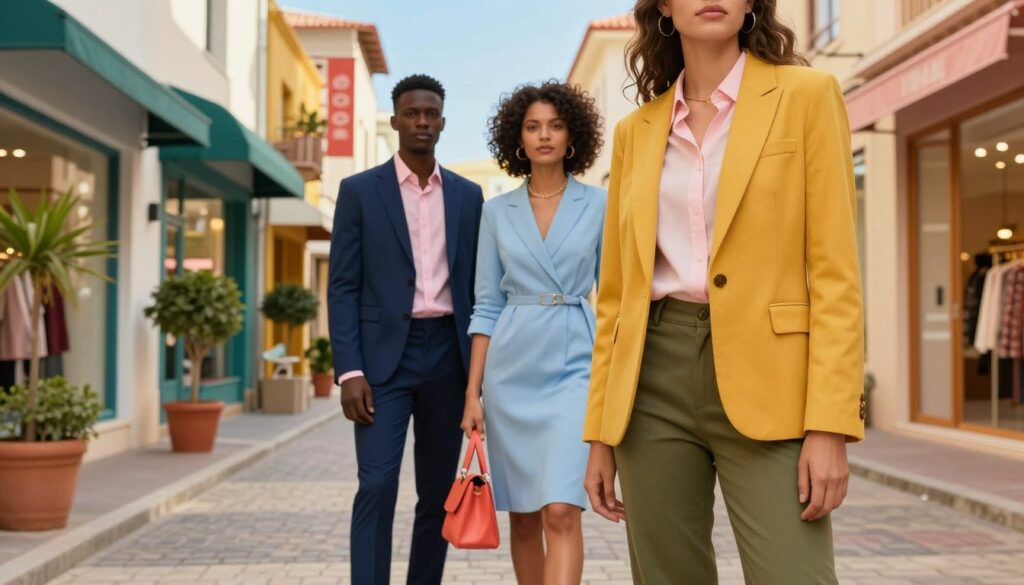
Fashion’s landscape constantly shifts, yet some hues together never lose their appeal. Knowing these reliable pairings gives you a solid style foundation. You can then experiment with modern twists for a fresh look.
Classic Pairings That Always Work
Certain combinations are timeless. Navy and white is a quintessential duo. It works for a business meeting or a weekend brunch.
A crisp white shirt with a navy blazer is a professional staple. Swap to a white tee with navy blue chinos for casual polish.
Black and white offers bold contrast and minimalist elegance. It’s versatile enough for a formal tuxedo or casual streetwear.
Earth tones like beige and olive green create a grounded, sophisticated feel. An olive jacket over beige trousers makes for effortless smart-casual style.
For a breezy, approachable vibe, try light blue and tan. This palette feels fresh and is perfect for warmer months.
| Classic Combination | Overall Vibe | Best For |
|---|---|---|
| Navy & White | Polished & Versatile | Business and casual settings |
| Black & White | Bold & Minimalist | High-contrast, timeless looks |
| Beige & Olive Green | Earthy & Sophisticated | Smart-casual, grounded aesthetics |
| Light Blue & Tan | Fresh & Breezy | Summery, semi-formal occasions |
Modern Twists on Traditional Combos
You can update these classics with contemporary touches. The denim-on-denim trend is a perfect example.
Pair a light wash jacket with darker denim jeans. This contrast keeps the look balanced and modern.
Add texture to elevate any pairing. Think a brown leather belt with a navy outfit or a linen blend in a beige piece. One statement accessory can make the ensemble uniquely yours.
Innovative “Best Color Combinations for Outfits” Ideas
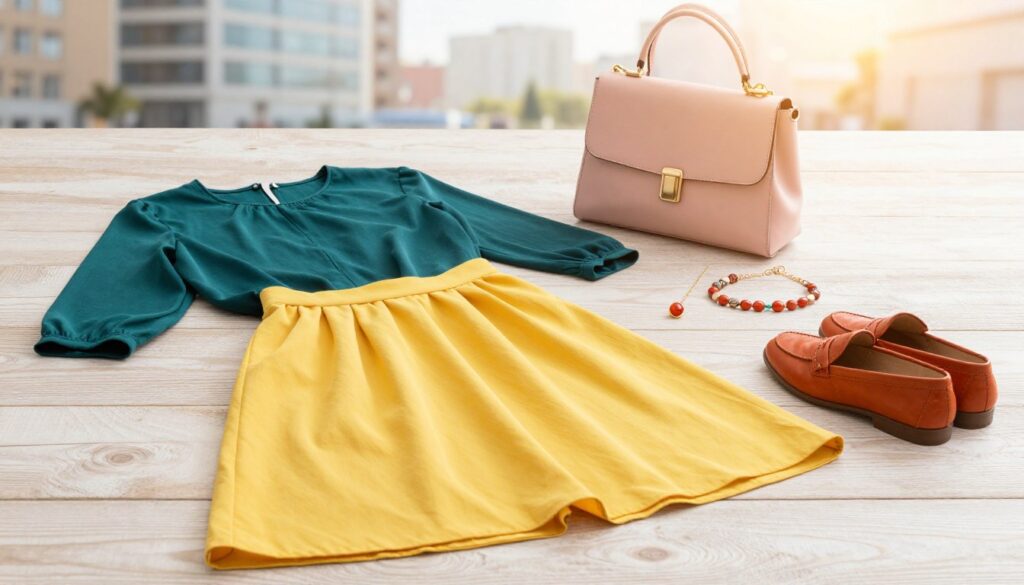
Street style is a vibrant laboratory for discovering unexpected pairings that defy traditional rules. It’s where fashion becomes personal and expressive.
Looking at urban trends reveals fresh palettes that feel both daring and wearable. These ideas can transform your daily look.
Incorporating Bold and Muted Tones
Pairing a bright hue with a softer one creates balance. Kelly green with soft pink offers floral hints. It’s elegant and modern.
A pink top with green trousers mimics a blooming rose. Similarly, a red crocheted sweater over pink metallic pants adds rich dimension. This mix proves the combination isn’t just for Valentine’s Day.
Mixing Primary Colors for Impact
Primary shades make a strong statement when paired thoughtfully. Try primary yellow with a softer pink for vibrant color blocking.
An orange vest over a blue shirt adds utilitarian warmth. For a fiery look, pair an orange top with a yellow skirt. These are bold choices that command attention.
Tips from Street Style Icons
Street style experts teach us to play with texture and proportion. A faux fur pink coat over a silk blue dress creates dreamy contrast.
Layering, like a long yellow blazer over a green skirt, elongates your silhouette. Always let one color dominate while the other supports.
| Innovative Combination | Key Vibe | Style Tip |
|---|---|---|
| Green & Pink | Elegant & Floral | Wear pink top with green bottoms |
| Pink & Red | Rich & Dimensional | Mix textures like crochet and metallic |
| Orange & Blue | Utilitarian & Warm | Use an orange vest as a key accessory |
| Purple & Green | Surprising & Memorable | Let the skirt support tones in the top |
Remember, confidence is your best accessory. Experiment with these palettes to find what feels uniquely you.
Building a Versatile Wardrobe with Color Pairings
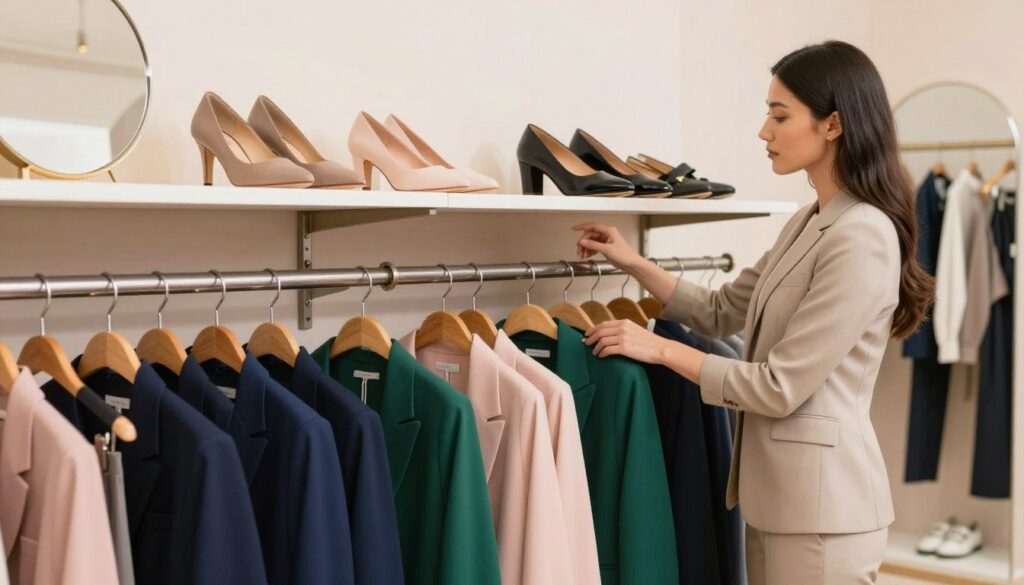
A truly versatile wardrobe hinges on mastering a few key color pairings that adapt to any occasion. This approach maximizes your clothing investment and cuts down morning decision fatigue. Your clothes should work hard, moving from casual to formal with ease.
From Casual to Formal: Adapting Combos
A navy suit is a foundational piece. For a refined formal look, pair it with a burgundy tie. For smart-casual events, try it with a crisp white shirt and brown leather shoes.
The brown and navy combination shows real sophistication. A navy blazer with brown chinos works for dinner dates. A brown sweater over navy jeans is perfect for weekend brunches.
Gray and black create a sleek, modern pairing for business casual settings. Think of a black leather jacket with a gray knit sweater. A gray blazer with black trousers suits important meetings.
Fabric choice changes the vibe of any outfit. Linen feels relaxed, wool suggests formality, and cotton offers a comfortable middle ground. The same navy and white pairing can be a fitted suit for an interview or an oversized shirt with relaxed pants for a casual Friday.
Invest in versatile neutral pieces like navy, gray, black, and beige. Then, swap in one colorful statement piece, like a burgundy blazer or olive trousers. This way, you build countless outfit combinations.
Understanding how to adapt these palettes across contexts means your wardrobe always works for you. You’ll be appropriately dressed while expressing your personal style in any way you choose.
Tips for Mixing and Matching Colors
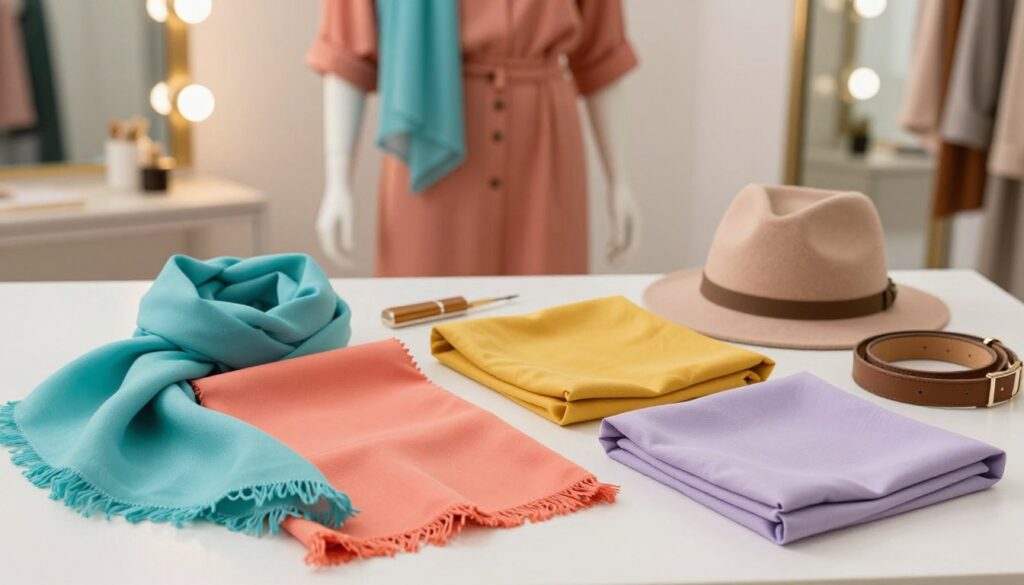
Ever wondered why some outfits look effortlessly put together while others feel off? It often comes down to color harmony. With a few practical tips, you can master this art and build ensembles that always feel right.
Avoiding Color Clashes
A simple guide is to stick to a maximum of three colors in one outfit. This rule prevents visual overload and keeps your look cohesive. Pay close attention to undertones as well.
Warm tones should pair with other warm shades. Cool shades work best together. This way, you avoid subtle clashes that can make an outfit feel uneasy.
Consider the occasion, too. Vibrant colors work for casual settings. Muted tones suit formal contexts better. When trying a bold combo, ground it with a neutral like white or gray.
This helps the colors work together without competing. If you’re unsure about a color combination, test it in natural daylight. Artificial lighting can change how colors appear.
Using the Color Wheel for Guidance
The color wheel is your best friend for foolproof pairing. Complementary color schemes use opposites for dynamic contrast. Analogous schemes use neighboring hues for harmony.
Even different shades of the same color can create depth. Try navy blue with a light blue for a sophisticated look. Olive is a versatile earth tone that bridges warm and cool palettes.
It’s one of the easiest ways to incorporate when you’re learning how colors interact. Remember, the goal is to create a balanced, intentional color story in every outfit you wear.
Seasonal Color Combinations for a Modern Wardrobe
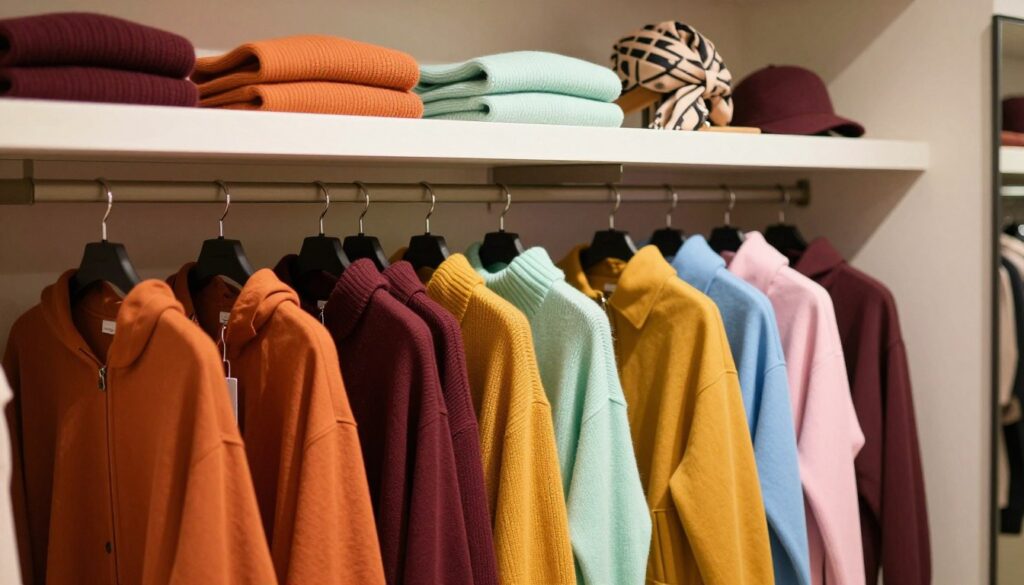
Transitioning your look from summer to fall is less about overhaul and more about strategic shade swaps. Each season brings a new mood, and your palette should reflect that shift naturally.
Summer Hues to Energize Your Look
Summer encourages bold experimentation with vibrant hues. Lighter fabrics and sunny days invite you to play with energetic pairings.
Red, white, and navy blue offer nostalgic, patriotic flair. Try a white tee with navy denim and a red cardigan for cool evenings.
Tan and teal evoke Mediterranean seas. Rich teal tops with tan chinos create striking contrast perfect for beach outings.
All-white outfits gain sophistication through texture. Linen-on-linen or seersucker fabrics add dimension without color.
Forest green and off-white provide deep contrast for dynamic looks. Off-white painter pants with a dark green top feel elegant and nature-inspired.
Maroon and mint green blend playful maturity. Mint green shorts with a maroon top keep you cool while looking stylish.
Transitioning Your Palette for Fall
As temperatures drop, incorporate richer, deeper shades of the same hues. Swap bright greens for olive and forest green.
Exchange light blues for navy. Introduce burgundy as a new statement shade for autumn.
Burnt orange and sage green work as transitional earth tones. A burnt orange shirt with sage green trousers nods to fall while remaining wearable.
Understanding these seasonal shifts helps you shop strategically. Build a modern wardrobe where summer pieces transition through layering and thoughtful shade selection.
Mastering Color Blocking Techniques
Imagine creating visual impact with clean, solid blocks of contrasting hues—that’s the power of color blocking. This technique pairs two or more bold shades in a single outfit for a striking, modern look.
It goes beyond a simple top and bottom combo. Try an orange vest over a blue shirt. This adds dynamic interest.
Layering and Texture to Elevate Your Outfit
Texture turns basic blocks into sophisticated style. Mix a crocheted knit sweater with sleek metallic pants. Pair a smooth silk blouse with textured wool trousers.
Layering is an advanced method. A long blazer in one color can cover part of a skirt in another. This elongates your silhouette.
Balancing Warm and Cool Tones
Successful combinations often balance warm and cool tones. Pairing warm orange with cool blue creates harmony. Silver jewelry complements cool shades like blue and green.
Gold accents pair with warm hues. Since blue is a primary color in making green, these two tones naturally work well together.
| Warm Tone | Cool Tone | Resulting Vibe |
|---|---|---|
| Orange | Blue | Balanced & Energetic |
| Red | Teal | Bold & Sophisticated |
| Gold Accents | Navy | Rich & Polished |
Black white pairing offers maximum contrast. It works for minimalist business looks or evening wear. Wear your bold combinations with confidence. Keep lines clean between colors for the best effect.
A Guide to Accessorizing with Complementary Tones
Your choice of jewelry and shoes is the final edit to your style story, refining the overall message. Belts, bags, and metals should complement your palette, not fight with it.
Choosing the Right Jewelry and Footwear
Start with jewelry metals. Silver-toned pieces beautifully complement cooler colors like blue and purple. Gold or rose gold pairs perfectly with warm reds and yellows.
Shoe selection is a strategic way to enhance your color story. Matching your shoes to your pants creates a streamlined, leg-lengthening effect. Contrasting shoes add visual interest.
For a refined look, brown leather accessories are a sophisticated addition to a navy suit. A crisp white shirt completes this timeless pairing.
When wearing a bold green top or vibrant shirt, keep accessories neutral. Tan, black, or white prevents the ensemble from feeling overwhelming. This lets your statement color shine.
Don’t forget your belt. Matching it to your shoes creates polish. The way you accessorize should reflect the formality. Minimalist pieces suit a professional blazer. A statement necklace can elevate a casual dress.
Conclusion
Mastering the art of pairing shades transforms daily dressing from a chore into a creative act. It builds a wardrobe where every piece works together, saving you time each morning.
Color combinations aren’t about rigid rules. They’re about finding pairings that express your unique personality. Choose what makes you feel like your best self.
Don’t be afraid to experiment. Some of the most stunning ensembles come from unexpected mixes. These choices create unforgettable style moments.
Start with the classic pairings as your foundation. Gradually introduce bolder hues as your confidence grows. Your closet will become endlessly versatile.
Remember, your style journey is uniquely yours. Use these ideas as inspiration to build wardrobes filled with pieces you genuinely love to wear.
FAQ
What are some classic pairings that always look stylish?
How can I use a color wheel to improve my clothing choices?
What are good color combinations for summer outfits?
Can I mix bold and muted tones in one outfit?
How do I transition my color palette from summer to fall?
What’s the key to successful color blocking?

Adam Peter is a finance, travel, and automotive writer with over a decade of experience. He creates clear, practical content to help readers manage their money, explore the world with confidence, and make informed decisions about cars and travel gear. His work blends expert insight with real-world usefulness.