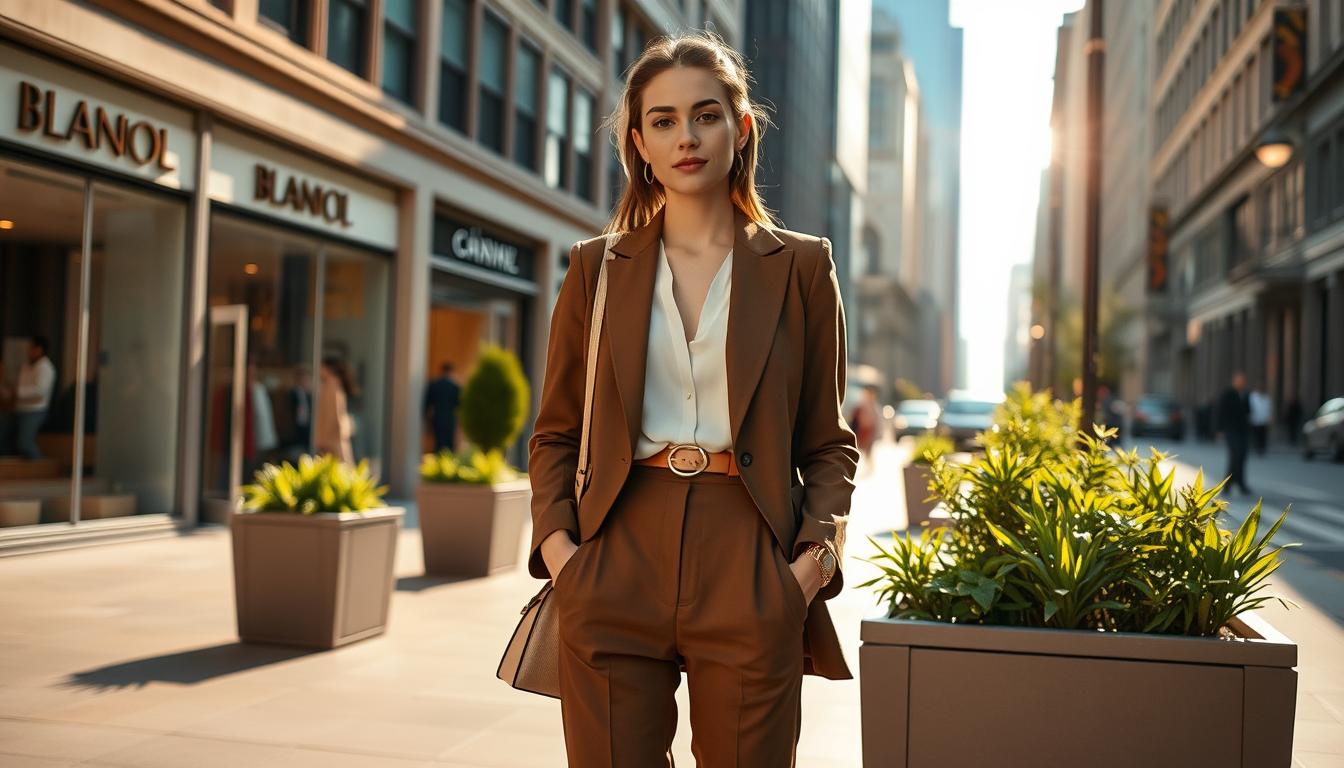
Best Fashion Tips for Petite Women: Expert Advice
Did you know that over 50% of American women are 5’4″ or shorter? That’s millions of people navigating a world where clothing often seems designed for taller frames. If you’re among this group, you’ve likely faced the frustration of sleeves that drag and hemlines that overwhelm.
This guide welcomes you to a fresh approach to dressing your frame. We’ve gathered wisdom from top stylists and fashion experts who truly understand petite proportions. Their advice focuses on practical solutions you can use right away.
The goal isn’t to follow strict rules. Instead, it’s about learning how proportions, fit, and clever styling can work for you. With the right knowledge, you can wear virtually any look you love.
From maxi dresses to wide-leg trousers, nothing is off-limits. You’ll discover how to create vertical lines, choose perfect hemlines, and select accessories that complement your frame. We’ll share both quick styling shortcuts and investment pieces worth tailoring.
Most importantly, this is about turning perceived limitations into fashion advantages. Your height is an opportunity to showcase unique personality and flair.
Key Takeaways
- Over half of American women are 5’4″ or shorter, facing common clothing fit challenges
- Expert advice focuses on practical, immediate solutions for petite frames
- Understanding proportions and fit is more valuable than following rigid rules
- Virtually any style can work with the right styling techniques
- Creating vertical lines and proper hemlines enhances your natural silhouette
- Both quick fixes and tailored investment pieces have their place
- Your height can be a unique fashion advantage when styled correctly
Understanding Petite Fashion Challenges
Many assume ‘petite’ refers to a small body frame, but in the fashion industry, it’s strictly about height. This classification specifically applies to women who are 5’4″ or under. It’s a measurement, not a comment on body shape or weight.
Defining ‘Petite’ in the Fashion World
Petite sizes are engineered with adjusted proportions. Designers raise waistlines and shorten sleeves. They also scale down details like collars and pockets. This ensures everything is in harmony with a shorter frame.
Standard clothes are cut for a taller build. This leads to common fit issues. Sleeves often drag past the wrists. Jacket hems can hit at an awkward spot on the hips.
| Feature | Standard Clothing | Petite Clothing |
|---|---|---|
| Inseam Length | Designed for longer legs | Shorter, proportionate cut |
| Waistline Placement | Lower on the torso | Higher to elongate legs |
| Sleeve Length | Longer armhole to cuff | Reduced length for fit |
| Design Details (Pockets) | Larger scale | Smaller, balanced size |
Common Style Pitfalls for Shorter Women
One major hurdle is oversized clothing. Baggy sweaters and wide-leg pants can overwhelm a smaller frame. They hide your natural shape instead of highlighting it.
Low-rise waistlines are another challenge. They visually cut the body in half, making legs appear shorter. Accessories that are too large can also throw off your entire look.
Understanding these challenges is the first step. It empowers you to choose pieces that work with your proportions. This turns a potential limitation into a styling advantage.
Why Proportions Matter for Petite Women
The secret to looking effortlessly put-together when you’re shorter lies in understanding how to work with visual proportions. Getting this right creates harmony between your body and clothing.
Our eyes naturally divide the body into sections. Strategic styling can manipulate these visual divisions. This creates a more elongated silhouette.
Think about the rule of thirds instead of halves. Dividing your body visually into thirds creates a more flattering appearance. It makes you look taller and more balanced.
Proper proportions prevent clothing from overwhelming your frame. Garments should enhance your natural shape rather than hiding it. This knowledge helps you make smarter shopping decisions.
Understanding proportions affects everything from jacket length to dress hemlines. It’s essential for building a functional wardrobe. Mastering this allows petite women to experiment with trends while maintaining a flattering fit.
When you control where the eye focuses, you control the entire look. Raising a waistline or creating vertical lines dramatically changes perceived body proportions. This turns styling challenges into creative opportunities.
Best Fashion Tips for Petite Women – Styling with Vertical Lines
One of the most effective styling secrets for shorter frames involves working with directional elements. Vertical lines create an elongating effect that guides the eye upward.
Creating the Illusion of Height
Vertical stripes naturally draw attention up and down rather than side to side. This optical trick is perfect for making appear taller without any complex styling.
Look for garments with thin vertical stripes rather than wide patterns. Thin lines create continuous flow while wide stripes can overwhelm a smaller frame.
Beyond traditional stripes, consider other vertical design elements. Seams, pleats, and button rows all contribute to the lengthening illusion.
| Vertical Element | Garment Examples | Styling Benefit |
|---|---|---|
| Stripes | Shirts, dresses, trousers | Creates continuous visual line |
| Seams | Dresses, jumpsuits, pants | Defines silhouette without bulk |
| Pleats | Skirts, blouses, trousers | Adds movement and length |
| Button Rows | Cardigans, dresses, coats | Draws eye vertically |
Dresses and jumpsuits with vertical stripes work exceptionally well. They create an unbroken line from shoulders to hem.
Pair vertically striped tops with solid-colored bottoms. This maintains the elongating effect without visual overload. For petite individuals, this approach maximizes perceived height.
Remember that subtle vertical details often work better than bold patterns. The goal is gentle guidance for the eye rather than dramatic statements.
Optimizing Your Wardrobe with High-Waisted Trends
When building a wardrobe that flatters a shorter frame, few pieces offer as much impact as well-chosen bottoms. The right pair can completely transform your silhouette, making this a key area for strategic shopping.
The Power of High-Waisted Jeans and Bottoms
High-waisted styles are absolute essentials. They dramatically alter body proportions by raising the visual waistline. This simple change creates the illusion of longer legs and a more balanced figure.
Fashion expert Shloka Narang Sensarma confirms their value.
“I always prefer high-waisted pairs as they help to elongate my silhouette.”
Conversely, low-rise or mid-rise jeans that sit below the belly button can have a shortening effect. They visually cut the body and can overwhelm a smaller frame.
For the best results, tuck in your top to accentuate the high waistline. This maximizes the leg-lengthening effect. Cropped tops or neatly tucked blouses work wonderfully.
It’s crucial to find a proper fit around your natural waist. Too tight can create discomfort, while too loose adds unnecessary bulk. Look for styles that feel secure but comfortable.
Invest in high-waisted trousers and jeans in various cuts. Straight-leg, wide-leg, and tapered styles offer versatility while maintaining flattering proportions.
Brands like Marks and Spencer, Abercrombie, and Reformation offer petite-specific denim with shorter inseams. This makes finding the perfect pair of jeans much easier, often eliminating the need for hemming.
Embracing Tailored Blazers and Structured Looks
The right blazer acts like architectural support for your entire silhouette. It provides the structure that shorter frames often need to look polished and proportionate.
Fashion expert Shloka Narang Sensarma emphasizes the importance of waist definition.
“I love to highlight my waist, and when I’m wearing something structured like a blazer, I look for styles that are cinched at the waist. Not only does it elevate the look, but also flatters my shape!”
How Tailoring Enhances Your Silhouette
While oversized blazers dominate trends, they often overwhelm smaller proportions. Excessive fabric and extended shoulder pads can make you disappear in your clothing.
Instead, seek fitted blazers that create an hourglass shape. This powerful silhouette makes as much impact as any oversized style. Cropped blazers ending at your waist or hips work particularly well.
| Blazer Type | Best For | Styling Tip |
|---|---|---|
| Cropped Blazer | High-waisted bottoms | Creatces clean proportion lines |
| Waist-Cinched | Defining shape | Use built-in belt or add one |
| Fitted Shoulder | Professional settings | Pads should not extend beyond natural shoulder |
Brands like Aligne, Zara, and Norma Kamali offer excellent waist-defining options. Their blazers provide the perfect fit for a petite frame without overwhelming it.
Remember that proper shoulder fit is crucial. Shoulder pads that extend beyond your natural line make the entire garment look too large. A well-tailored blazer works for both casual and professional settings.
Ditching Heels: Alternatives for Everyday Comfort
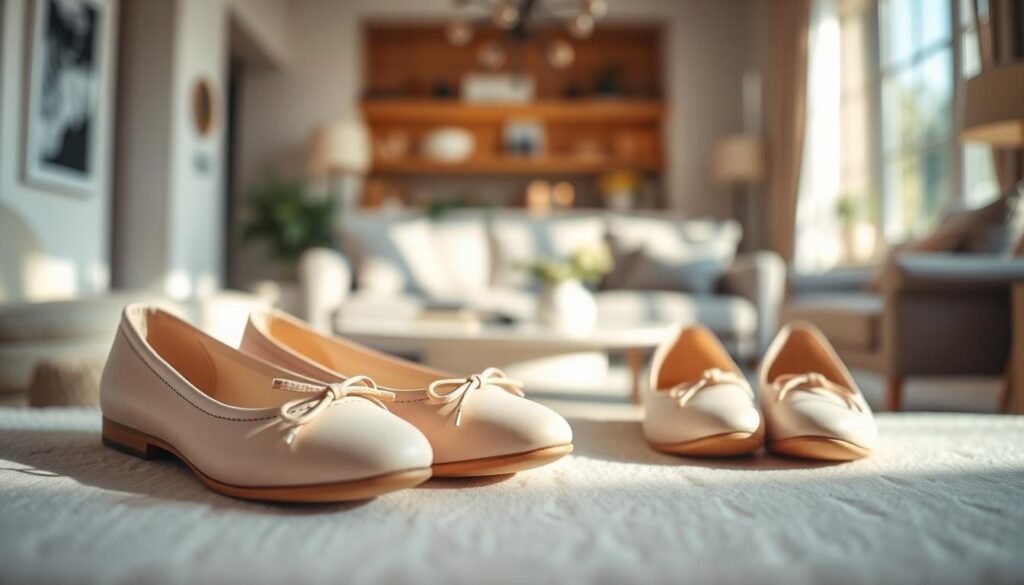
Moving beyond traditional height-boosting options opens up a world of comfortable yet sophisticated alternatives. The notion that shorter frames must always rely on heels is outdated and limiting.
Fashion expert Shloka Narang Sensarma shares her personal evolution:
“I used to rely on heels a lot but as a new mom, flats are my new go-to! I’ve learnt that the right style of flat shoes can still have the same effect on your look, and for me, ballet flats always look polished.”
Choosing Chic Ballet Flats and Loafers
Recent years have seen a dramatic shift away from platform heels toward elegant flat options. Designers like Miu Miu and Prada have championed the return of sophisticated ballet flats.
These comfortable shoes now serve as the dressy choice for stylish women prioritizing both comfort and elongation. The right flat can create the same lengthening effect as some heels.
| Shoe Type | Elongating Feature | Style Recommendation |
|---|---|---|
| Ballet Flats | Creates clean foot line | Le Specs or COS buckled styles |
| Pointed-Toe Flats | Extends leg visually | Alaïa fishnet designs |
| Loafers with Lift | Subtle height increase | Nude-colored options |
For petite individuals, pointed-toe styles offer superior elongation compared to round-toe designs. Matching shoes to your skin tone or pants color creates a seamless line that makes legs appear longer.
This approach proves that comfort and sophisticated style can coexist beautifully for any frame.
The Versatility of a Great Belt in Petite Styling
Sometimes the smallest accessory makes the biggest impact on your overall silhouette. Fashion expert Shloka Narang Sensarma perfectly captures this concept, noting
“A good belt is a petite girls best friend. I have a small collection in different colours and finishes for different vibes.”
This simple accessory solves multiple styling challenges effortlessly. It can hold up slightly long trousers at your natural waistline. A belt also transforms oversized dresses by cinching them perfectly.
Tips for Cinching the Waistline Perfectly
Waist definition creates clear body proportions that prevent clothing from overwhelming smaller frames. Belts establish this definition instantly, turning shapeless outfits into structured looks.
Build a versatile collection with different finishes. Leather, metal, and fabric belts each create distinct vibes. Specific options like Massimo Dutti’s studded leather belt or COS’s leather rope belt offer varied styling possibilities.
| Belt Type | Styling Function | Frame-Friendly Feature |
|---|---|---|
| Thin Leather Belt | Defines waist without bulk | Proportional scale for smaller frames |
| Rope or Fabric Belt | Softens structured outfits | Flexible fit adapts to different garments |
| Metallic Buckle Belt | Adds polished accent | Draws eye to waistline strategically |
Choose thinner belts that complement rather than overpower your frame. Color coordination maintains a cohesive look while strategically breaking up monochromatic outfits.
Pair belts with high-waisted bottoms to maximize the leg-lengthening effect. This combination creates the most flattering proportions for any occasion.
Completing the Look with Classic Accessories
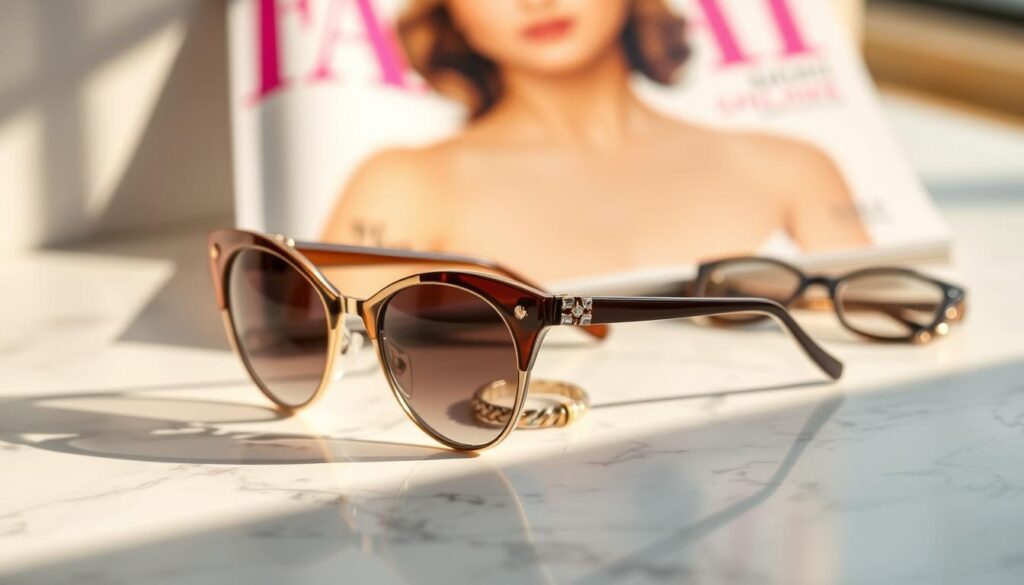
The finishing touches of any outfit often come down to the accessories you choose. For a smaller frame, these details require thoughtful selection. The right pieces enhance your style without overwhelming your proportions.
Expert Shloka Narang Sensarma highlights the challenge:
“Finding the right pair of sunglasses when you’re petite is much more challenging than it sounds! My go-to pair are from Le Specs and are called Outta Love, they’re the perfect oval frame.”
She owns them in three colors for their universal appeal. This demonstrates how classic shapes work better than oversized trends.
Selecting Proportionate Sunglasses and Jewelry
Oversized sunglasses can slide down and look comically large. Instead, opt for timeless oval frames. Brands like Linda Farrow and Mango offer excellent options.
The same principle applies to jewelry. Delicate, proportionate pieces complement a petite frame beautifully. Chunky statement necklaces can overpower your features.
Choose smaller-scale prints and patterns for scarves. Lighter, less bulky fabrics add style without volume.
Balancing Your Look with the Right Handbag
Your handbag should match your scale. Oversized totes can visually overwhelm your silhouette. Smaller to medium sizes create a more harmonious look.
A statement piece is still achievable. Just make it the focal point of your outfit. Balance it with more subdued accessories elsewhere.
This approach ensures every detail works together. It creates a polished and proportionate final look.
Experimenting with Colour Blocking Techniques
Color blocking offers a surprisingly powerful way to create visual impact for smaller frames. This technique uses strategic color placement to accentuate your best features and create clear body proportions.
Try adding a vibrant contrasting color to a neutral outfit. A bright sweater with black jeans and blazer draws attention to your torso. This creates a flattering focal point.
The 70/30 rule works beautifully for this approach. Use 70% neutral pieces and 30% bold color. This balance keeps your look grounded yet expressive.
Color blocking defines the waist area when contrasting colors meet there. This creates natural body divisions that flatter petite proportions. The visual separation has an elongating effect.
Experiment with complementary colors for maximum impact. Or try analogous colors for a more subtle approach. H&M’s butter yellow jumper or Zara’s lime green sweater make excellent choices.
This technique adds personality while maintaining proportional harmony. It’s a creative way to enhance your silhouette through strategic color placement.
Monochrome Magic for a Sleek Silhouette
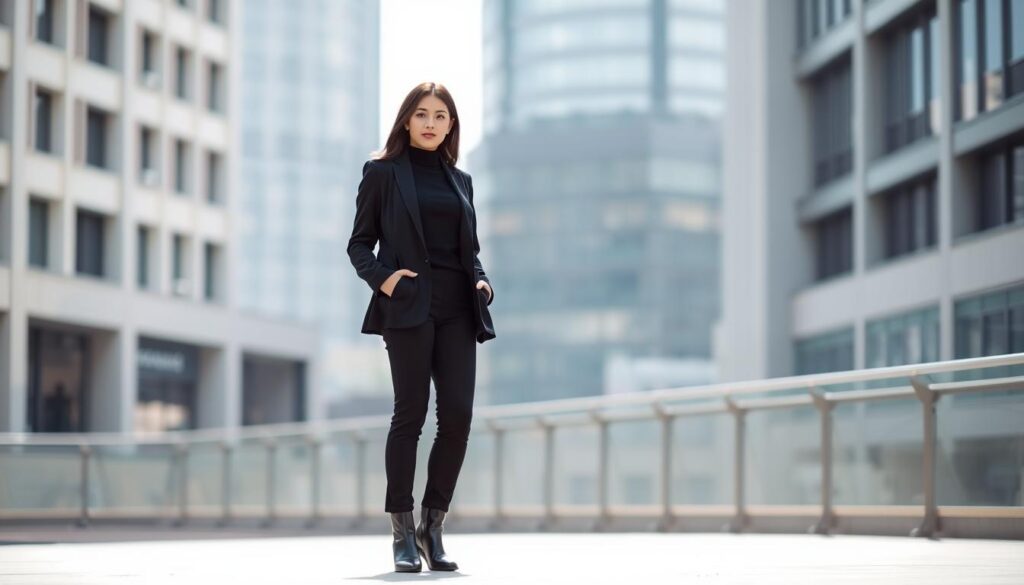
One surprisingly simple styling technique creates a powerful elongating effect for shorter frames. Dressing in a single color from head to toe creates an unbroken vertical line that streamlines your entire silhouette. This approach helps you appear taller by eliminating visual breaks that can shorten your frame.
Monochromatic outfits work beautifully for various occasions. Consider an all-black suit for professional settings or a navy dress for elegant evenings. A green coordinated set creates a stylish casual look, while an all-white ensemble makes a fresh summer statement.
Choosing Shades That Elongate
You can add dimension without breaking the vertical line. Try different tones within the same color family. Light blue to navy or cream to chocolate creates visual interest while maintaining elongation.
Texture mixing adds sophistication to your monochrome look. Pair a silk blouse with wool trousers in matching colors. This creates depth while keeping the streamlined effect intact.
| Monochrome Approach | Color Example | Styling Benefit |
|---|---|---|
| Neutral Tones | Black, navy, beige | Naturally slimming and elongating |
| Tonal Variation | Light to dark blue | Adds dimension without breaking line |
| Texture Mixing | Silk with wool | Creates visual interest |
If bold monochrome feels intimidating, start with neutral tones. These colors are naturally flattering for a petite frame. Matching your shoes to your outfit extends the unbroken line for maximum elongation.
Playing with Patterns: Vertical Stripes and Small Prints
When it comes to prints and patterns, size matters more than you might think for achieving balanced proportions. Oversized designs can easily overwhelm a smaller frame, while appropriately scaled patterns add personality without dominating your silhouette.
Focus on smaller-scale options like micro-florals, delicate polka dots, or fine geometric prints. These patterns complement rather than compete with your natural proportions. They add visual interest without creating the fragmentation that can shorten your appearance.
Balancing Bold Patterns with Subtle Accents
Vertical stripes remain a powerful choice for creating elongation. They guide the eye upward and reinforce height-enhancing effects. Thin lines work better than wide stripes for maintaining proportional harmony.
If you choose a bolder pattern, balance it with solid colors elsewhere in your outfit. Pair a printed top with neutral bottoms, or vice versa. This prevents visual clutter and keeps the focus where you want it.
Even larger prints can work when used strategically in a single statement piece. The key is maintaining balance throughout your entire style approach. Stick to one patterned item per outfit to avoid overwhelming your petite frame.
Dressing for Your Body Shape and Proportions
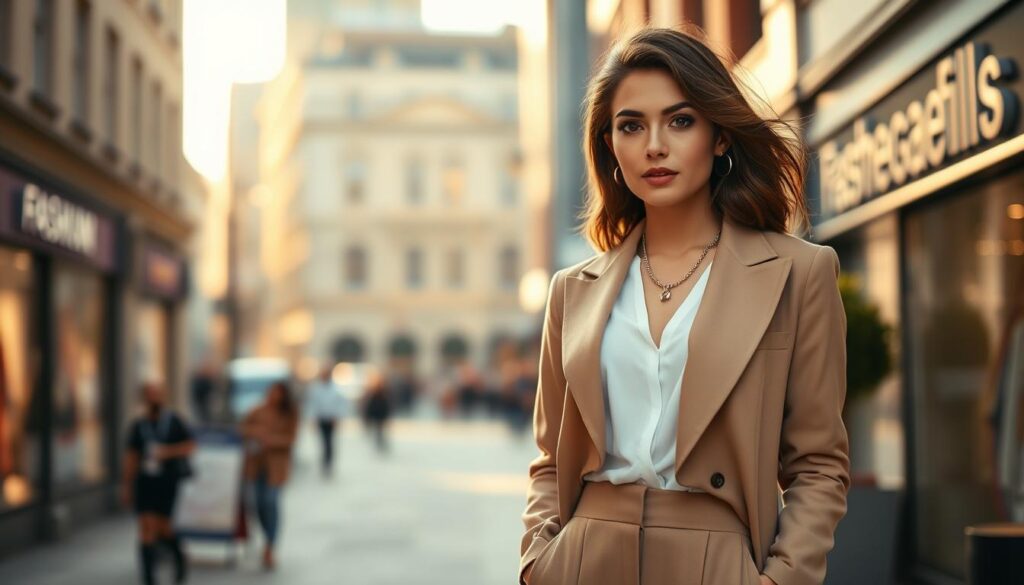
Understanding your unique body shape is just as important as knowing your height when building a petite wardrobe. While all petite women share similar height challenges, individual contours require customized solutions.
Four common body types benefit from specific styling approaches. Each shape responds differently to various cuts and silhouettes.
Guidance for Pear, Apple, Hourglass, and Rectangle Shapes
Pear-shaped individuals carry weight in hips and thighs. Balance becomes essential with A-line skirts and dresses that skim the lower body. Eye-catching tops draw attention upward for harmonious proportions.
Apple-shaped frames often have fuller midsections. Flowy tops that drape over the waist create definition. High-rise bottoms and V-necklines elongate the torso effectively.
Hourglass figures celebrate natural curves through waist emphasis. Wrap dresses and belted jumpsuits showcase balanced proportions beautifully. Proper fit prevents overwhelming your frame.
Rectangle shapes benefit from curve-creating details. Ruching, peplum tops, and strategic belting add dimension. This approach enhances your natural silhouette through clever styling.
Remember that these style principles work within petite parameters. The same woman might combine several shaping techniques for optimal results.
Leveraging Wrap Dresses for a Flattering Look
The wrap dress has earned its reputation as a go-to choice for those with petite proportions. This versatile style offers multiple benefits that work beautifully for shorter frames.
Wrap dresses cinch at the waist, creating definition exactly where you need it. The adjustable tie allows you to customize the fit to your exact proportions. This ensures the waistline hits at the most flattering point.
Both mini and midi lengths work well for a petite woman. The key is proper proportion and waist emphasis. The V-neckline creates vertical lines that draw the eye upward. This adds the illusion of height while elongating the neck and torso.
These dresses create a balanced silhouette that skims over hips gracefully. They work for various body shapes within the petite category. The design flatters curves without overwhelming smaller frames.
Pair your wrap dress with pointed-toe flats for a polished look. Add a structured blazer for professional settings. The versatility makes these dresses reliable options for many occasions.
Invest in a few well-made wrap dresses in different fabrics. You’ll have flattering, proportionate options ready for any event.
Layering Smartly: Neutrals and Textural Contrasts
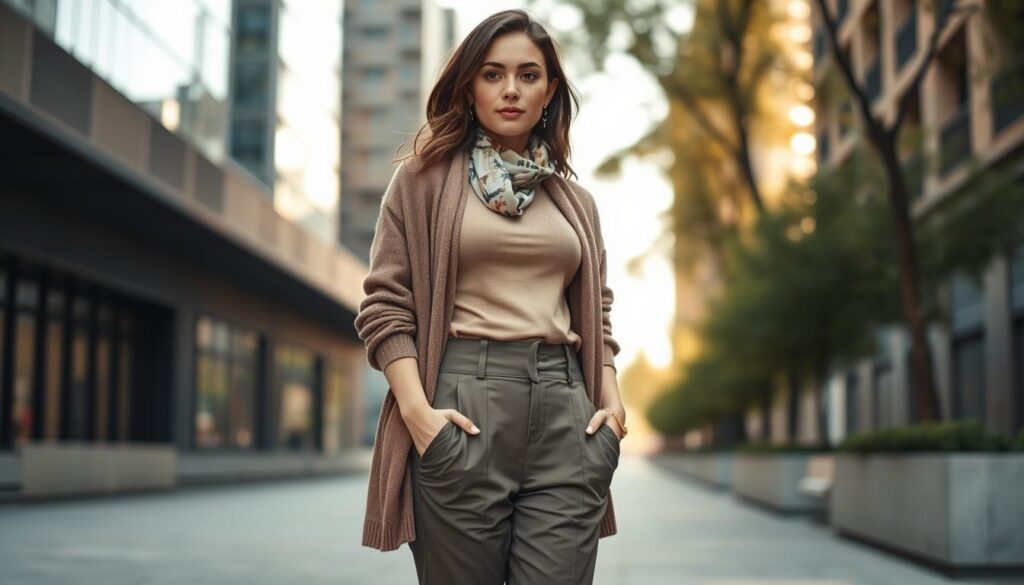
Strategic layering techniques offer petite individuals the perfect balance of warmth and style. The key lies in choosing pieces that enhance rather than overwhelm your frame. Proper layering adds dimension while maintaining clean proportions.
Using Lightweight Fabrics and Fitted Layers
Start with thin materials closest to your body. A fitted tank or slim tee creates a smooth base. Add progressively thicker layers while ensuring each complements the next.
Choose lightweight fabrics like chiffon, silk, or fine cotton. These materials drape elegantly without adding bulk. Even in colder months, these fabrics maintain a streamlined silhouette.
A well-fitted cardigan works wonders for creating vertical lines. Keep longer layers above the knee to avoid shortening your legs. Open cardigans and vests create elongation without overwhelming your frame.
Heavy, bulky fabrics can make you appear broader. Instead, opt for flowing materials that move with your body. This approach keeps your outfits proportionate and polished.
Coordinate colors within the same tonal family. This maintains the elongating effect of monochrome dressing. Textural contrasts add interest while keeping the look cohesive.
Master the Art of Tailoring for a Perfect Fit
Professional tailoring is the unsung hero of a polished wardrobe, especially for those with unique proportions. Off-the-rack clothes are designed for average heights, making alterations essential for achieving ideal fit.
Common adjustments transform standard garments into custom pieces. Hemming pants and skirts creates the right length for your frame. Sleeve shortening and shoulder adjustments ensure tops fit perfectly.
| Adjustment Type | Garment Examples | Proportional Benefit |
|---|---|---|
| Hemming | Pants, skirts, dresses | Creates ideal length |
| Sleeve Shortening | Blouses, jackets, coats | Proper arm proportion |
| Waist Taking | Dresses, trousers | Eliminates excess bulk |
| Shoulder Adjustment | Blazers, tops | Better frame definition |
While tailoring costs can add up, the transformation in how clothes look justifies the investment. Building relationships with a reliable tailor ensures consistent quality adjustments.
Even casual pieces like t-shirts benefit from proper fit. Learning basic alterations yourself can save money on simple adjustments. Leave complex changes to professionals for best results.
Some retailers now offer free hemming services. This makes achieving perfect length easier without additional expense. Tailored garments look custom-made, enhancing natural shape and creating polished styling.
Conclusion
Your journey to building a wardrobe that truly celebrates your proportions begins with understanding that height is an advantage, not a limitation. The right approach to dressing focuses on smart strategies rather than restrictive rules.
From creating vertical lines to choosing proportionate accessories, these expert tips empower you to dress confidently. A well-chosen belt can be your best friend, while monochrome outfits create sleek silhouettes. Understanding your body shape alongside your petite stature allows for targeted, flattering choices.
Remember that comfort and confidence go hand in hand. Whether embracing ballet flats or experimenting with color blocking, the goal is finding what makes you feel amazing. With these styling techniques, you can wear virtually any look you love while highlighting your natural frame beautifully.
FAQ
What does ‘petite’ really mean in clothing sizes?
How can I make my legs look longer?
Are maxi dresses and skirts a good choice for a petite frame?
What’s the best way to wear a blazer or cardigan?
Can I wear patterns and color blocking?
How important is tailoring for my clothes?
What accessories work best?

Adam Peter is a finance, travel, and automotive writer with over a decade of experience. He creates clear, practical content to help readers manage their money, explore the world with confidence, and make informed decisions about cars and travel gear. His work blends expert insight with real-world usefulness.