How to Build a Sustainable Wardrobe: A Beginner’s Guide
The average American throws away about 81 pounds of clothing each year. That staggering number can make anyone feel a pang of guilt when opening their closet. If you’ve ever stared at your clothes, feeling confused about how to make better choices, you’re not alone.
Many people want their fashion to reflect a love for the planet. But they worry it means sacrificing personal style. The good news? Creating a thoughtful wardrobe is not about giving up what you love. It’s about a new way of thinking.
This journey is one of the most rewarding style transformations you can experience. It focuses on intention, not deprivation. Every small step you take is a positive move toward a greener lifestyle.
This guide breaks the process into simple, manageable steps. We provide practical tips from experts to help you build a closet that truly reflects your values and your unique identity. It’s about progress, not perfection.
Key Takeaways
- Sustainable fashion allows you to express your personal style while making eco-friendly choices.
- Every small step towards a greener wardrobe is a significant and positive change.
- The focus is on mindful intention rather than sacrifice or deprivation.
- Building a sustainable closet is a rewarding journey of personal style transformation.
- This guide offers an accessible, step-by-step roadmap to make the transition easier.
- The goal is progress, aligning your shopping habits with your values for the planet.
Understanding Sustainable Wardrobe Fundamentals
Clothing waste has reached epidemic proportions, with millions of garments ending their journey in trash heaps annually. Research shows 300,000 tonnes of unwanted clothes get binned instead of recycled each year. This staggering waste highlights the urgent need for change in our approach to clothing.
Defining Sustainable Fashion and Its Impact
Sustainable fashion considers environmental and social impacts throughout a garment’s entire lifecycle. It challenges the traditional linear production model that dominates the fashion industry. This approach addresses pollution, resource depletion, and unfair labor practices.
The conventional fashion industry leaves a heavy environmental footprint. It consumes massive water resources and generates chemical pollution. Textile waste accumulates in landfills, affecting our planet for generations.
Benefits of Shifting Away from Fast Fashion
Moving beyond fast fashion offers significant advantages. It reduces environmental impact and supports better working conditions. Consumers develop more intentional relationships with their clothing over time.
| Aspect | Fast Fashion | Sustainable Fashion |
|---|---|---|
| Production Cycle | Linear (make-use-dispose) | Circular (minimize waste) |
| Environmental Impact | High waste, high emissions | Reduced footprint |
| Garment Lifespan | Short-term use | Long-lasting quality |
| Social Responsibility | Often questionable | Fair wages emphasized |
The circular economy concept provides an alternative to wasteful practices. It maximizes resource use and challenges disposable culture. Understanding these fundamentals empowers consumers to make choices that benefit both people and the environment.
How to Build a Sustainable Wardrobe

The journey toward conscious clothing choices begins with a simple but powerful step: knowing what’s already in your closet. This foundation helps you make smarter decisions about future additions.
Assessing Your Current Wardrobe and Style
Start by taking everything out of your closet. Lay each piece on your bed or floor. This visual inventory reveals what you truly own versus what you actually wear.
Ask yourself these key questions during the process:
- Which items do I reach for most often?
- What pieces can be repaired or altered?
- Which clothes could be styled differently?
- What needs to find a new home?
Most people wear about 20% of their wardrobe regularly. Understanding your actual habits helps identify your true personal style.
Establishing Your Sustainable Goals
After assessing your current collection, set realistic objectives. Your goals should match your lifestyle and values.
Consider committing to one of these approaches:
- Shop only secondhand for the next year
- Invest in one quality piece each season
- Follow a “one in, one out” policy
Remember that creating a thoughtful collection takes time. Small, consistent steps lead to lasting change. Your personalized plan will evolve as you learn what works best for you.
Researching and Selecting Ethical Fashion Brands

Your purchasing decisions can reshape the fashion industry when you prioritize ethical research. This process helps you identify which brands genuinely prioritize sustainability versus those engaging in greenwashing.
Amy Powney from Mother of Pearl emphasizes this approach:
“I always suggest doing a bit of research and asking questions if you’re uncertain. Social media is such an easy way to speak quickly and directly to brands.”
Evaluating Brand Transparency and Certifications
Look for companies that openly share their supply chain details. Transparent brands make their practices easy to find. If credentials are hard to locate, the company likely isn’t as eco-friendly as claimed.
Key certifications provide third-party verification. Look for Fair Trade, GOTS for organic cotton, B Corp, and Bluesign. These indicate verified ethical and environmental practices.
Identifying Sustainable Fabrics and Production Methods
Understanding fabrics is crucial for making informed choices. Organic cotton, linen, hemp, and recycled materials create less environmental impact. They require fewer chemicals and less water.
Production methods matter greatly. Fair wages and safe working conditions are essential. Low-impact dyes and water conservation practices show genuine commitment.
As sustainability advocate Liz notes, supporting brands making real efforts creates change. Every step toward better fabrics and practices counts. Your questions and demands push the industry toward ethical operations.
Tips for Long-lasting, Versatile Wardrobe Pieces
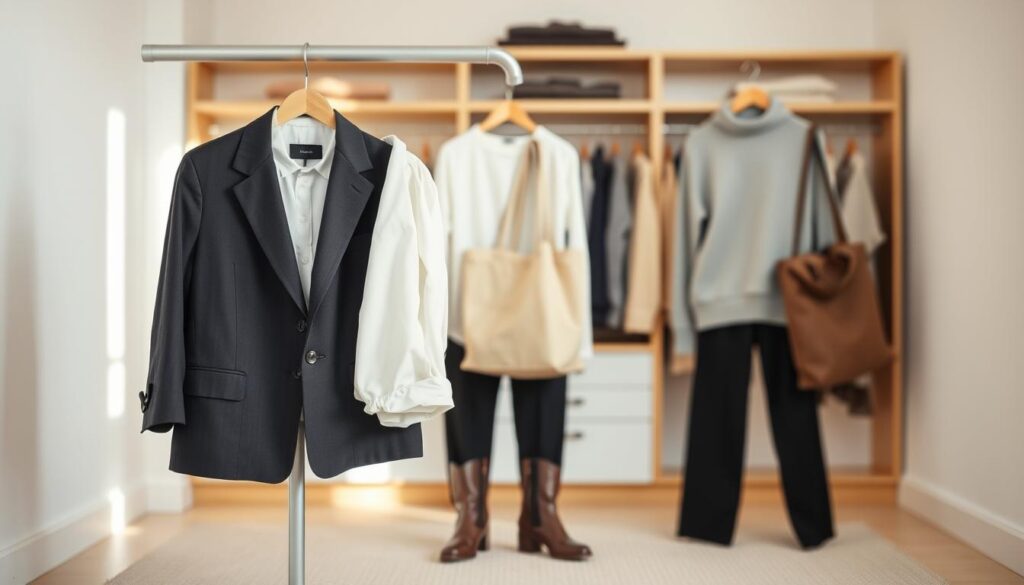
Prioritizing longevity over fleeting trends is the cornerstone of a truly valuable collection of clothes. This approach champions well-made pieces that serve you for years, not just a season.
Designer Vivienne Westwood famously advised, “Buy less, choose well.” This simple principle transforms your entire approach to fashion. You start seeking out clothing that feels great and offers multiple styling options.
Investing in Quality Over Quantity
Think of your purchases as long-term investments. Spending more money upfront on a single, high-quality piece often saves you money over time. Cheap items fall apart quickly, while well-constructed ones endure.
Audrey from M.M. brand shares this mindset.
“I’ve always preferred one quality piece over five cheaply made ones. I enjoy styling that one item in different ways. It’s more valuable than a closet full of disposable fashion.”
So, what makes clothing high-quality? Look for reinforced seams, durable fabrics like thick cotton or wool, and sturdy hardware like zippers and buttons. These details ensure pieces keep their shape and appearance.
Focus on versatile pieces that work for many occasions. A classic blazer, a great pair of jeans, or a simple dress can be dressed up or down. Choosing timeless styles over high-trend items ensures your wardrobe remains relevant.
| Feature | Quality Garment | Fast Fashion Item |
|---|---|---|
| Fabric Weight & Feel | Substantial, durable material | Thin, often sheer or prone to pilling |
| Stitching | Reinforced seams, even stitches | Loose threads, weak seams |
| Versatility | Classic design, multiple uses | Trend-focused, limited styling |
| Cost-Per-Wear | Decreases significantly over time | Remains high due to short lifespan |
Shift your budget towards everyday essentials. Investing in foundational pieces you wear constantly builds a resilient and stylish wardrobe that truly reflects your values.
Adopting a Conscious Shopping and Maintenance Routine
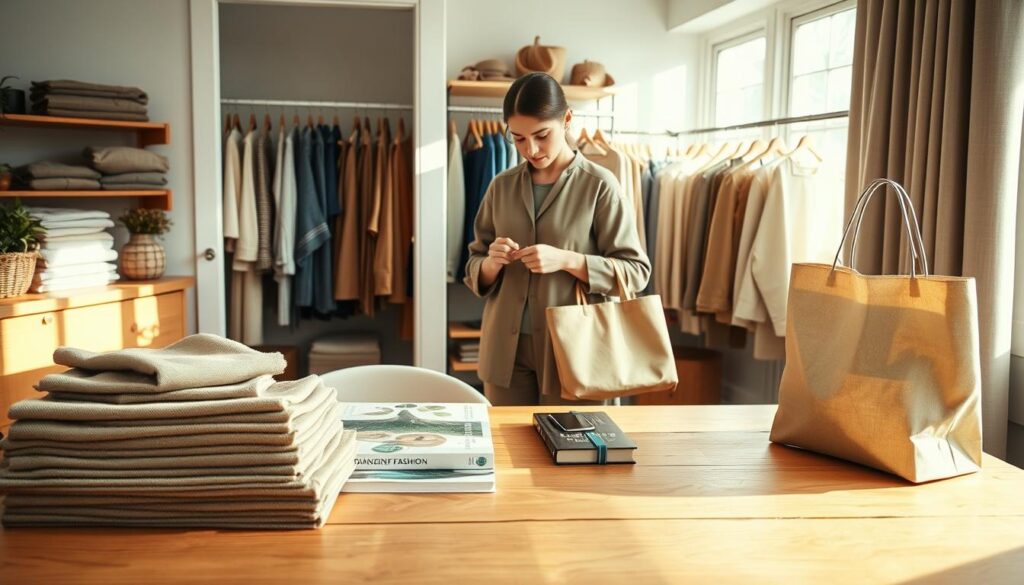
Your daily habits with your clothes are where true sustainability comes to life. It’s about making mindful choices every day, from how you shop to how you care for your wardrobe. This approach extends the life of your favorite items and reduces waste over time.
Practical Care Tips to Extend Clothing Life
Proper maintenance is the secret to a long-lasting collection. Simple ways of caring for your clothing make a huge difference. Frej Lewenhaupt, CEO of Steamery, shares essential advice.
“If you want to invest in one essential clothing-care tool we would recommend a steamer… It leaves your clothes smooth, fresh and wrinkle-free. We also recommend a fabric shaver, which is a great tool for de-bobbling and for prolonging the life of your knitted garments.”
Beyond tools, adopt these easy habits:
- Wash in cold water and air-dry to preserve fabrics.
- Learn basic repairs like sewing a button or mending a seam.
- Store knitwear folded, not hung, to maintain its shape.
Embracing Minimalism and Seasonal Wardrobe Curation
Thoughtful shopping means choosing versatile pieces that work across seasons. Instead of buying a new wardrobe each year, focus on layerable items that suit your style year-round.
Try a “one-in, one-out” rule. When you add a new piece, donate an old one. This keeps your collection manageable and intentional. Rotating your clothes with the seasons also helps you rediscover and wear all your favorite things.
Exploring Secondhand and Rental Fashion Options
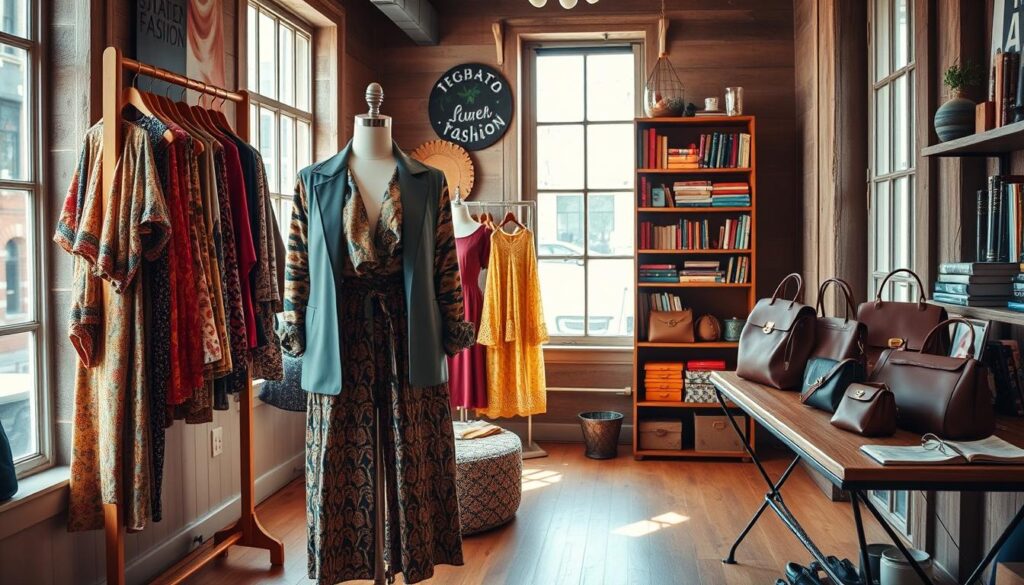
Resale platforms have transformed the way people approach fashion, offering endless possibilities for unique finds. This shift represents one of the most exciting ways to refresh your wardrobe while making eco-conscious choices.
Advantages of Thrifting and Renting for Special Occasions
Secondhand shopping isn’t about settling—it’s about curating. The treasure hunt mentality makes finding quality items incredibly rewarding. You discover pieces that tell stories and stand out from mass-produced fashion.
Platforms like Vestiaire Collective, The RealReal, and 1stDibs offer designer resale options. These marketplaces provide access to luxury brands at accessible prices. The environmental benefit is significant, reducing textile waste by extending garment life.
| Feature | Secondhand Shopping | Rental Services | New Retail |
|---|---|---|---|
| Cost Effectiveness | High savings potential | Affordable for special events | Full retail price |
| Environmental Impact | Extends existing item life | Maximizes single item use | New production required |
| Access to Brands | Vintage and luxury finds | Current designer collections | Current season only |
| Uniqueness Factor | One-of-a-kind pieces | Temporary exclusive access | Mass-produced items |
Rental options make perfect sense for special occasions. How many “just for this one event” dress items hide unworn in closets? Renting a beautiful dress for a wedding saves money and space.
Borrowing from friends creates community connections while reducing waste. This approach makes fashion more circular and sustainable. Sharing things we love represents progress toward a greener future.
Conclusion
Every piece in your closet has the potential to tell a story about who you are and what you stand for. Stella McCartney reminds us that sustainable fashion doesn’t mean compromising on beauty or style. Eco-friendly clothing can be just as desirable as conventional options.
Creating a thoughtful wardrobe isn’t about perfection. It’s about making intentional choices that benefit both your personal style and the planet. Each small step matters, whether it’s choosing better fabrics or caring for your items properly.
This journey toward a sustainable wardrobe might be one of the most rewarding transformations you’ll experience. Your clothing becomes a reflection of your values. Every day, your pieces tell a story about conscious living.
Start today with whatever small change feels right. Let your values guide your fashion choices. Over time, these intentional ways of dressing create a meaningful impact on your life and the world around you.
FAQ
What exactly is a sustainable wardrobe?
Is building a sustainable closet more expensive?
How do I know if a fashion brand is truly ethical?
What are the best sustainable fabrics to look for?
Can I still be stylish with a sustainable lifestyle?
What’s the first step I should take today?

Eduard Kingly is a travel and lifestyle content creator with a focus on personal development and education. He combines firsthand travel experiences with research-driven insights to guide readers in discovering new places, building better habits, and pursuing meaningful learning.