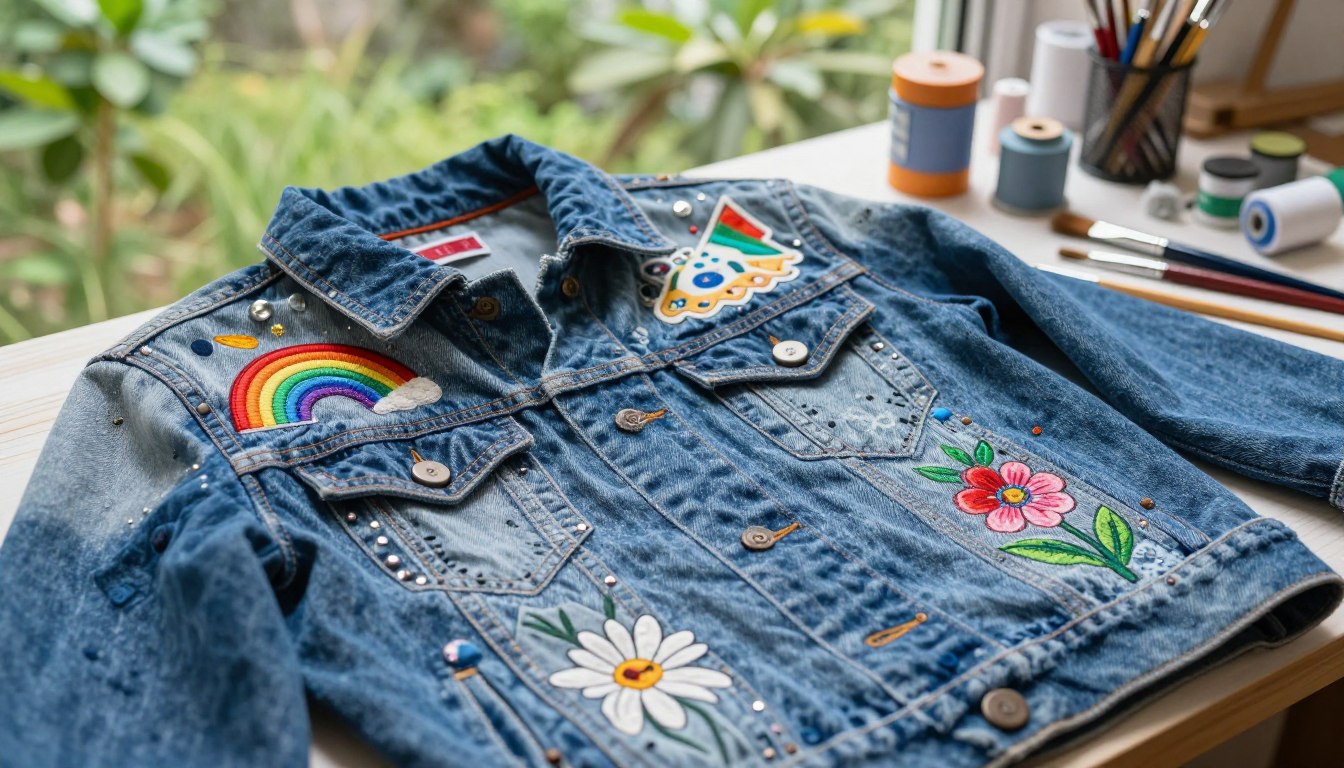
How to Customize Your Denim Jacket
As the legendary fashion designer Coco Chanel once said, “Fashion is not something that exists in dresses only. Fashion is in the sky, in the street; fashion has to do with ideas, the way we live, what is happening.” This spirit of personal expression is exactly what we’re diving into.
Welcome to the exciting world of transforming a simple garment into a wearable work of art. This is a space where creativity meets personal style. Your outerwear becomes a canvas that reflects your unique personality and artistic vision.
This project is wonderfully accessible for everyone. Whether you’re a beginner or an experienced crafter, the possibilities are endless. You can start with simple patches or dive into elaborate hand-painted designs. The goal is to turn an ordinary piece into a powerful statement.
Our guide takes a comprehensive approach. We will cover everything from finding inspiration to selecting materials. You’ll learn step-by-step techniques and get expert finishing tips. This ensures your creation is not only beautiful but also durable.
The benefits are fantastic. You can achieve significant cost savings compared to buying pre-designed pieces. There’s also the deep satisfaction of creating something one-of-a-kind. It’s a perfect opportunity to upcycle an existing item from your closet.
We’ll explore multiple methods like painting, embroidery, and adding embellishments. Our friendly, encouraging tone makes the process accessible to all skill levels. Get ready to unlock your creative potential and build a piece you’ll love for years.
Key Takeaways
- Personalizing your outerwear is a powerful form of self-expression.
- The process is accessible to crafters of all experience levels.
- This guide provides a complete roadmap from inspiration to finished product.
- DIY projects offer significant savings and the joy of creating something unique.
- You will learn various techniques to ensure professional, long-lasting results.
- The approach is friendly and designed to build your confidence.
- A wide range of styles, from vintage to modern, are achievable.
Introduction to DIY Denim Jacket Customization
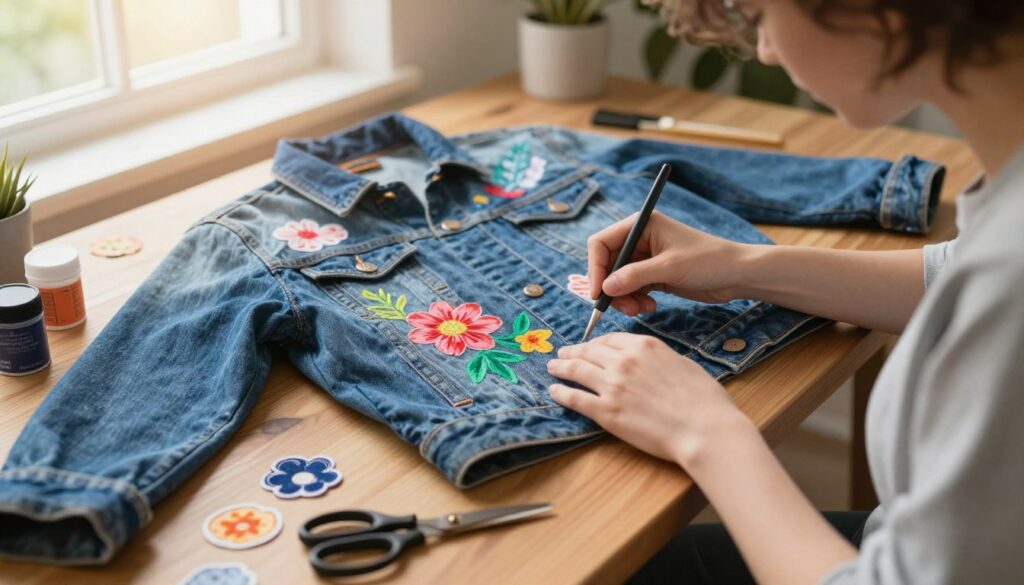
Your favorite denim piece is about to become a canvas for your unique style expression. This creative process transforms ordinary clothes into wearable art that tells your personal story. Each customization becomes a conversation starter that reflects your individuality.
The beauty of working with denim lies in its incredible versatility. These garments work for casual outings or special events, ensuring your creation gets regular wear. Upcycling existing pieces from your closet or thrift stores makes this project affordable and eco-friendly.
Customized denim has become a major trend, with everyone from celebrities to DIY enthusiasts embracing personalization. You can choose from various techniques like painting, embroidery, patches, or bleaching. Each method offers different aesthetic effects to match your vision.
This creative journey welcomes all skill levels. Simple patch additions might take just an hour, while elaborate designs could span multiple sessions. The time investment always pays off with a truly unique result.
Think of your project as an evolving masterpiece. Add patches from travels or paint designs that mark special moments. Your creation grows with you, becoming a wearable memory collection over time.
Inspiration and Creative Ideas for Your Denim Design
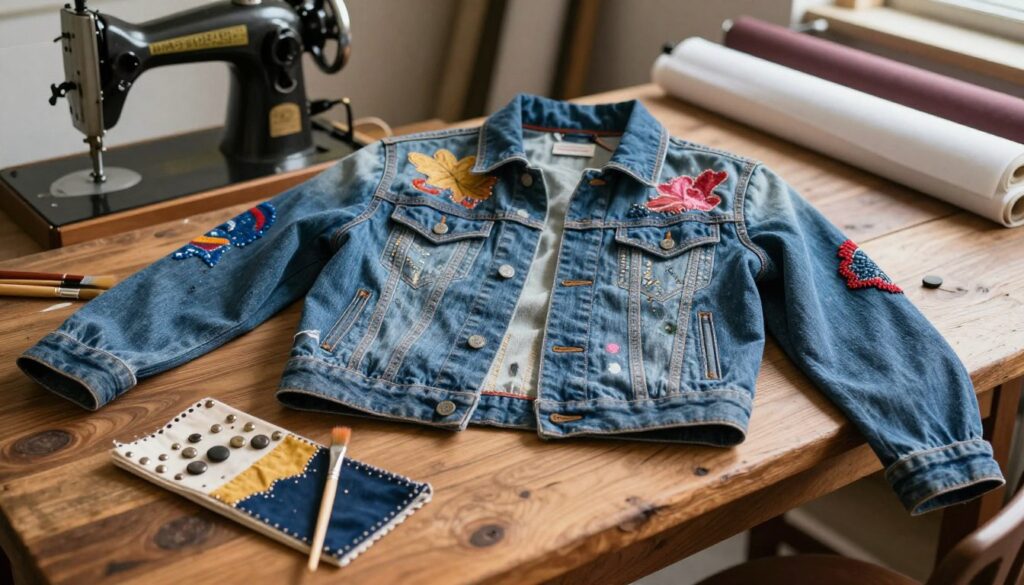
Creative inspiration flows from countless sources when designing a one-of-a-kind garment that reflects your personality. Your outerwear becomes a living scrapbook of memories and artistic expression.
As one creative enthusiast noted, “The best designs tell stories without saying a word.” This philosophy captures the essence of personalized clothing.
Exploring Patches, Embroidery, and Hand Painting
Patches remain the most accessible way to personalize your garment. Collect them from travels, concerts, or create custom designs. They transform basic clothes into meaningful statements.
Hand painting turns denim into a wearable canvas. Simple graphics or elaborate scenes both create stunning effects. The fabric accepts paint beautifully for lasting results.
Embroidery adds texture and dimension to your creation. From floral motifs to landscape scenes, thread work brings designs to life. It creates an artisanal quality that stands out.
| Technique | Skill Level | Time Required | Visual Impact |
|---|---|---|---|
| Patches | Beginner | 30-60 minutes | Bold, personal |
| Hand Painting | Intermediate | 2-4 hours | Artistic, unique |
| Embroidery | Advanced | 3-6 hours | Textured, detailed |
Combining Textures: Fringes, Lace, and Beads
Texture combinations create movement and visual interest. Fringe adds a rocker edge, while lace offers delicate contrast. Beads and pearls introduce sparkling details.
Mix methods for multidimensional effects. Try patches with beading or embroidery with lace inserts. These combinations make your design truly stand out from ordinary clothes.
Start simple if you’re new to customization. Build skills gradually while exploring different fabric treatments. The journey itself becomes part of the creative experience.
How to Customize Your Denim Jacket: Step-by-Step Preparation
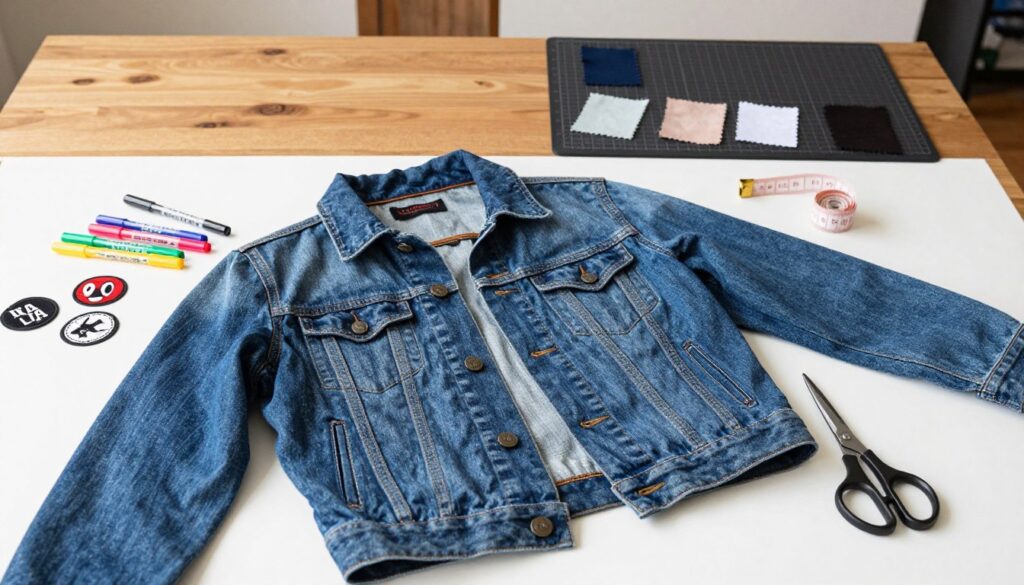
Before the first brushstroke or patch placement, careful planning ensures professional results. Proper groundwork makes your creative vision come to life with lasting quality.
Surface preparation is absolutely essential for success. New garments often have factory coatings that prevent proper adhesion. Using a specialized cleaner like Tarrago Universal Cleaner removes these barriers effectively.
Sketching Your Design and Selecting Colors
Always begin your creative process on paper first. Sketching allows you to refine composition and proportions before committing to the actual garment. This planning stage saves time and prevents mistakes.
For complex patterns, tracing paper works beautifully for accurate transfers. Freehand artists can sketch directly onto the fabric with pencil. Both methods ensure your vision translates perfectly to the denim surface.
Color selection requires thoughtful consideration of your base garment shade. Light, medium, or dark wash denim affects how colors appear. Plan complementary schemes and layer colors for depth and visual impact.
When working with patches, use clothes pins or removable tape for temporary placement. Photograph different arrangements and live with the layout before final attachment. This approach guarantees satisfaction with your final design.
Create a complete materials checklist before starting. Ensure you have all necessary paints, tools, and embellishments ready. Work in a well-ventilated, well-lit space with protective coverings for optimal results.
Selecting the Perfect Jacket and Materials
Finding the right foundation piece makes all the difference in your creative journey. The base garment you choose will influence every aspect of your design process and final result.
Start with a comfortable fit that allows movement and layering. Consider how different styles complement your body type and personal aesthetic.
Finding the Ideal Fit and Style
Look for relaxed, oversized cuts that work well with layers underneath. Classic trucker styles offer versatile canvases, while cropped or longline options create different silhouettes.
Thrift stores and secondhand shops are excellent sources for affordable pieces. Don’t worry about minor imperfections since you’ll be transforming the entire garment anyway.
Try on multiple options before making your final selection. Consider denim weight based on your intended use—lightweight for warmer climates, heavyweight for structured designs.
Essential Tools, Paints, and Cleaners to Use
Invest in quality materials for professional results. Specialized fabric paints like Tarrago Sneaker Care acrylics ensure vibrant, lasting color.
Essential products include Tarrago Universal Cleaner for surface preparation. Sneakers Soft Maker maintains fabric flexibility while improving paint adhesion.
For protective finishes, Sneakers Matt Maker creates a professional matte touch. Sneakers Nano Protector offers waterproofing and long-term durability.
Patch projects require needles, thread, or fabric glue for attachment. Consider iron-on backing for easy application and custom designs from various sources.
Optional tools like Cricut machines can cut glitter vinyl letters. Quality materials ensure your creation withstands regular wear while maintaining its artistic appeal.
Painting Techniques and Customization Methods
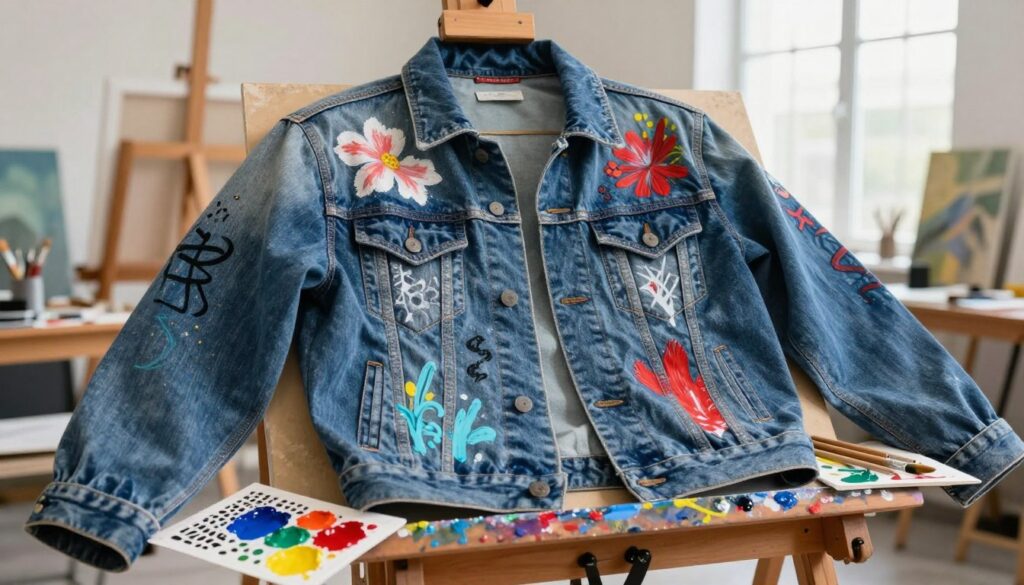
Professional-looking painted designs depend on foundational techniques that ensure color brilliance and durability. Mastering these methods separates temporary projects from lasting wearable art.
Applying a White Base and Layering Colors
Always begin with a white base coat, regardless of your final color scheme. This primer layer dramatically improves vibrancy and adhesion on denim fabric. Apply thin, even layers over your sketched design area.
Mix acrylic paints with Sneakers Soft Maker for optimal results. This additive maintains fabric flexibility while preventing cracking. Build color intensity gradually with multiple thin coats rather than thick applications.
Respect drying times between layers—typically 12-24 hours. This patience ensures proper adhesion and prevents future damage. Create custom shades through strategic color mixing for unique effects.
| Painting Method | Drying Time | Best For | Skill Level |
|---|---|---|---|
| Base Coating | 2-4 hours | Color preparation | Beginner |
| Color Layering | 12-24 hours | Depth building | Intermediate |
| Special Effects | 24+ hours | Unique finishes | Advanced |
Using Protective Coatings for Long-Lasting Results
Finish your artwork with Sneakers Matt Maker for a professional matte appearance. This eliminates unwanted shine and creates visual cohesion across your design.
Complete the process with Sneakers Nano Protector for waterproof protection. This final step fixes your artwork permanently, allowing confident wear in various conditions. These products transform amateur projects into professional creations.
Custom Patch and Embroidery Methods
Building a story on fabric through carefully placed patches creates wearable history. These textile additions transform basic garments into personal narratives that evolve over time.
Start your patch journey by exploring various sources. Search online marketplaces using theme-based keywords like cities, hobbies, or favorite bands. Local team stores and specialty shops also offer unique finds.
DIY Patches and Upcycled Ideas
Experiment with placement before committing to permanent attachment. Use clothes pins or removable tape to test different arrangements. Consider visual balance and leave space for future additions.
Multiple attachment methods suit different skill levels. Hand-sewing offers the most secure results, while iron-on options provide convenience. Fabric glue works well for no-sew applications.
| Attachment Method | Skill Level | Durability | Best For |
|---|---|---|---|
| Hand Sewing | Beginner | Excellent | Permanent placement |
| Machine Sewing | Intermediate | Strong | Multiple patches |
| Iron-On | Beginner | Good | Quick applications |
| Fabric Glue | Beginner | Moderate | No-sew projects |
Embroidery adds beautiful texture to your creation. Start with simple hand-stitched designs like flowers or text. Advanced crafters can explore machine embroidery for complex patterns.
Create custom patches from denim scraps or fabric remnants. Combine embroidery with upcycled materials for truly unique elements. This approach makes your garment completely one-of-a-kind.
View patch customization as an ongoing process. Add meaningful pieces as you travel or attend special events. Your outerwear becomes a living collection of memories.
Expert Tips and Tricks for a Professional Finish
The difference between temporary decoration and lasting wearable art lies in proper finishing techniques. These final steps ensure your creative work withstands regular wear while maintaining its visual appeal.
Managing Drying Times and Heat Techniques
Instead of waiting 12-24 hours between paint layers, use a hair dryer to accelerate drying. Heat both sides of the painted surface for 8-12 minutes. This technique saves significant time while ensuring proper adhesion.
When ironing your finished garment, always place protective fabric over painted areas. This prevents heat damage to your artwork while removing wrinkles. Proper storage is equally important for preserving your work.
Always hang your customized clothes rather than folding them. Folding can cause paint cracking and damage embellishments. Hand washing in cold water preserves your creation better than machine washing.
| Technique | Purpose | Time Required | Result Quality |
|---|---|---|---|
| Hair Dryer Heat Setting | Accelerate drying | 8-12 minutes | Professional adhesion |
| Protective Ironing | Remove wrinkles safely | 5-10 minutes | Undamaged artwork |
| Proper Hanging Storage | Prevent damage | Instant | Long-term preservation |
| Hand Washing | Gentle cleaning | 15-20 minutes | Maintained integrity |
Practice new techniques on denim scraps before applying them to your actual jacket. Document your process with photos to track progress and share your success. These professional touches ensure your creation remains beautiful for years.
Conclusion
Congratulations on mastering the art of turning everyday garments into unique fashion statements. You now have comprehensive skills to transform basic outerwear into personalized wearable art.
The techniques covered—painting with proper base coats, patch application, embroidery, and combining methods—create professional results. These approaches let you achieve significant savings compared to buying pre-designed pieces costing hundreds of dollars.
Start your creative journey with any garment from your closet or a thrift store find. Remember that customization evolves over time. Your creation can grow with new patches and designs as inspiration strikes.
These skills transfer to other projects like personalizing jeans, bags, and shoes. Share your unique designs on social media and join DIY communities. Continue developing your abilities while inspiring others with your creativity.
FAQ
What type of denim jacket is best for customization?
Do I need to wash my jacket before I start painting or adding patches?
What kind of paint should I use on denim fabric?
How do I make my painted design last through washes?
Where can I find cool patches for my jacket?
Can I combine embroidery with paint on the same jacket?

Eduard Kingly is a travel and lifestyle content creator with a focus on personal development and education. He combines firsthand travel experiences with research-driven insights to guide readers in discovering new places, building better habits, and pursuing meaningful learning.