
Stay Warm: How to Layer Clothes for Cold Weather Effectively
Did you know that up to 90% of winter discomfort comes from improper clothing choices, not just the temperature itself? It’s a surprising fact that highlights a simple truth. Staying comfortable isn’t just about the thermometer reading. It’s about the smart system you wear.
Mastering this system is an essential skill for anyone facing chilly days. Whether you’re commuting to work, enjoying outdoor activities, or just dealing with unpredictable conditions, the right approach makes all the difference. This method balances warmth, comfort, and even personal style.
This guide will walk you through everything you need. We’ll cover the technical basics, practical steps, material selection, and fashion-forward styling tips. Dressing for the season can feel overwhelming, but with the right knowledge, anyone can stay warm without sacrificing style or mobility.
Get ready to discover both functional and fashionable techniques. They will transform how you approach winter dressing.
Key Takeaways
- Layering is a strategic system, not just piling on clothes.
- The right technique balances warmth, comfort, and personal style.
- Mastering this skill is crucial for commuting and outdoor activities.
- Proper material selection is key to effective temperature regulation.
- You can stay warm in cold weather without sacrificing mobility.
- This guide covers everything from basics to advanced styling tips.
Introduction
The secret to staying comfortable during winter’s unpredictable swings lies in a strategic clothing system. This approach to dressing transforms how you experience chilly days, from cloudy mornings to windy evenings.
Unpredictable temperature changes make traditional single-layer outfits ineffective. A smart system allows you to adapt as your environment shifts throughout the day.
Effective temperature regulation provides warmth when needed while offering flexibility. You can easily adjust your comfort level as activities or conditions change.
This technique benefits everyone facing chilly conditions. Outdoor enthusiasts, urban commuters, and style-conscious individuals all gain from mastering this skill.
| Scenario | Temperature Range | Key Focus | Flexibility Need |
|---|---|---|---|
| Urban Commute | 20°F to 50°F | Easy on/off layers | High (indoor/outdoor) |
| Outdoor Activities | 10°F to 30°F | Moisture management | Medium (activity-based) |
| Work Environments | 30°F to 60°F | Professional appearance | Low (consistent temps) |
Our guide combines technical expertise with fashion inspiration. You’ll learn to create outfits that work in any winter situation while expressing personal style.
Why Layering is Essential for Cold Weather
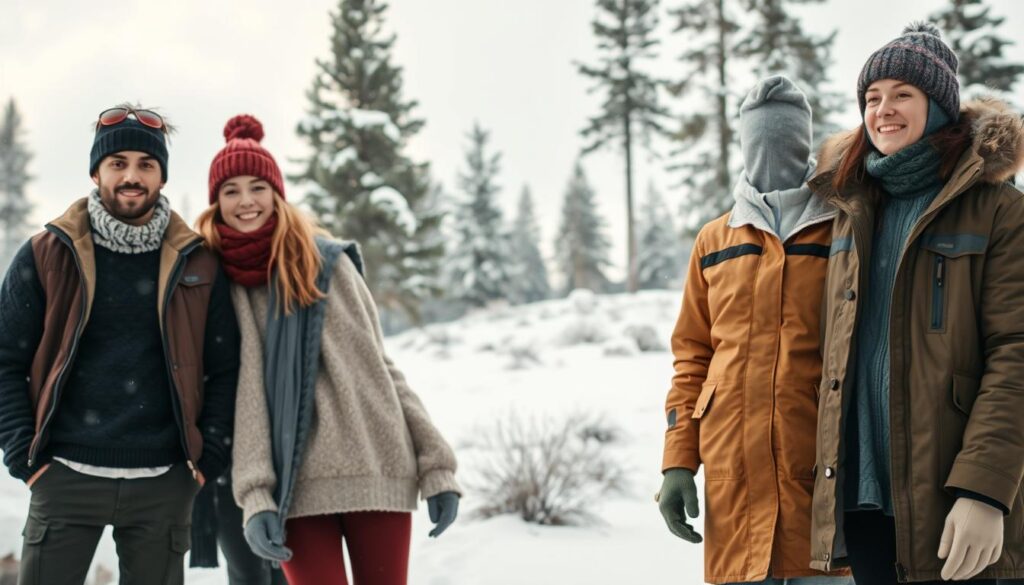
Multiple thin garments work together to create a personal climate control system. This approach provides superior warmth compared to bulky single items. The secret lies in trapped air pockets between each garment.
Health and Comfort Benefits
Proper layering maintains your core body temperature effectively. When your torso stays warm, blood circulates better to extremities. This prevents cold fingers and toes.
The system also stops overheating during activity. You can remove layers before sweating occurs. Moisture management is crucial for comfort and safety.
Enhanced Insulation and Weather Protection
Each garment adds another protection barrier against harsh elements. Wind, rain, and snow meet multiple defenses. This insulation method adapts to changing conditions throughout the day.
Strategic layering uses your natural heat efficiently. Air pockets between garments act as additional insulation. This helps you stay warm in variable weather.
| Approach | Warmth Efficiency | Adaptability | Mobility |
|---|---|---|---|
| Single Heavy Layer | Limited | Poor | Restricted |
| Multi-Layer System | Superior | Excellent | Enhanced |
| Core Focus Only | Moderate | Fair | Good |
Understanding the Basics: Base, Mid, and Outer Layers
The foundation of staying comfortable in chilly conditions rests on a simple yet powerful three-part strategy. This approach uses specialized garments that work together as a complete system.
Each component serves a distinct purpose while complementing the others. Understanding these roles helps you build effective combinations for any situation.
Base Layer: Moisture Management and Comfort
Your base layer sits directly against your skin. Its primary job is moving moisture away from your body to keep you dry.
This first layer should fit snugly without restricting movement. The right thickness depends on your activity level and the temperature.
Mid Layer: Trapping Heat Efficiently
The mid layer provides essential insulation by trapping your body’s natural heat. Fleece is a popular choice for this purpose.
You want warmth without excessive bulk. Vests offer excellent versatility, keeping your core warm while maintaining arm mobility.
Outer Layer: Wind and Water Resistance
Your outer layer acts as a shield against the elements. It blocks wind, rain, and snow while allowing moisture to escape.
Breathability is crucial for this final piece of protection. The right balance keeps you comfortable during various activities.
| Layer Type | Primary Function | Key Features | Material Examples |
|---|---|---|---|
| Base Layer | Moisture Management | Snug fit, wicking fabric | Merino wool, synthetic blends |
| Mid Layer | Heat Retention | Lightweight insulation | Fleece, down, synthetic fills |
| Outer Layer | Weather Protection | Wind/water resistance | Gore-Tex, nylon, technical fabrics |
This modular system lets you adjust your comfort level throughout the day. You can add or remove layers as conditions change.
How to Layer Clothes for Cold Weather

Building your winter wardrobe starts with understanding your daily activities and temperature exposure. This practical approach ensures you stay comfortable throughout changing conditions.
Selecting the Perfect Base for Every Activity
Begin by assessing your movement level and expected temperatures. Low-activity situations call for thicker base options like long underwear. High-movement times need lighter, moisture-wicking shirts.
Remember that both your upper and lower body need protection. Base layer bottoms are essential for keeping your entire body warm and comfortable.
Add your mid layer next. Choose a fleece pullover, wool sweater, or insulated vest. These pieces trap heat effectively without restricting movement.
Select your outer shell based on weather conditions. Lightweight, breathable jackets work for milder days. Heavily insulated, waterproof options protect during harsh winter storms.
This system isn’t rigid. You might need only two layers on mild days. Extreme conditions could require four or more layers for optimal warmth.
Adjust throughout the day as needed. Remove your jacket when indoors. Add a vest when temperatures drop. Shed your mid layer during high-activity periods.
Proper fit is crucial. Base layers should be snug. Mid layers allow comfortable movement. Outer layers must accommodate everything beneath without restricting motion.
Test your combination before extended outdoor time. Ensure each layer works together to keep you warm without overheating. This approach maintains consistent body temperature regardless of changing conditions.
Expert Tips from Street Style and Runway Inspirations

Street style photography and runway shows offer endless inspiration for creative winter dressing. These fashion-forward approaches prove that staying warm doesn’t mean sacrificing personal style. You can transform practical necessities into expressive outfits.
Incorporating Pop-of-Color and Unique Textures
Bright knitwear beneath neutral suede creates instant visual interest. This combination adds warmth while playing with contrasting textures. The colorful layer peeking through makes everyday outfits special.
Don’t retire your favorite lightweight jacket when temperatures drop. Layer it over your thickest sweater for continued wearability. This approach extends your wardrobe’s versatility throughout the season.
The classic trench coat serves as a perfect transitional piece. Wear it over cashmere with a flannel shirt underneath. This three-layer system provides both sophistication and practical warmth.
Layering with Statement Pieces for Bold Looks
Pattern mixing creates dynamic winter outfits. Leopard print paired with stripes adds personality to basic layers. These combinations make functional dressing feel fresh and exciting.
Statement coats elevate tailored suiting for professional settings. Let a striped shirt collar peek out for subtle color contrast. This technique adds dimension while maintaining polish.
Experiment with different materials like wool, denim, and leather. Each texture provides unique insulation properties. The visual depth makes your outfit interesting from every angle.
These creative approaches transform winter dressing into self-expression. Draw inspiration from fashion influencers to discover combinations that reflect your personal style.
Layering Techniques for Both Functionality and Fashion
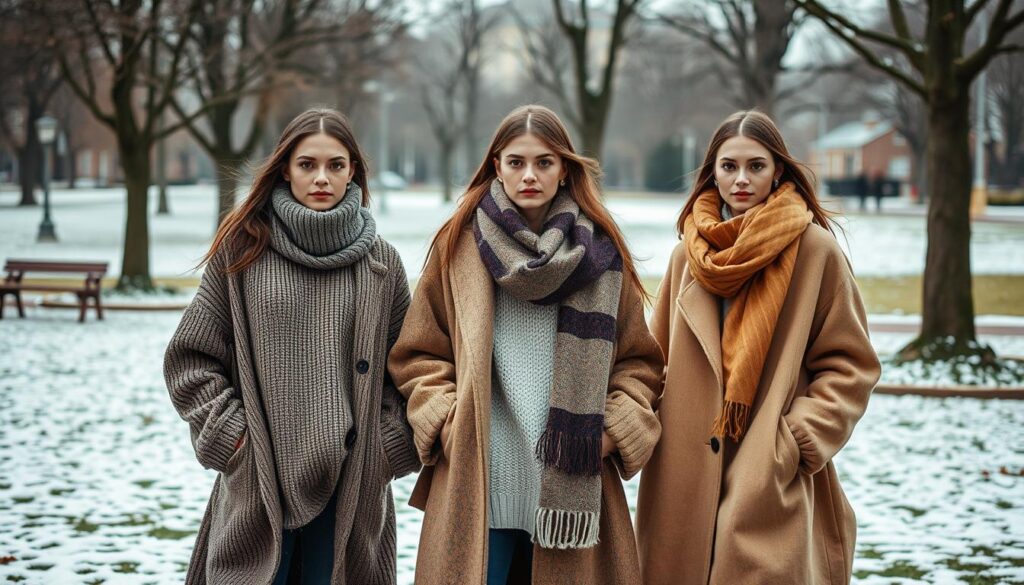
Contemporary fashion-forward layering transforms basic winter clothing into expressive, weather-ready ensembles. This approach lets you create outfits that work hard while looking great.
The right combination balances practical needs with personal style. You can achieve both warmth and sophistication with thoughtful piece selection.
Balancing Warmth with Contemporary Style
Start with the bomber jacket technique. A leather or nylon bomber pairs perfectly with artfully draped tops. This creates an effortlessly cool urban look that handles changing conditions.
Preppy combinations offer another stylish option. An oversized grey coat becomes the star when layered over chunky polos and knitted shirts. The textured look provides excellent insulation.
Don’t overlook the double-denim approach. Layer a denim shirt under your favorite coat with matching pants. This utilitarian aesthetic is both trendy and practical.
The cape serves as an elegant alternative to traditional outerwear. Keep your look monochrome by styling it over a slim-fit turtleneck. This piece bridges elegance and functionality beautifully.
Finally, pile on the essentials for timeless appeal. A vintage leather jacket tops cashmere sweaters and striped button-downs perfectly. These classic combinations never go out of style.
Investing time in developing your personal approach pays dividends. You’ll create a versatile wardrobe that handles any occasion while expressing your unique aesthetic.
Choosing the Right Materials and Fabrics
The materials you choose for your winter layers make all the difference between shivering and staying comfortably warm. Each fabric offers unique properties that affect moisture management, insulation, and overall comfort.
Benefits of Wool, Merino, and Fleece
Wool stands out as one of nature’s most remarkable insulating materials. It naturally regulates temperature, wicks moisture away from your skin, and resists odors. Even when damp, wool provides excellent warmth.
Merino wool offers premium performance as a base layer fabric. It’s soft against sensitive skin, non-itchy, and lightweight. This versatile material works beautifully in both base and mid layers.
Fleece remains the go-to choice for mid layer insulation. It traps air pockets efficiently to provide heat retention without excessive bulk. Different weights suit various conditions—lightweight for mild days, heavyweight for extreme cold.
Exploring Alternatives: Cotton and Other Insulative Fabrics
While comfortable, cotton has limitations in active winter situations. It absorbs moisture and loses insulating properties when wet. Cotton works better in casual urban settings where moisture management is less critical.
Alternative materials include synthetic options like polyester, which wicks moisture and dries quickly. Down provides exceptional warmth-to-weight ratio, while synthetic insulation performs well even when wet.
Strategic combinations create optimal systems. A merino wool base, fleece mid layer, and technical outer fabric work together seamlessly. Understanding these material properties helps you make informed choices for any activity.
Coordinating Colors and Patterns for a Stylish Look
Beyond warmth and protection, thoughtful color coordination adds personality to your winter wardrobe. The right combinations transform functional outfits into polished statements.
Start with neutral base colors like black, gray, or navy. These versatile shades provide a solid foundation for building your look. They pair easily with bolder pieces.
Mixing Neutrals with Bold Prints
Incorporate patterns strategically through middle layers. A striped shirt peeking from under a solid sweater creates visual interest. Statement pants balance well with neutral tops.
Monochromatic combinations offer sophisticated appeal. Different shades of one color create depth. Complementary hues between layers add energy to your ensemble.
Let a bright collar emerge from a dark coat. This technique adds dimension without overwhelming your outfit. Contrasting textures also enhance visual appeal.
Accessorizing with Gloves, Hats, and More
Accessories complete your layered look while providing essential warmth. Gloves and scarves around the neck introduce accent colors.
Coordinate these pieces with your overall color scheme. They serve dual purposes—practical protection and style enhancement. Choose accessories that complement your main layers.
Pair gray pants with a patterned shirt and neutral jacket. Add matching gloves for a cohesive appearance. These simple tips create intentional style statements.
Conclusion
The journey to winter comfort begins with recognizing that exposed skin quickly loses precious body heat. Mastering this system ensures you stay warm throughout changing conditions.
Remember the foundation: your base layer manages moisture, mid layers provide insulation, and the outer layer offers weather protection. This approach keeps your core warm, promoting better circulation. Don’t forget essential gear like insulated gloves and boots for complete coverage.
There are no rigid rules—adjust your layers based on the day‘s temperature and activity level. Experiment with different clothing combinations to find what works for your lifestyle. Quality investments in your winter clothes will keep you comfortable for years.
Start building your layered wardrobe today. With these tips, you can confidently face any cold weather day while looking great.
FAQ
What’s the most common mistake people make when layering?
How many layers do I actually need to stay warm?
Can I look stylish while staying warm in winter?
Is a heavy winter coat enough, or do I really need multiple layers?
What type of pants are best for cold weather?

Sharon Molly is a content creator in lifestyle, fashion, and travel, delivering style-savvy advice and destination insights to inspire confident living. With a background in digital media, she combines aesthetics with practical guidance for modern women on the go.