How to Spot Authentic Designer Bags
“Fashion fades, only style remains the same.” This timeless insight from Coco Chanel reminds us that true quality endures. In the world of luxury accessories, this principle is your greatest ally.
Welcome! The market for luxury goods has become a complex landscape. So-called “superfakes” are incredibly sophisticated, making it tough for even seasoned shoppers. This guide is here to change that.
We will walk you through a friendly, step-by-step process. You will learn to examine materials, appreciate fine craftsmanship, and understand unique brand hallmarks. This knowledge turns a daunting task into an achievable skill.
Learning to verify a luxury bag is about more than money. It’s about ensuring you receive the superior quality, durability, and artistry you pay for. Don’t worry—the counterfeit industry is vast, but you can confidently navigate it.
We will cover everything from sensory checks to technical details like stitching and hardware. With a little practice, you’ll be able to distinguish genuine pieces with ease.
Key Takeaways
- Superfakes have made identifying genuine luxury items more challenging than ever.
- Authentication involves checking materials, craftsmanship, and brand-specific details.
- This skill protects your financial investment and ensures you get true quality.
- Anyone can learn to verify luxury goods with the right knowledge and a systematic approach.
- The guide will cover sensory, technical, and brand-identifier checks.
Introduction: The Value and Impact of Authentic Designer Bags
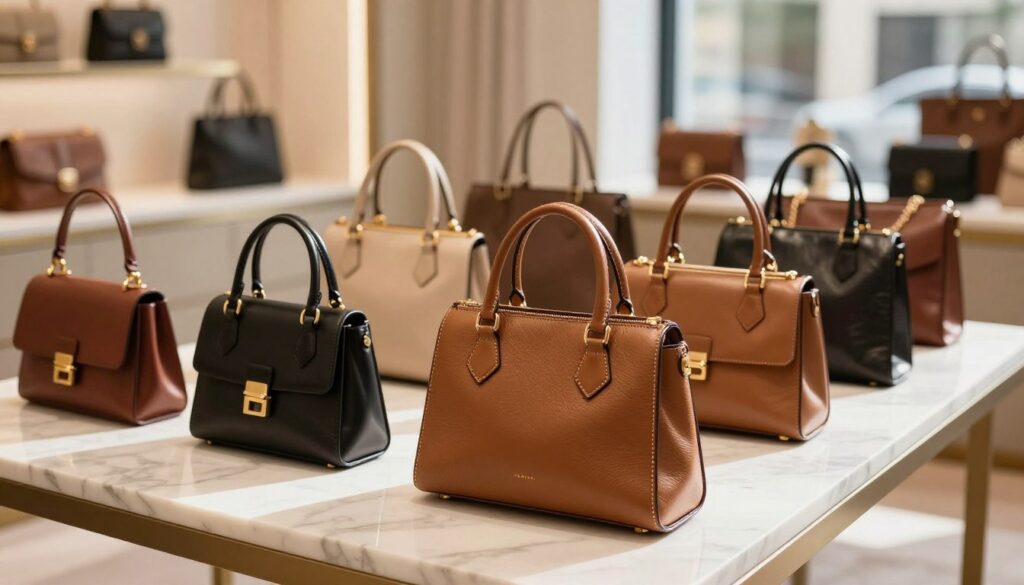
When you invest in a real luxury accessory, you’re not just buying an item—you’re acquiring a piece of artisanal excellence. This distinction separates temporary trends from lasting elegance.
Why Authenticity Matters for Your Investment
Genuine luxury pieces represent significant financial commitments. Limited edition collections often appreciate over time, making them smart investments. Protecting your purchase from counterfeit scams ensures your money supports true craftsmanship.
Superior materials and construction techniques guarantee longevity. A well-made purse can last decades with proper care. Counterfeit items typically deteriorate quickly, losing both function and value.
How a Genuine Bag Enhances Your Style
A luxurious, finely made accessory transforms any wardrobe. It serves as a reliable everyday companion or special occasion centerpiece. The intention and artistry behind each piece create that unmistakable presence.
Carrying a legitimate luxury item provides confidence that elevates any outfit. The difference becomes apparent when you feel the materials and examine the details. This quality enhances your personal style in ways counterfeit items cannot replicate.
| Feature | Authentic Luxury Bag | Counterfeit Item |
|---|---|---|
| Material Quality | Genuine leather, durable canvas | Synthetic materials, poor texture |
| Construction | Reinforced stitching, solid hardware | Weak seams, lightweight components |
| Longevity | Decades with proper care | Months before showing wear |
| Value Retention | Often appreciates over time | Loses value immediately |
Choosing authenticity means supporting legitimate fashion artistry rather than criminal operations. Your investment protects both your financial interests and the integrity of luxury craftsmanship.
Understanding the Craftsmanship Behind Authentic Designs
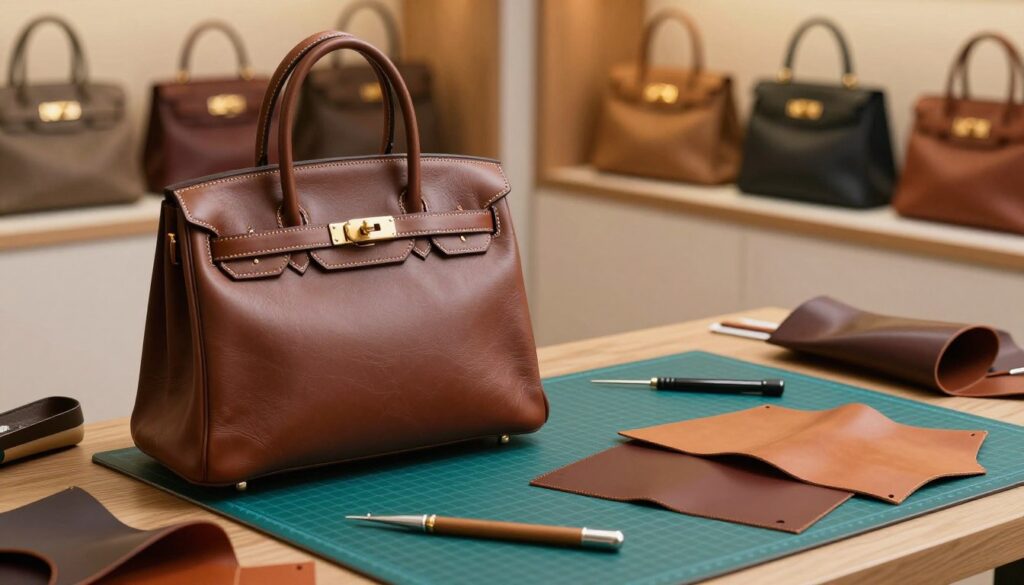
Luxury brands build their reputation on an unwavering commitment to superior craftsmanship. This dedication is your most reliable tool for verification. Counterfeit operations simply cannot afford to replicate the level of detail found in genuine pieces.
Quality Materials: Genuine Leather, Canvas, and Hardware
The finest materials are the foundation of any luxury bag. Genuine leather feels supple and buttery, with a natural grain that synthetic alternatives cannot match. This high-quality leather is structured and durable.
Not all designer pieces use leather. Many renowned brands utilize iconic, durable canvases. The hardware on authentic items has a substantial, dense weight. It is typically made from solid metals that resist chipping and discoloration over time.
Expert Stitching and Finishing Details
Examine the stitching closely. On a real bag, every stitch is perfectly even and aligned. There are no loose threads. This precision is a hallmark of expert craftsmanship.
Luxury brands maintain obsessive consistency. The same attention to detail is found inside and out. This level of quality ensures the bag ages gracefully, becoming a long-term treasure.
How to Spot Authentic Designer Bags: A Step-by-Step Guide
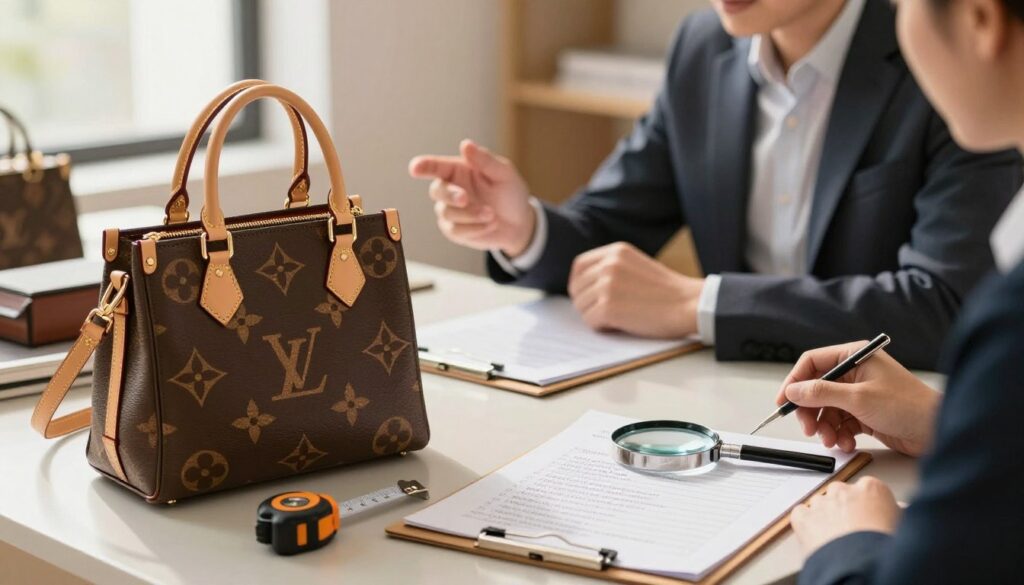
Following a clear checklist helps distinguish real craftsmanship from imitation. This systematic approach makes the verification process straightforward and reliable.
Materials and Construction Inspection
Begin by examining the materials closely. Genuine leather feels smooth and buttery, not stiff or synthetic. Check the interior lining for quality fabric that matches brand standards.
Poorly made items often use thin, cheap lining materials. The overall structure should feel substantial and well-balanced.
Stitchwork and Hardware Examination
Look at the stitching with careful attention. Each stitch should be perfectly even and uniform throughout the bag. There should be no loose threads or irregular spacing.
Test the hardware by tapping it gently. Solid metal produces a distinct sound compared to hollow imitations. All metal components should have consistent finishes.
Overall Finish and Structure Assessment
Evaluate how the piece holds its shape when placed upright. A genuine item maintains its form without collapsing. The weight distribution feels natural and balanced.
This final assessment confirms the quality you expect from luxury goods. It helps you spot fake designer items that lack proper construction.
Key Indicators of Authenticity: Logo, Serial Numbers, and Details
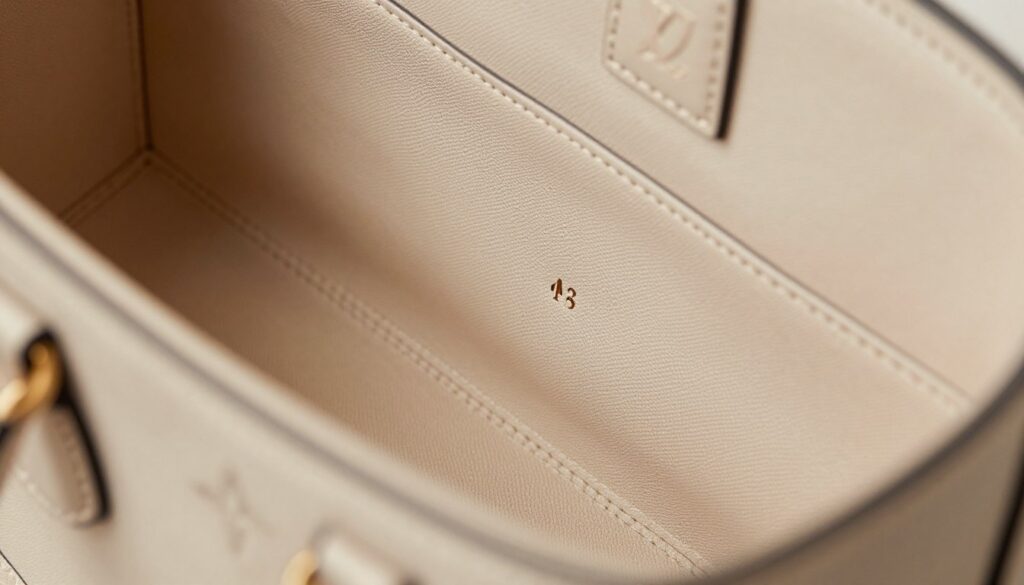
A luxury bag’s identity is encoded in its logos, stamps, and production markers. These specific elements serve as the item’s unique fingerprint. While counterfeiters can approximate the overall appearance, they nearly always fail on precise brand-specific details.
Analyzing Logos, Engravings, and Authenticity Marks
Examine both exterior and interior logos carefully. Compare them to official brand images online. Look for differences in font proportions and letter spacing.
Authentic pieces feature crisp, clean engravings with uniform pressure. Counterfeit items often show sloppy stamping that appears burned or blurry. The hardware engravings should be precisely spaced with consistent letter thickness.
Decoding Serial Numbers and Date Codes
Many luxury brands use unique codes to track manufacturing. These internal production markers combine letters and numbers. For example, Louis Vuitton codes indicate factory location and production date.
Verify that these codes match the “Made In” stamps on the bag. Fake codes often contradict other elements or use incorrect fonts. Authenticity cards should never be your sole proof of legitimacy.
| Feature | Authentic Luxury Bag | Counterfeit Item |
|---|---|---|
| Logo Stamping | Crisp, clean, even pressure | Blurry, inconsistent, fuzzy edges |
| Font Proportions | Perfect circles, correct spacing | Oval letters, awkward spacing |
| Serial Numbers | Match factory location and era | Contradict other bag elements |
| Hardware Engravings | Precise, consistent thickness | Shallow, poorly spaced letters |
Louis Vuitton represents 32.76% of all counterfeit luxury bags. This makes knowing brand-specific authentication markers especially important for verification.
Feeling the Authenticity: Weight, Presence, and Scent
Before examining any logos or serial numbers, start by simply holding and smelling the bag. Your senses provide immediate clues that counterfeiters struggle to replicate convincingly.
The Importance of a Substantial Weight and Proper Structure
A genuine luxury piece has satisfying heft from quality materials. Solid hardware and proper internal structure create this substantial weight.
Hold the bag and notice how it balances in your hands. Authentic pieces maintain their shape when set down. They stand upright without collapsing or slouching.
Counterfeit items often feel strangely light or flimsy. They use cheap substitutes like coated plastic instead of real leather. This creates an unpleasant stiffness or unnatural feel.
Recognizing the Natural Aroma of Genuine Leather
The “sniff test” is surprisingly reliable for authentication. High-quality leather has a rich, earthy aroma that’s naturally pleasant.
Fake items often reek of chemicals or synthetic materials. They may smell like new shower curtains or factory products. This plastic-like odor comes from industrial glues and cheap materials.
Scent is one of the hardest elements for counterfeiters to fake. Using genuine materials would eliminate their profit margins. If a designer bag smells more like a factory than a boutique, investigate further.
Additional Expert Tips for Verification
The journey to verify a luxury handbag extends beyond the product to its complete presentation. Professional authentication considers every detail that accompanies your purchase.
Verifying Inclusions and Branded Packaging
Genuine luxury items come with specific accessories. Look for high-quality dust bags featuring crisp logos. Brands typically include care booklets and branded boxes.
Some prestigious labels like Hermès don’t issue authenticity cards. The absence of a card doesn’t automatically indicate a fake. Always research brand-specific packaging standards.
Sophisticated counterfeiters now replicate packaging convincingly. Cross-reference these items against official brand details found on company websites. This extra step provides crucial verification.
Sourcing Bags from Trusted Retailers and Authenticators
When possible, shop directly from brand boutiques or authorized retailers. This guarantees 100% authenticity and proper documentation. You’ll receive certificates proving your item’s legitimacy.
For pre-owned purchases, use reputable consignment stores with authentication guarantees. Platforms like The RealReal and Fashionphile employ expert verification. Their return policies provide essential protection.
Professional authentication services offer specialized knowledge. They use advanced techniques to verify high-value items. This expert opinion is worth the investment for expensive purchases.
Proper care maintains your handbag’s value over time. Store special pieces in dust bags between uses. Regular leather conditioning preserves quality and potential appreciation.
Common Pitfalls and Counterfeit Red Flags
Counterfeit manufacturers have become increasingly sophisticated, making it crucial to recognize specific material and construction flaws. Even careful shoppers can miss subtle warning signs when excited about finding a great deal.
Identifying Flaws in Materials and Craftsmanship
Pay close attention to the interior lining of any luxury handbag. Genuine pieces use durable, color-matched fabrics. Counterfeit items often feature cheap lining that tears easily or shows incorrect colors.
Examine stitching carefully for loose threads or uneven patterns. Real craftsmanship shows perfect consistency throughout. Poor stitching quality is a clear indicator of a fake item.
Hardware issues reveal imitation goods immediately. Hollow components with thin paint that chips away are common in fake designer pieces. Mismatched metal finishes also signal poor quality.
The sensory experience provides important clues. Authentic leather has a rich, natural aroma. Counterfeit items often smell like chemicals or plastic. This difference is hard for imitators to replicate.
When evaluating a potential deal, remember that luxury items hold their value remarkably well. Dramatic discounts on current-season pieces should raise concerns. Research typical resale values for specific models to understand fair market price ranges.
If a price seems too good to be true, it probably is. Scammers use unrealistic price points to exploit wishful thinking. This represents the biggest single red flag in the luxury market.
Counterfeiters typically focus on making exteriors look convincing while cutting corners on interiors. This creates inconsistencies that careful inspection reveals over time. Learning to spot these differences protects your investment.
Whether shopping for a new handbag or pre-owned purse, understanding these red flags helps you avoid costly mistakes. Taking time to verify quality ensures you get the genuine article. A well-made purse should serve you for years, not just look good for a short time.
Conclusion
Armed with comprehensive verification knowledge, you can approach luxury shopping with newfound confidence. You’ve mastered the essential techniques for recognizing genuine pieces.
Remember the key pillars: sensory evaluation, material inspection, and brand-specific markers. Each bag you examine sharpens your eye for subtle quality differences. Trust your instincts when something feels off.
Always prioritize trusted sources like official boutiques or reputable resellers. The craftsmanship in genuine pieces ensures lasting value and style impact.
Your investment in learning these skills pays dividends with every purchase. Enjoy the journey of finding pieces that reflect your personal fashion sensibility while protecting your investment.
FAQ
What’s the easiest way to tell if a designer bag is fake?
Are serial numbers a reliable way to check authenticity?
Why does the leather smell matter?
Is a low price always a sign of a fake?
How important is the interior lining of the bag?
Should I get a bag authenticated before buying?

Sharon Molly is a content creator in lifestyle, fashion, and travel, delivering style-savvy advice and destination insights to inspire confident living. With a background in digital media, she combines aesthetics with practical guidance for modern women on the go.