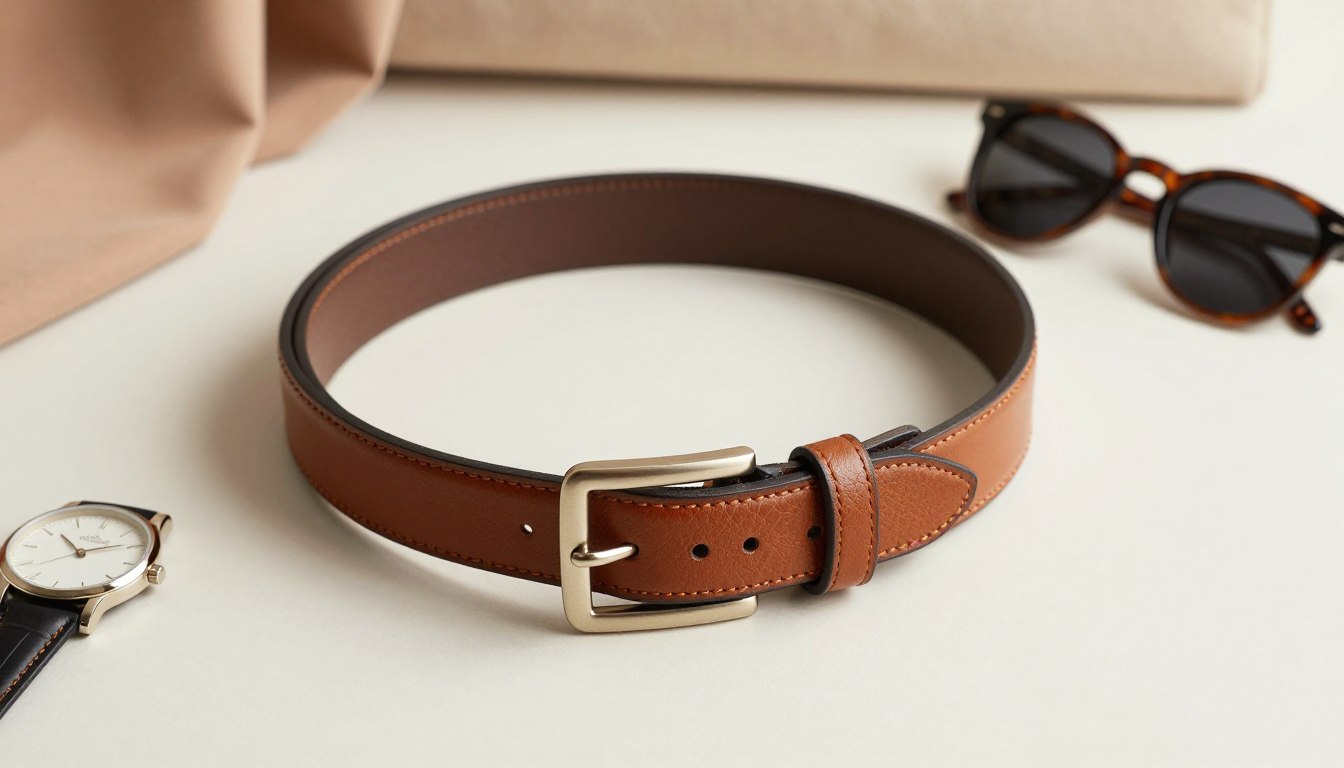
How to Style a Belt
“Accessories are what make the outfit. They are the exclamation point of a woman’s wardrobe.” – Coco Chanel’s timeless wisdom perfectly captures why this fashion piece deserves your attention.
According to fashion experts, belts are currently having a major resurgence. This trend started about five years ago when pant rises began getting higher, particularly with high-waist denim’s popularity.
Jordan Grant, content director for London-based commerce company Heat, emphasizes the power of this accessory: “A belt has the power to completely transform an outfit. It can tie a look together or act as a focal point, balance proportions, and create a stronger silhouette.”
This versatile item works similarly to jewelry or scarves. It adds visual interest and helps create cohesive outfits that feel intentional rather than thrown together. Whether you’re new to belt styling or looking for fresh ideas, this guide will build your confidence.
We’ll explore everything from choosing the right piece for your body type to mixing metals and styling with different outfits. You’ll discover practical tips that make incorporating this accessory approachable and fun.
Key Takeaways
- Belts are experiencing a major fashion comeback after five years of growing popularity
- This accessory can completely transform an outfit by creating balance and stronger silhouettes
- Belts function like jewelry, adding visual interest and making outfits feel intentional
- They serve as the perfect “third piece” in warmer weather when layers aren’t practical
- Choosing the right belt involves considering body type, metal finishes, and outfit compatibility
- Both functional and fashionable, belts work with various clothing styles from casual to formal
- Expert tips make belt styling approachable for beginners and enthusiasts alike
Why Belts Are Essential in Modern Fashion
TikTok’s “wearing vs. styling” phenomenon, with over 119 million views, showcases the transformative power of a well-chosen belt. This trend highlights the difference between basic clothes and a fully conceptualized outfit. Belts are the key accessory that bridges that gap in modern fashion.
The Versatility of Belts as an Accessory
Fashion stylist Hallie Abrams explains that belts act as a “third piece” in an ensemble. This is especially useful in warm weather when layering with a jacket isn’t an option. They add visual interest and help pull a look together seamlessly.
The real beauty of this accessory is its dual purpose. It’s both functional, like cinching a waist, and highly fashionable. A single basic outfit can become multiple distinct looks just by switching this one thing.
Belts as a Statement Piece in Your Wardrobe
Some belts are designed to be the star of the show. A bold statement piece can become the focal point of your entire ensemble. It draws the eye and injects personality into even the simplest clothing combinations.
This power to command attention makes them indispensable. With high-rise pants and tucked-in tops being so popular, the belt naturally occupies a more prominent, visible space.
Belt Types at a Glance
| Type | Best For | Impact Level |
|---|---|---|
| Classic Leather | Professional settings, timeless looks | Subtle Definition |
| Statement Belt | Making an outfit the center of attention | High Impact |
| Functional Webbing | Casual days, denim, utility wear | Low-Key Cool |
The Evolution of Belts: From Practical to Statement Pieces
Fashion’s relationship with belts has followed a fascinating cycle of relevance and rediscovery throughout the decades. These accessories have moved between being essential wardrobe items and forgotten pieces depending on prevailing clothing styles.
Historic Trends and Modern Comebacks
The early 2000s marked a low point for belt popularity. Low-rise jeans dominated fashion, making these accessories either invisible or impractical. Many people stored away their 1990s belts, thinking they’d never wear them again.
About five years ago, everything changed. High-waist denim returned to prominence. Waist definition became crucial in designer collections. Suddenly, those stored-away accessories became perfect again.
Belt Popularity Through the Decades
| Time Period | Dominant Trend | Belt Significance |
|---|---|---|
| 1990s | High-waist silhouettes | Essential wardrobe piece |
| Early 2000s | Low-rise jeans era | Minimal importance |
| Last 5 years | High-waist comeback | Major fashion resurgence |
| Current trend | Decorative statement pieces | Artistic expression |
How Designers are Redefining Belt Styling
Contemporary designers have transformed our understanding of these accessories. They’ve moved beyond the traditional functional role. The “unnecessary belt” trend represents this shift perfectly.
Wide styles have become particularly fashionable in recent years. Diesel’s fall-winter 2022 belt skirt popularized wearing wider pieces with low rises. Luxury designers like Alaïa create sculptural designs that function as wearable art.
“The modern belt isn’t just about holding up pants—it’s about creating visual interest and defining personal style.”
This evolution helps us see belts as flexible styling tools rather than rigid fashion rules. They’ve become true statement pieces that adapt with the time.
Choosing the Perfect Belt for Your Body Shape
The secret to belt success lies in selecting pieces that harmonize with your natural proportions. When this accessory complements your frame, it creates a balanced, intentional look that feels custom-made for you.
Understanding Belt Proportions and Fit
Getting the right fit means considering both width and placement. Your torso length plays a key role in determining what works best for your body shape.
For shorter torsos, skinny to medium-width belts prevent overwhelming your frame. Those with longer torsos have more flexibility with wider statement pieces. The space between your bust and waist determines comfortable belt placement.
Stylist Hallie Abrams shares a clever technique: “Wearing a belt and adding a blazer over it creates visual waist definition while camouflaging thickness from the side.” This approach works beautifully for anyone concerned about their midsection.
Matching Belt Width with Your Outfit
Your clothing provides helpful clues for choosing the right belt width. High-waist pants, for example, pair best with medium or skinny options. Very thick belts can hit your ribs uncomfortably unless you’re extremely long-waisted.
Belt loops offer practical guidance too. While an exact match isn’t necessary, oversized loops with a skinny belt (or vice versa) can look awkward. The goal is harmonious proportions that enhance your overall outfit.
Remember that your belt should work with your body shape, not fight against it. When chosen thoughtfully, this accessory becomes a powerful tool for creating flattering silhouettes.
Expert Tips: How to Style a Belt
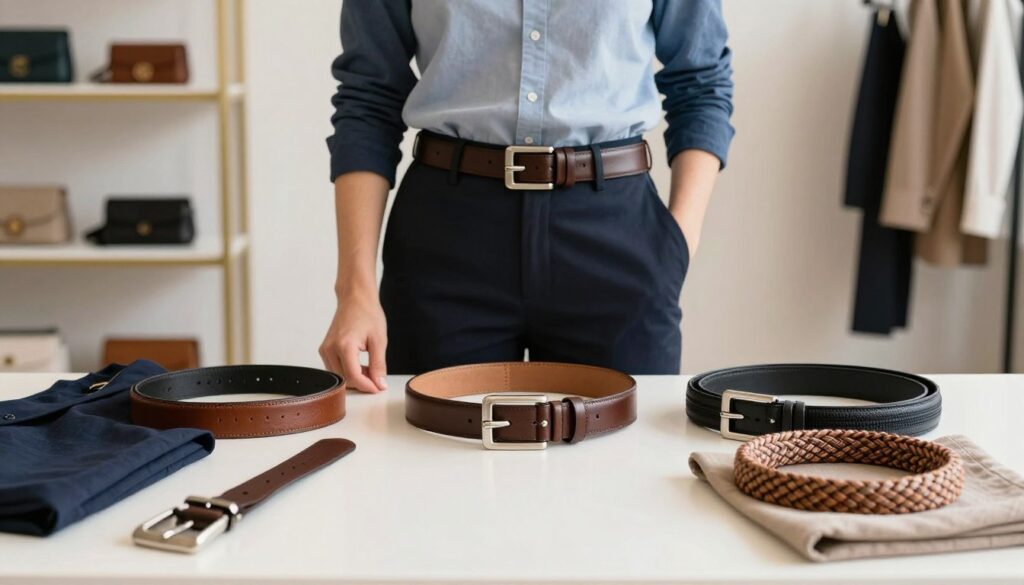
Professional stylists emphasize that successful belt usage transforms an outfit from simple to sophisticated. The key lies in making this accessory feel purposeful rather than accidental. When done right, it becomes the unifying element that completes your entire ensemble.
Step-by-Step Guide to Creating a Cohesive Look
Begin by deciding your belt’s role. Will it provide striking contrast or harmonize with other elements? TikTok’s “thrifting queen” Macy Eleni Harris suggests using them for fun pops of color or texture. This approach can make formal outfits feel more casual and approachable.
Coordinate your choice with other accessories for a polished result. Matching to shoes offers a classic approach. Alternatively, connect it to your bag or a color in your top for creative flair. The goal is creating visual continuity throughout your look.
Proper clothing adjustment ensures your accessory gets the attention it deserves. Experts recommend tucking in your top—either fully or just at the front. This showcases the piece effectively. If opting for no belt, blouse your top to hide part of the waistband for smooth visual transition.
Final details make all the difference. Ensure the length doesn’t have awkward excess material. Center the buckle at your most flattering waist placement. Remember that hardware details, textures, and unique buckles can become focal points when you want to make a statement.
Styling Belts with Jeans and Casual Looks
The combination of jeans and a well-chosen belt represents one of fashion’s most versatile duos. This pairing transforms basic denim into a complete outfit that feels intentional and polished.
Tips for Tucking and Outfitting with Jeans
When you wear a belt with jeans, tucking your top becomes essential. A full tuck showcases the entire piece, while a front tuck highlights just the buckle area. This technique works beautifully with various tops from crisp shirts to cozy sweaters.
Coordinate your accessories for a cohesive look. Matching your belt to shoe color creates classic harmony. With sneakers, try coordinating to a color in the footwear instead.
Choosing the Right Belt for a Laid-Back Vibe
Selecting the perfect belt depends on your desired aesthetic. Skinny options offer modern sophistication, while wider styles complement casual weekends. Consider the belt loop width on your pants for proportional harmony.
Buckle choice significantly impacts your overall vibe. Minimalist hardware creates understated elegance, while ornate designs add personality. For ultimate casual cool, leave the end hanging or create a loose knot.
Belt Selection Guide for Denim
| Jeans Style | Recommended Belt | Styling Tip |
|---|---|---|
| Classic Blue Denim | Medium-width leather | Match to brown or black shoes |
| Distressed Jeans | Woven or fabric belt | Leave end loosely hanging |
| Dark Wash Pants | Skinny leather belt | Perfect for dressier casual looks |
| White or Colored Denim | Statement color belt | Adds fun pop of personality |
Don’t limit yourself to traditional leather options. Colored, woven, or studded belts can express individual style while elevating your denim game. The right choice makes everyday jeans feel special.
Belts for Formal and Professional Settings
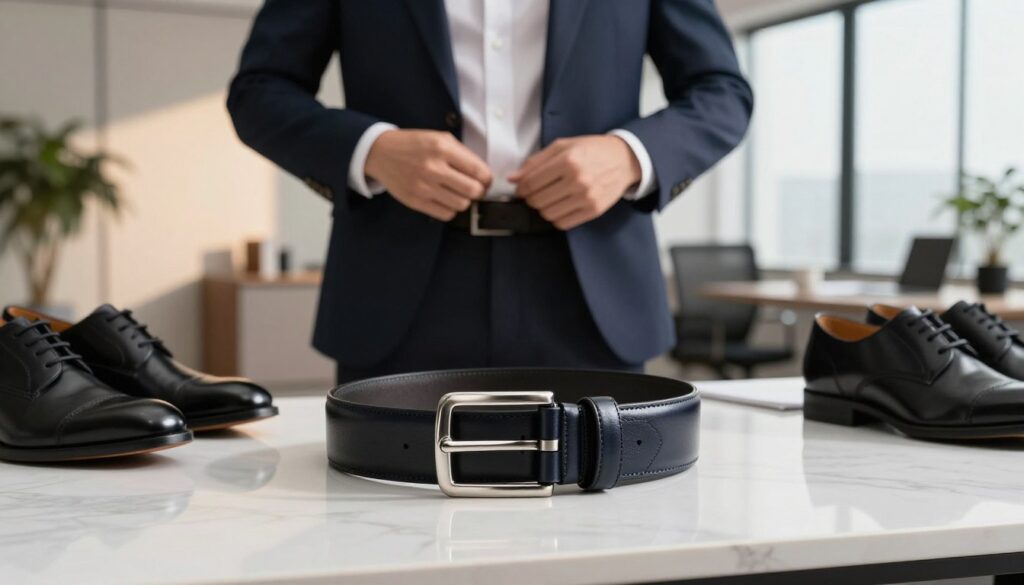
Office settings call for accessories that communicate professionalism while maintaining personal style. The right choice can elevate your entire presentation without overwhelming it.
In corporate environments, subtlety reigns supreme. Your belt should complement rather than dominate your outfit. Quality leather options in classic colors like black, brown, or navy work seamlessly with dress pants and pencil skirts.
Elevating Office Outfits with Subtle Belt Choices
Professional settings demand refined accessories. Stick with skinny to medium-width belts featuring simple buckles. These pieces define your waist beautifully without drawing excessive attention.
When wearing a blazer, position your belt underneath for subtle shape definition. This creates clean lines that enhance your silhouette. The effect becomes visible when your jacket opens, adding polished sophistication.
Matching your belt to shoes offers a timeless approach for conservative offices. This classic combination demonstrates attention to detail. Invest in one or two excellent leather pieces rather than multiple budget options.
Tucked-in blouses and button-down shirts pair perfectly with professional belts. This creates crisp, intentional looks that make strong impressions. The right choice balances proportions while maintaining workplace-appropriate subtlety.
Mixing Metals: Navigating Buckles and Accessories
Metal coordination creates some of fashion’s most common styling dilemmas. The traditional rule about matching every piece of hardware has officially expired. Modern fashion celebrates creative combinations that reflect personal taste.
Coordinating Silver, Gold, and Other Hardware
TikTok style expert Macy Eleni Harris frequently mixes silver and gold. She demonstrates how contrasting metals can create dynamic, intentional looks. The key lies in distributing different finishes throughout your outfit.
Consider your shoes and other jewelry when selecting a buckle. A silver belt pairs beautifully with gold earrings or warm-toned accessories. Rose gold offers a versatile middle ground that bridges both metal families.
When to Break the Traditional Rules
Casual settings provide perfect opportunities for experimentation. Running errands or meeting friends allows for playful metal mixing. Professional environments might call for more conservative coordination.
Content director Jordan Grant acknowledges personal comfort levels vary. “There’s no need to be too precious about it,” she advises. The important thing is creating looks that feel authentic to your style.
If mixing feels uncomfortable, stick with one metal family for classic cohesion. Fashion rules ultimately serve your confidence above all else.
DIY Belt Hacks: Adjusting and Modifying Your Belt
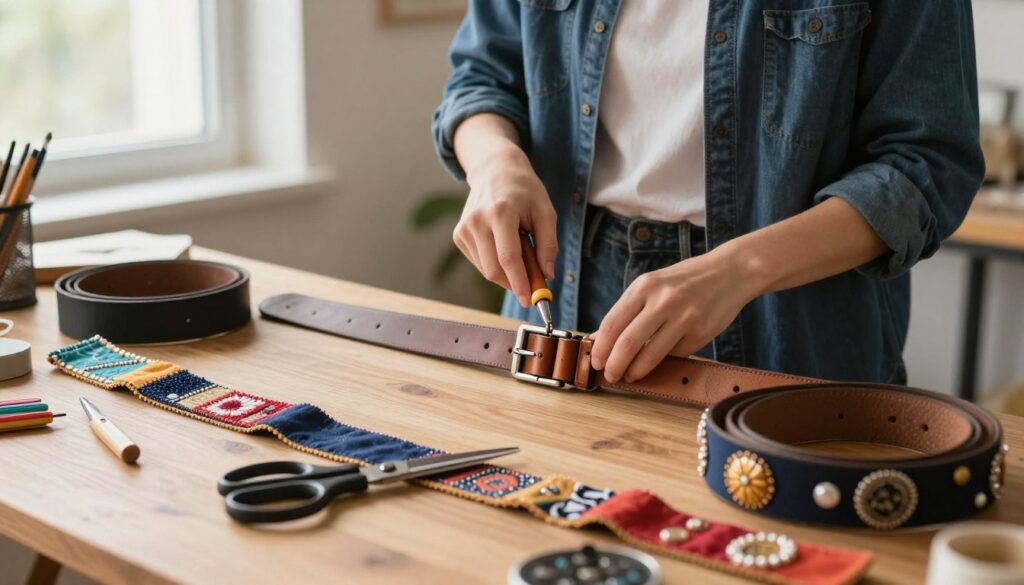
Custom belt adjustments offer practical solutions for achieving the ideal fit while saving money on new purchases. Learning these simple techniques extends the life of your favorite accessories and rescues thrift store finds.
The most common modification involves adding extra holes. This comes in handy after weight changes or when discovering vintage pieces that need slight sizing adjustments.
Practical Tips for Customizing Belt Fit
For leather belts, a professional hole punch tool provides the cleanest results. These affordable tools are widely available and make the process straightforward.
Macy Eleni Harris shares an inventive DIY method using basic household items. “You’ll need a razor blade, nail, two nuts, and a hammer,” she explains. This approach takes a bit more time but creates professional-looking holes without specialized equipment.
Careful measurement ensures new holes align perfectly with existing ones. Mark your spot lightly before punching for precise placement.
Suede belts require extra caution during modifications. Use sharp tools and work slowly to prevent tearing the delicate material. For valuable suede pieces, professional assistance might be worth considering.
These DIY tips work best on casual leather or fabric belts. Expensive designer pieces with intricate details deserve professional alteration services for optimal results.
Where to Invest: Splurge vs. Budget Belts
The art of belt collecting involves knowing when to splurge on quality and when to save on fleeting trends. Building a versatile collection means balancing investment pieces with affordable finds.
Strategic spending ensures your closet contains belts that serve different purposes without breaking the bank.
Identifying Quality Materials and Design Details
Investment-worthy belts showcase superior craftsmanship. Look for full-grain leather, solid metal buckles, and precise stitching.
A quality leather belt develops a beautiful patina over time. These pieces become closet staples that last for decades.
Content director Jordan Grant recommends specific brands for lasting value. “Isabel Marant always has a great selection of belts that are classics you’ll wear over and over again.”
Finding Affordable Alternatives Without Compromising Style
Trend-driven pieces perfect for budget shopping. A studded belt or seasonal style might not warrant major investment.
Grant suggests Raey as a price-friendly alternative. This brand offers chic seasonless pieces including a vast selection of belts.
These affordable options let you experiment with new looks. They provide style without the commitment of high-end prices.
Smart Belt Investment Guide
| Belt Type | Investment Level | Best For |
|---|---|---|
| Classic Leather | High Investment | Daily wear, professional settings |
| Statement Piece | Mid-Range | Special occasions, trend longevity |
| Studded Belt | Budget-Friendly | Seasonal trends, experimental styling |
| Seasonal Trend | Low Investment | Short-term fashion statements |
Balance your collection with one or two premium leather belts plus rotating affordable pieces. This approach maximizes style while minimizing closet clutter.
From Day to Night: Transitioning Your Belt Look
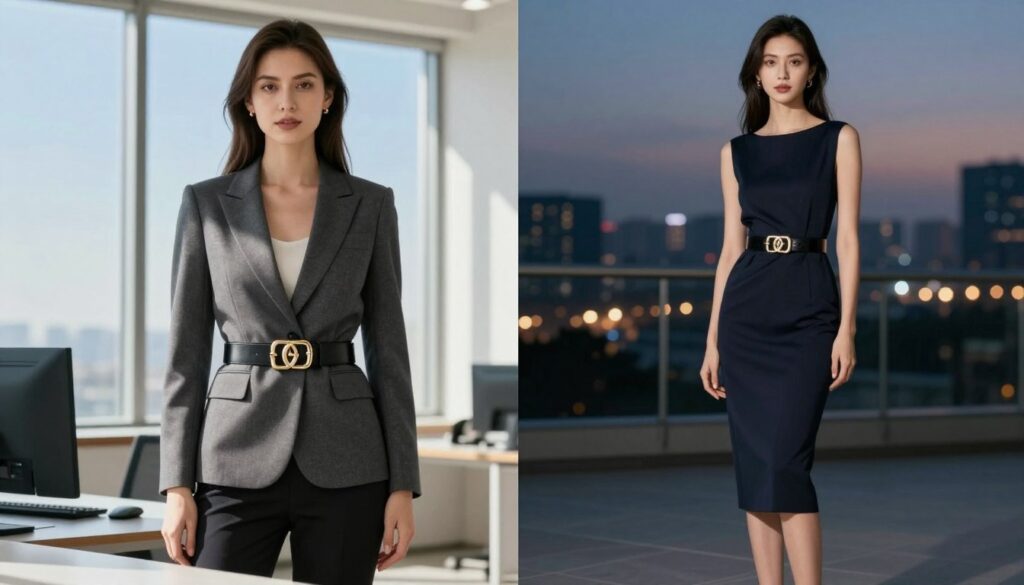
One accessory can dramatically shift an outfit’s entire character as you move from day to night: your belt. This simple swap transforms basic pieces into occasion-appropriate ensembles without requiring a complete wardrobe change.
Start with a slim leather option for daytime professionalism. Pair it with jeans and a tucked-in shirt for clean, polished results. When evening approaches, switch to a statement piece with dramatic hardware.
Adapting Belt Styles for Any Occasion
The same dress works overtime with strategic belting. Wear it with a cardigan and simple belt for office hours. Remove the layer and add a wider piece for dinner-ready impact.
Many women find belting tricky around the waist. One stylist confesses, “I love this look, but on others. Sometimes, if the belt and dress hit just right I can pull that off, but it’s not a sure thing.” Experiment at home to find your perfect placement.
Your blazer and pants combo transitions seamlessly when you change belts. Use a skinny option during work hours. Switch to a wider piece worn over the closed jacket for evening sophistication.
Statement belts with metallic finishes or embellishments elevate simple combinations. They transform a basic skirt and top into something special. Consider proportions—daytime choices often feel too conservative after dark.
With just a few different belts, you create countless looks from the same wardrobe pieces. This versatility makes them one of the hardest-working accessories for busy women.
Conclusion
The true power of a great accessory lies in its ability to transform the ordinary into something extraordinary. This simple piece can elevate your everyday outfits while expressing your unique personality.
Throughout this guide, you’ve discovered that belts are versatile styling tools. They define your waist, balance proportions, and serve as statement pieces. Modern fashion rules are flexible—mix metals and wear them in ways that work for you.
Building a collection doesn’t require dozens of options. A few quality pieces in different styles will serve you well. They work with most of your existing wardrobe effortlessly.
For women who’ve overlooked this accessory, now is the perfect time to experiment. The right belt multiplies outfit possibilities exponentially. Getting dressed becomes easier and more enjoyable.
Use these expert tips as your starting point. Don’t be afraid to break rules and develop your own approach. The most important thing is creating looks that feel authentic to your personal aesthetic.
FAQ
Can I wear a belt if I’m not trying to define my waist?
What’s the best way to choose a belt color?
How do I know what belt width is right for me?
Is it okay to mix metals with my belt buckle and other jewelry?
How can I make a simple outfit look more expensive with a belt?
What’s one easy styling tip for belts that everyone should know?

Eduard Kingly is a travel and lifestyle content creator with a focus on personal development and education. He combines firsthand travel experiences with research-driven insights to guide readers in discovering new places, building better habits, and pursuing meaningful learning.