How to Style Vintage Clothing
“Fashion is part of the daily air and it changes all the time, with all the events. You can even see the approaching of a revolution in clothes. You can see and feel everything in clothes.” — Diana Vreeland. This iconic observation captures the very soul of our subject. Garments are more than just fabric; they are wearable history.
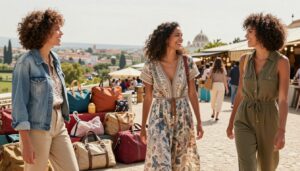
Every piece from a bygone era carries a unique story. Integrating these finds into a modern wardrobe is a creative act. It’s about honoring the past while boldly expressing your present self. This approach to fashion is deeply personal and wonderfully sustainable.
You are not simply wearing old clothes. You are giving a cherished item a new life and meaning. The goal is to blend different periods seamlessly. You want to look curated, not costumed. This guide will help you master that balance.
We will explore how to understand the aesthetics of various decades. You’ll learn practical tips for mixing these special finds with contemporary items. Our aim is to help you build a timeless wardrobe that feels uniquely yours.
Key Takeaways
- Vintage garments are pieces of history that tell a story.
- Styling vintage is a form of sustainable fashion.
- The goal is to blend old and new for a unique personal style.
- Understanding different fashion eras helps create cohesive outfits.
- You can incorporate vintage elements without looking like you’re in costume.
- This guide provides practical advice for all skill levels.
Embracing the Vintage Aesthetic
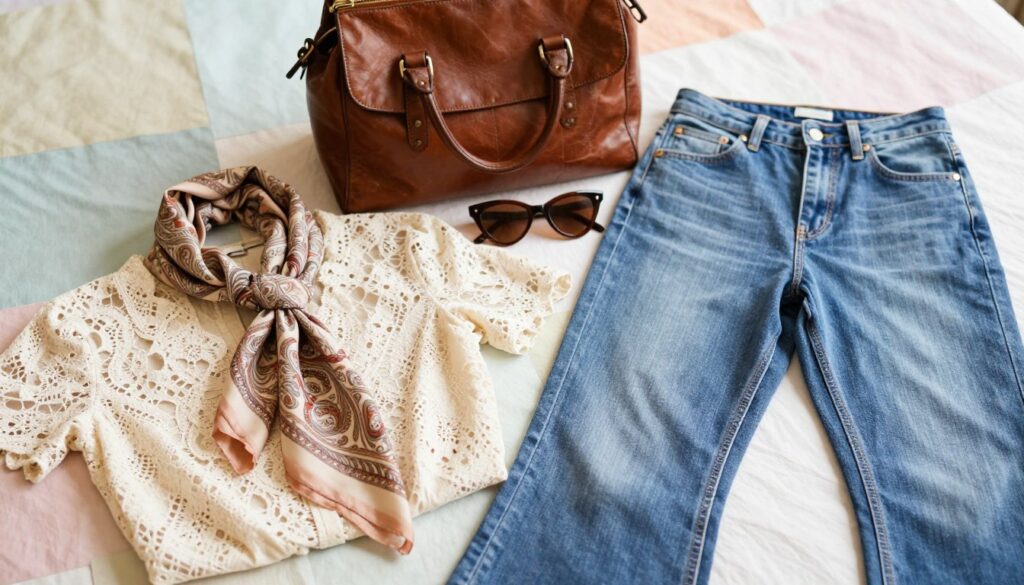
The growing popularity of garments from bygone eras reflects a desire for individuality and sustainability. Many people find joy in wearing pieces that tell a story.
Understanding the History and Appeal
Technically, items become vintage after twenty years. Antique status requires a century of history. This distinction helps collectors understand what they’re acquiring.
The appeal extends beyond mere age. Each piece represents craftsmanship from its time. Fashion from different decades showcases unique silhouettes and details.
Shopping for these treasures feels like a hunt. You never know what you’ll discover. The sustainable aspect also attracts modern consumers.
Identifying Authentic Vintage Elements
Look closely at clothing tags for clues. Copyright years and union labels help date garments accurately. These details separate genuine finds from reproductions.
Remember that thrift stores offer both modern resale and true vintage. Knowing the difference ensures you get what you want. Authentic pieces may show signs of wear but offer unmatched character.
Different eras produced distinct styles. The 1950s favored full skirts, while later decades embraced different trends. Understanding these nuances helps build a cohesive collection.
How to Style Vintage Clothing
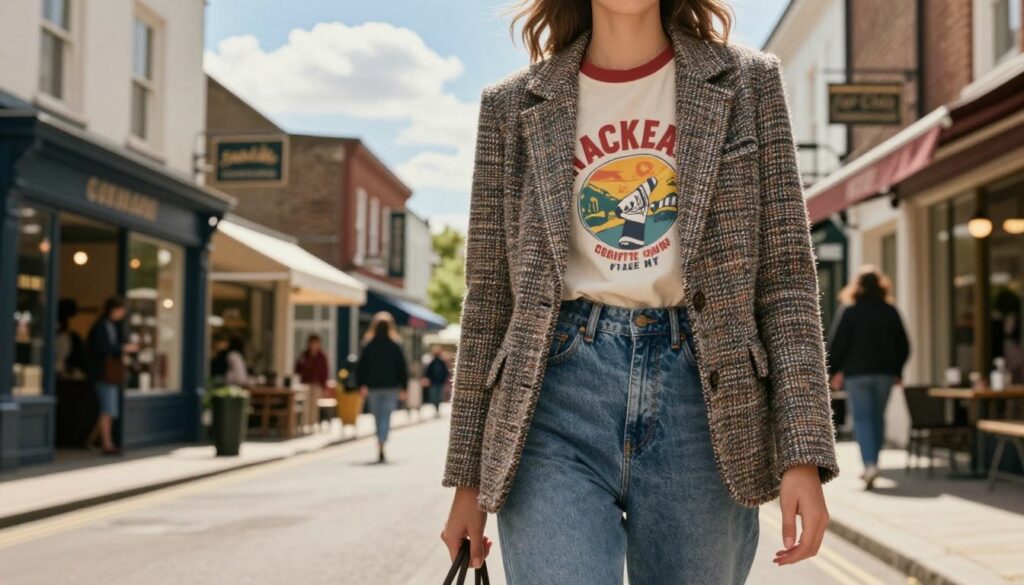
Your goal is to create an outfit that feels both unique and effortlessly modern. The key is a balanced mix, not a full period costume.
Start with a single standout garment. This could be a blouse with interesting details or a pair of trousers with a classic cut. Build your ensemble around this focal point.
Mixing Retro Pieces with Contemporary Basics
A great strategy is to pair one statement piece with modern basics. This keeps the silhouette fresh. For example, match a floral skirt with a simple solid-colored top.
Denim is a perfect modern anchor. Try a vintage graphic tee with current jeans and a sleek jacket. Or, combine a slip dress with minimalist sandals and a belt.
Contrasting shapes add sophistication. A flowy, retro blouse looks great with clean, straight-leg trousers. This creates a dynamic and polished look.
Accessorizing for a Timeless Look
Your choices for accessories are crucial. Modern jewelry, bags, and shoes ground the entire outfit in the present day.
Think clean lines and simple designs. A structured leather bag or minimalist gold necklace can balance a more ornate garment beautifully.
Quick Outfit Formulas
| Vintage Item | Modern Pairing | Result |
|---|---|---|
| Statement Blouse | Oversized Trousers, Belt | Sophisticated Contrast |
| A-Line Dress | Sleek Belt, Structured Jacket | Contemporary Elegance |
| Classic Trousers | Modern Blouse, Chunky Loafers | Effortlessly Chic |
These simple tips help you build a wardrobe that honors the past while living firmly in the now. Experiment and find what expresses your personal fashion best.
Balancing Modern Trends with Classic Vibes
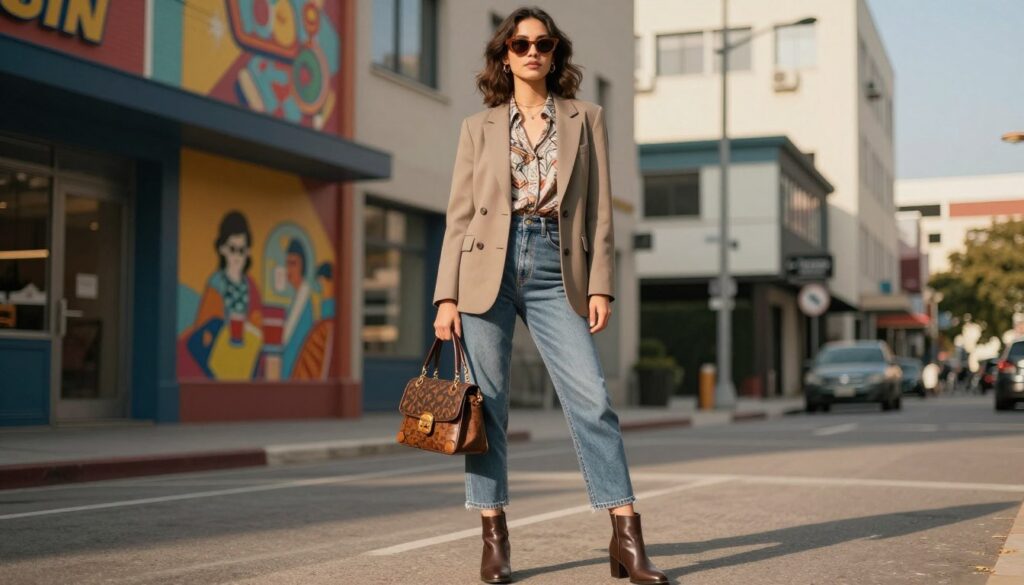
Letting a single, cherished piece from the past become the star of your outfit is a powerful styling technique. This approach creates a polished and intentional look that honors history without feeling dated. The goal is a seamless blend, not a time capsule.
Mastering this balance is an art. It requires a keen eye for pairing bold retro silhouettes and prints with clean, contemporary shapes. Think of your modern items as the supporting cast that lets the vintage star shine.
Choosing Modern Separates to Complement Vintage Finds
Your contemporary clothes should act as a neutral canvas. Simple, well-tailored trousers or dark wash jeans are perfect foundations. A crisp white shirt or a minimalist black jacket provides a sophisticated contrast to a vibrant vintage print.
This strategy works beautifully for statement items like a dress from the 90s. Ground it with modern accessories and footwear. Your beauty choices are equally important.
Keep hair and makeup current. Fresh skin and a relaxed hairstyle prevent the entire outfit from feeling like a costume. This lets your unique find take center stage.
Modern Anchors for Vintage Statements
| Vintage Centerpiece | Recommended Modern Pairing | Overall Effect |
|---|---|---|
| Embroidered Blouse (1970s) | Straight-Leg Denim, Sleek Belt | Boho-Chic |
| Patterned Maxi Skirt (1960s) | Fitted Black Top, Simple Sandals | Effortlessly Elegant |
| Statement Leather Jacket (1980s) | White T-Shirt, Dark Wash Jeans | Edgy and Timeless |
By understanding these connections, you build a wardrobe that feels both personal and perfectly in tune with the present time.
Vintage Outfit Inspirations by Decade
Many of today’s most sought-after silhouettes actually have deep roots in specific fashion decades. Want a slip dress? Look to the 1930s or 1990s. Interested in sheer styles? Explore pieces from the 1930s-1950s.
This makes shopping for older garments incredibly strategic for finding on-trend pieces. Once you identify which era popularized your desired look, search resale sites like Etsy.
Channeling the 1960s, 1970s & Beyond
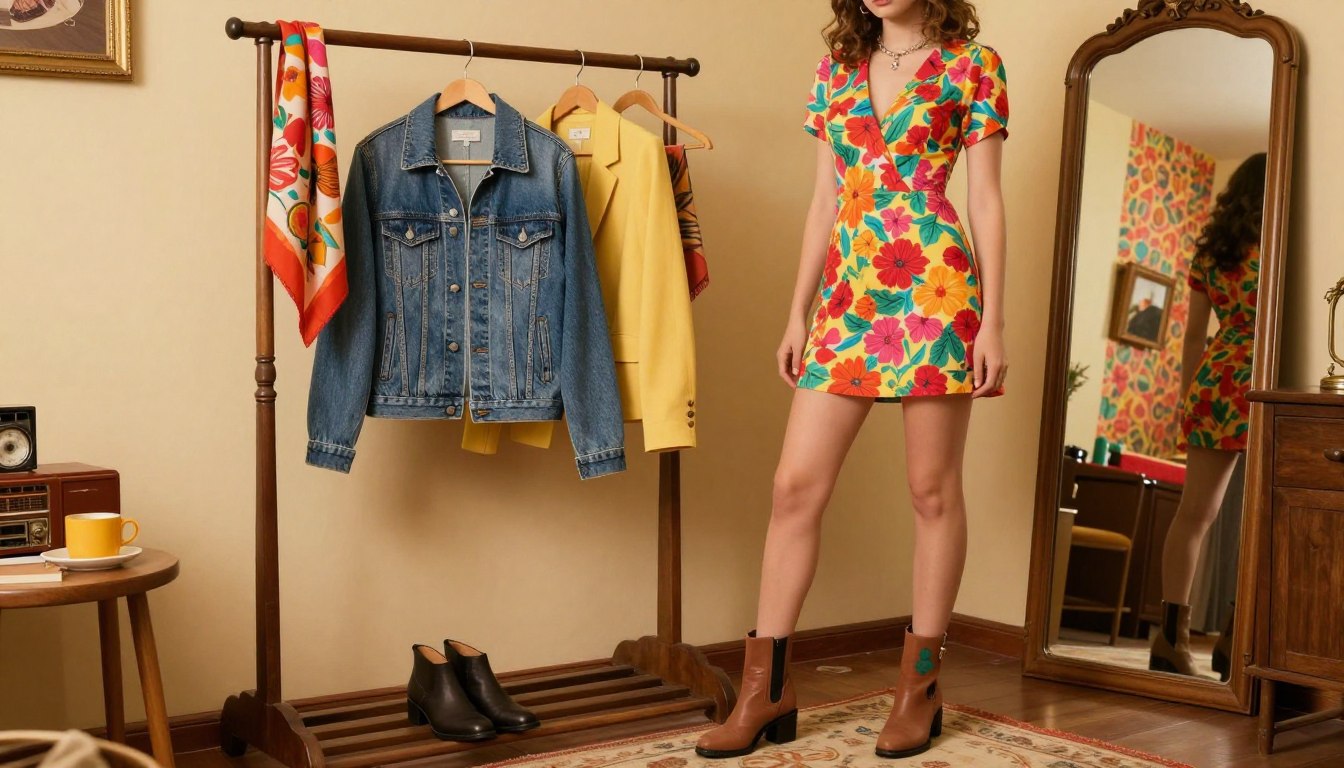
The 1960s brought playful boldness with shift dresses in vibrant hues. Ankle boots with block heels complete this polished look.
1970s fashion offers easygoing glamour. Think wide-leg flared jeans that lengthen legs. Pair them with soft peasant blouses featuring embroidery or ruffles.
Reviving 1980s and 1990s with a Modern Twist
1980s confidence shines through matching sets and sharp power blazers. Kitten heels add practical elegance to these strong silhouettes.
For 1990s nostalgia, try boxy button-down shirts in neutral tones. High-rise jeans with straight legs create balanced outfits. Stars like Sabrina Carpenter demonstrate this era’s ongoing relevance.
Each decade offers distinct fashion signatures. Understanding them helps you build a wardrobe that feels both personal and current.
Conclusion
Building a unique look is a journey of self-discovery, and vintage-inspired finds offer a powerful path forward. These timeless pieces allow you to express your personal style in a way that feels both fresh and meaningful.
The key tips we’ve shared are simple. Blend one standout retro piece with modern separates. Use contemporary accessories and beauty choices to ground your outfit firmly in the now.
Start small if you’re new to this. Add just one or two special items to your wardrobe. Remember, the goal is self-expression, not following rigid rules. Your fashion should be a joyful reflection of you.
So go explore with confidence. Whether you love the bold shapes of the 80s or the easy glamour of the 70s, there’s a world of inspiration waiting. Create an aesthetic that is uniquely and wonderfully yours.
FAQ
What exactly is considered “vintage” clothing?
How can I tell if a piece is authentic vintage?
I love a vintage dress, but it doesn’t fit perfectly. What should I do?
How do I mix a bold vintage statement piece with my modern wardrobe?
What are the best accessories to complete a vintage-inspired outfit?
Where are the best places to shop for vintage clothes?

Eduard Kingly is a travel and lifestyle content creator with a focus on personal development and education. He combines firsthand travel experiences with research-driven insights to guide readers in discovering new places, building better habits, and pursuing meaningful learning.