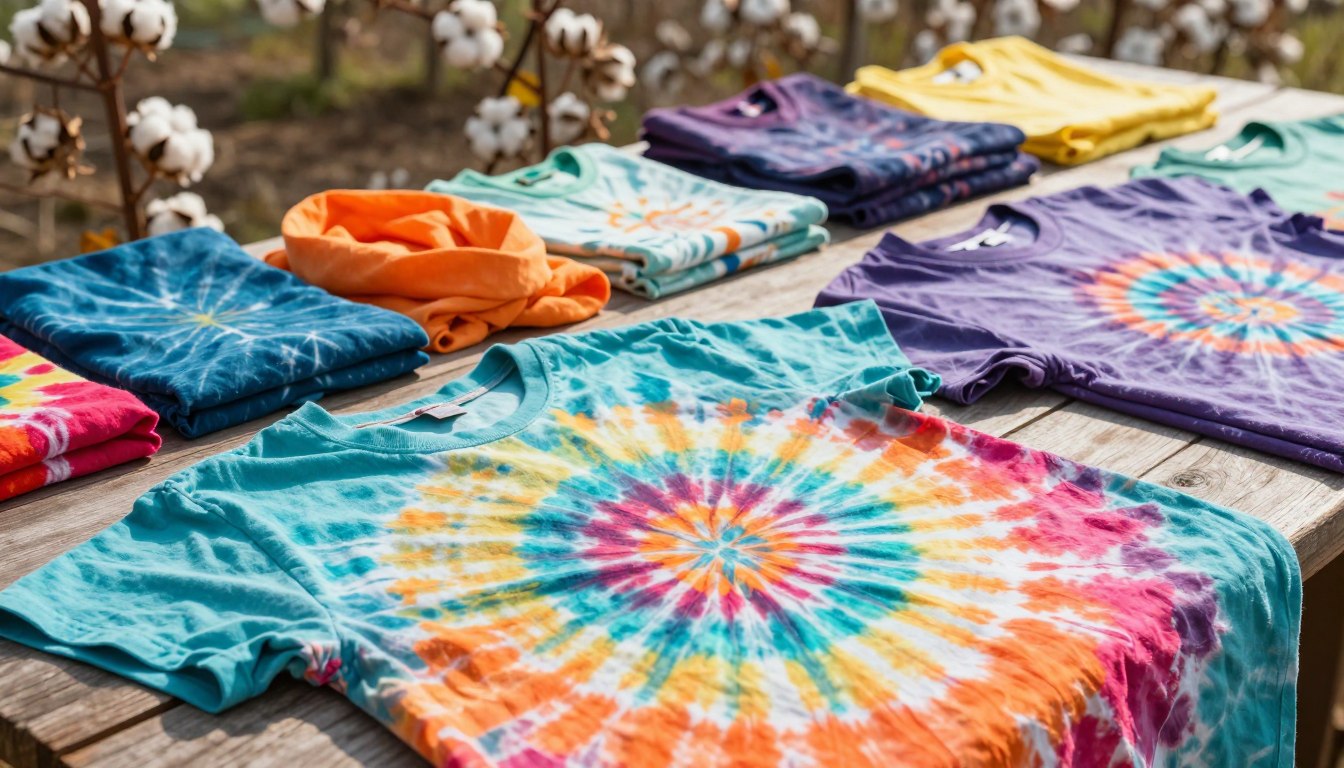
How to Tie-Dye Your Old Clothes
The great artist Pablo Picasso once said, “The purpose of art is washing the dust of daily life off our souls.” What better way to embrace this idea than by transforming the mundane items in your closet into vibrant expressions of personal creativity?
Welcome to the exciting world of fabric art! This ancient technique of resist-dyeing is a fantastic modern DIY project. It’s perfect for giving a second life to those faded or stained garments. You don’t need to be a professional artist to achieve stunning results.
This comprehensive guide will walk you through the entire process. We cover everything from selecting the right materials to mastering folding methods and mixing colors. The best part is the surprise when you untie the fabric to reveal your unique pattern.
Get ready to create wearable art that is completely your own. It’s a fun, eco-friendly, and budget-conscious activity. Let’s dive in and unlock your creative potential.
Key Takeaways
- Tie-dye is an ancient craft that lets you create one-of-a-kind patterns.
- This activity is accessible to everyone, requiring no special skills.
- It’s a perfect method for upcycling and personalizing old garments.
- The guide covers all steps from fabric selection to final care.
- Experimenting with color and folding techniques is part of the fun.
- You can save money and be environmentally friendly at the same time.
Introduction to the World of Tie-Dye
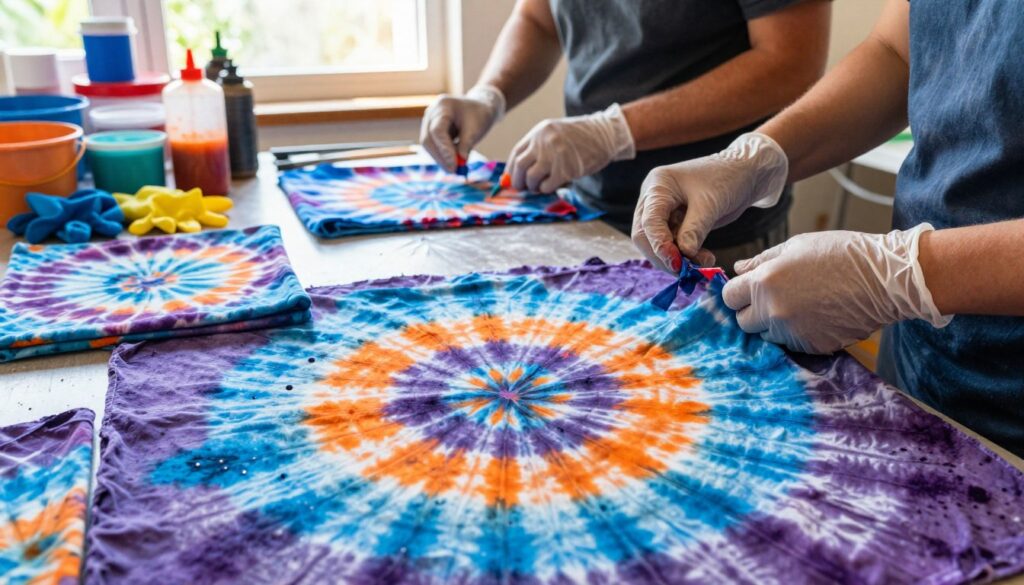
In today’s world of fast fashion, giving new life to tired wardrobe pieces feels especially rewarding. This creative practice connects us to ancient traditions while addressing modern concerns about waste.
Reviving Your Wardrobe with Color
Those faded jeans or stained t-shirts hiding in your closet deserve a second chance. With simple dye techniques, you can transform dull garments into vibrant statement pieces.
Experimenting with different colors and patterns lets you express your personal style. Each creation becomes a unique work of wearable art. No two items will ever look exactly alike.
This process turns practical necessity into creative opportunity. Instead of discarding old clothes, you give them new personality and purpose.
Why Tie-Dye is the Perfect DIY Activity
This craft requires minimal supplies and no special skills. Beginners achieve stunning results on their first attempt. The process is affordable and accessible to everyone.
Families and groups find it particularly enjoyable. Children love watching colors blend into unexpected patterns. It’s a hands-on activity that creates lasting memories.
While techniques like Shibori have rich global histories, modern approaches simplify the process. American-style dye methods make creativity easy for first-timers.
Choosing the Right Fabrics and Pre-Treatment
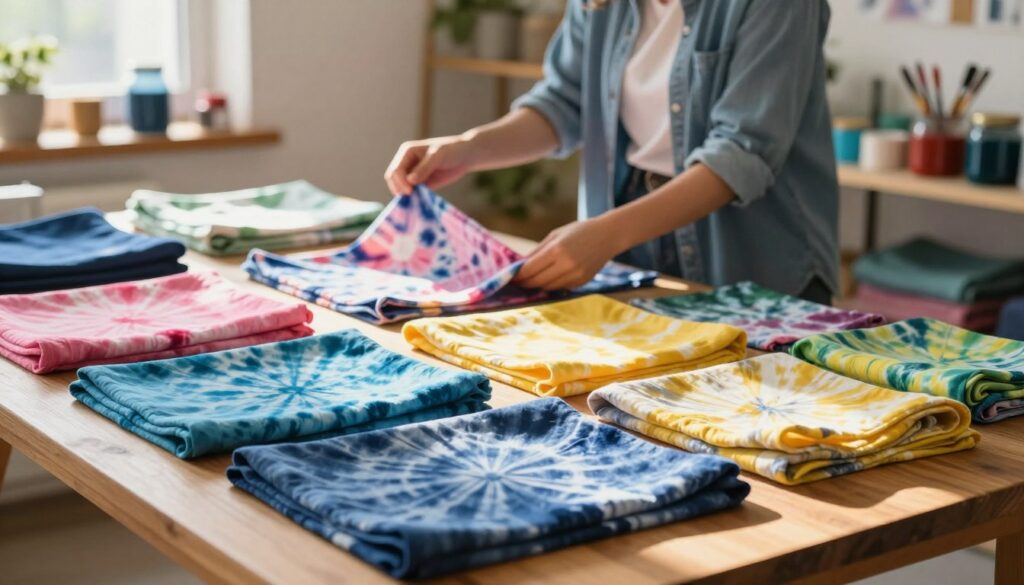
Your fabric choice is the single most important factor for vibrant, lasting results. The right material acts like a perfect canvas, ready to absorb and hold color brilliantly.
Let’s explore which textiles work best and the essential steps to prepare them for a successful project.
Selecting Natural and Blended Fabrics
For the most intense colors, natural fibers are your best friend. Dye molecules bond directly with these materials.
100% cotton is the gold standard. It absorbs dye beautifully, creating stunning patterns. Rayon, linen, and hemp are also excellent choices.
You can use blended fabrics, but follow the 50/50 rule. If a shirt is half cotton and half polyester, the color will be lighter. Synthetic fibers like polyester do not accept dye well.
Remember, light-colored or white clothing provides the best blank canvas for your designs.
Pre-Washing and Preparing Your Clothes
This step is non-negotiable for professional-looking results. Pre-washing removes invisible barriers like oils, dirt, and manufacturing residues.
Always wash a new garment in hot water. This removes “sizing,” a coating that can cause streaky, uneven dye absorption.
Never use fabric softener during this wash. It leaves a residue that repels color. A simple wash ensures your chosen item is perfectly prepared for the dye.
This preparation guarantees the color bonds correctly and lasts through many washes.
How to Tie-Dye Your Old Clothes
Before the creative fun begins, proper preparation ensures professional-looking results. Gathering the right supplies and understanding the chemistry behind the process will transform your project from amateur to amazing.
Gathering Your Dye Kits and Ingredients
Craft stores offer convenient all-in-one kits perfect for beginners. These packages include pre-measured dyes in squeeze bottles, rubber bands, gloves, and soda ash. Complete instructions make the process straightforward.
For more vibrant colors, experienced crafters prefer professional-grade options. Procion fiber reactive dyes from suppliers like Dharma Trading produce the brightest results. When mixing powder yourself, always wear a mask to avoid inhaling particles.
| Option | Best For | Ingredients Included | Color Intensity |
|---|---|---|---|
| Beginner Kits | First-time crafters | Pre-mixed dyes, soda ash, gloves | Good |
| Professional Dyes | Advanced projects | Powder dyes, separate fixers | Excellent |
| Single Packages | Specific colors | Individual dyes with instructions | Very Good |
Understanding the Science Behind Soda Ash and Water Temperature
The magic happens when you prepare a soda ash solution. Use 1 cup of soda ash fixer per gallon of warm water. The temperature should be lukewarm, around 105°F.
Add a couple tablespoons of salt to the mixture. Ensure everything dissolves completely before soaking your garment for 10 minutes. This step raises the fabric’s pH level to about 10.5.
This chemical environment allows fiber reactive dyes to form permanent covalent bonds. Never use hot water—it can inhibit the dyeing process. The right solution guarantees colors that won’t wash out.
Essential Tools and Materials for Tie-Dye Success
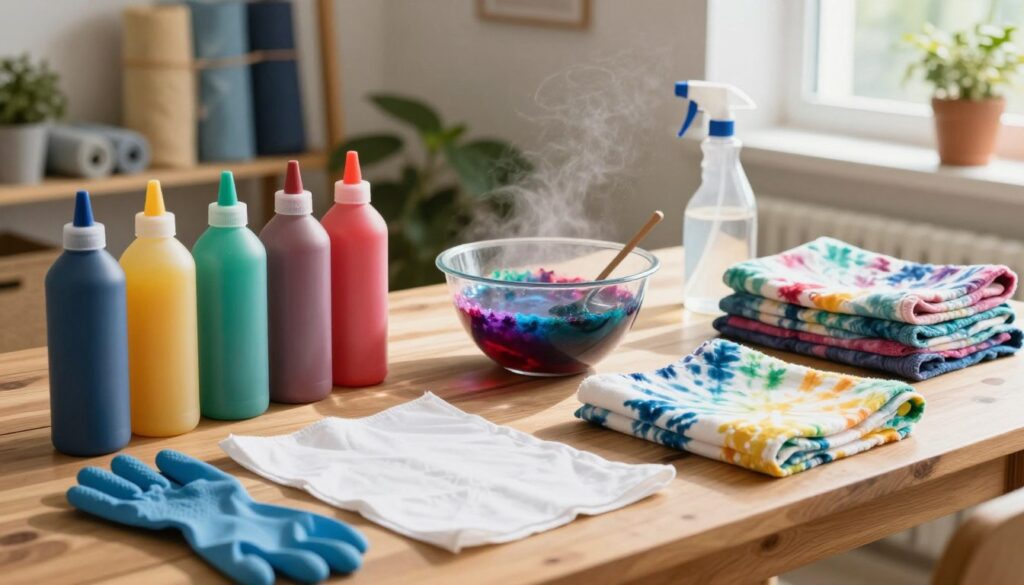
A well-organized workspace with the correct materials makes all the difference in achieving professional results. Gathering everything beforehand prevents interruptions and ensures a smooth creative flow.
Proper preparation transforms this activity from messy to manageable. Having your supplies organized saves time and reduces stress during the process.
Must-Have Equipment and Safety Gear
Quality rubber gloves are your first line of defense against colorful hands. Choose thick, durable gloves that provide full coverage. This simple item prevents stains that can last for days.
Cover your work area completely with plastic sheeting or a tablecloth. Elevate garments using old cooling racks for better dye penetration. Keep paper towels and rags nearby for quick cleanup.
For dye application, you’ll need squeeze bottles, funnels, and measuring cups. Rubber bands and string help create intricate patterns. Large ziplock bags are perfect for storing treated shirts during the setting process.
Wear old clothing and shoes you don’t mind staining. An apron provides extra protection. Keep a product like Reduran handy for accidental skin contact.
Organization is key to enjoying this creative process. Having everything within reach makes the whole thing more enjoyable and successful.
Creative Techniques and Patterns
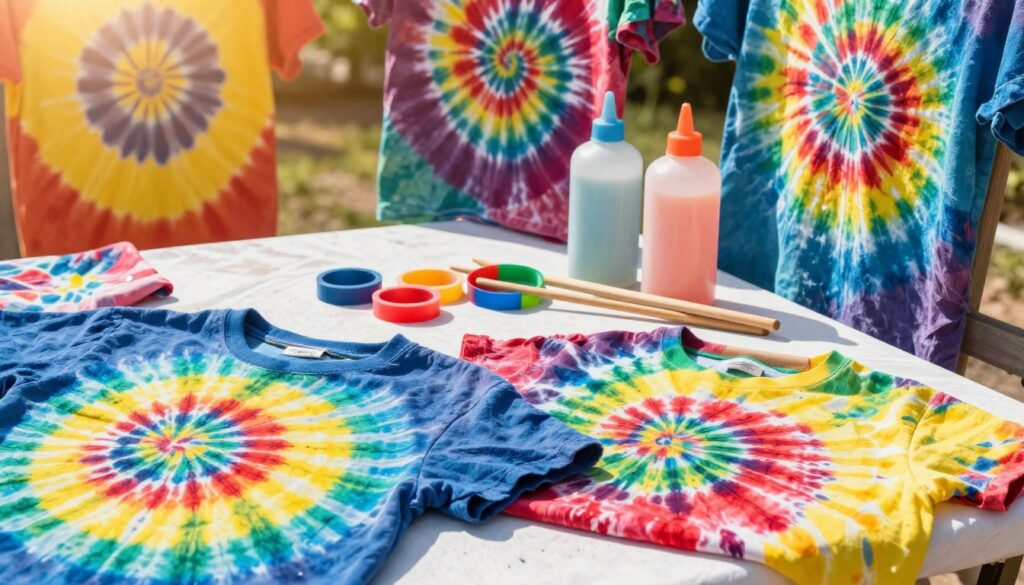
The true artistry of this craft emerges when you begin manipulating the fabric itself. This is the fun part where you decide the final look of your creation.
Careful preparation at this step is crucial. A neat tie creates a crisp, defined pattern, while a sloppy one leads to a muddy result.
Always start by placing your shirt right side down on a flat surface. This ensures the sharpest design appears on the front.
Folding, Tying, and Twisting Methods
For the iconic spiral, pinch the center of the fabric. Twist it clockwise into a flat “pie” shape. Secure it tightly with rubber bands.
To create a bullseye, select a central point. Wrap bands at even intervals to form concentric circles. This way, the dye will create a target-like effect.
You can also roll the garment for stripes or bind small sections with marbles for polka dots. Scrunching the material randomly produces a unique, jazzy texture.
Exploring Classic and Modern Designs
An ombré effect is achieved by dipping the shirt gradually into the dye. Keep the timing between dips consistent for a smooth color transition.
For those seeking more intricate designs, explore Shibori. This Japanese technique uses folding and binding to create stunning, layered patterns.
Following these instructions opens a world of color and design. Experimentation is key to finding your favorite way to create.
Tips and Tricks for Vibrant, Long-Lasting Colours
The difference between muddy disappointment and vibrant success often comes down to simple application strategies. Mastering these techniques will transform your results from amateur to professional.
Maintaining Consistent Dye Application
Always begin with light colors like yellow. Darker dyes will cover them completely. Work systematically from the center outward.
Inject the dye deep into fabric folds for complete coverage. Hold bottles close to prevent splattering. This step ensures vibrant patterns.
| Color Sequence | Application Time | Special Considerations |
|---|---|---|
| Yellow & Light Colors | First Application | Cannot be recovered if covered |
| Medium Colors | After Lights Dry | Creates secondary colors at edges |
| Dark Colors | Final Application | Provides definition and contrast |
Avoiding Common Pitfalls and Messy Mistakes
Use damp, not wet, clothing for best dye absorption. Soaking fabric dilutes colors and causes bleeding. Dry fabric creates uneven results.
Allow 30-60 minutes for colors to develop fully. Stir occasionally for even distribution. Make sure items stay submerged.
Practice on scrap fabric if this is your first time. Understanding how colors interact prevents surprises on favorite garments.
Post-Dye Care and Washing Instructions
Your creative journey doesn’t end when the dye is applied – the magic happens during the waiting period. Proper aftercare ensures your vibrant patterns become permanent additions to your wardrobe.
Place your treated item in a plastic bag immediately after dyeing. Seal it tightly to maintain moisture. This curing process allows the chemical bonding to complete.
Proper Rinsing and Setting the Colour
Let your creation cure for at least 4 hours. For the brightest colours, wait 24 hours. The dye needs this time to bond permanently with the fabric.
When unwrapping, wear rubber gloves and old clothing. Rinse the garment under cold running water while keeping the ties intact. This stops the dye reaction.
Next, rinse with warm water while removing bands and unfolding. Continue until the water runs clear. You’ll see significant excess dye wash out – this is normal.
Pre-fill your washing machine with hot water and professional detergent. Wash items separately for the first 2-3 cycles. Limit loads to prevent muddy water from affecting colours.
Some dyes benefit from vinegar or salt solutions for colorfastness. Follow package instructions carefully. With proper care, your vibrant designs will last through many washes.
Conclusion
You’ve now unlocked the power to transform forgotten garments into vibrant masterpieces. This creative skill turns old clothes into personalized treasures while reducing textile waste.
Your journey with fabric dye offers endless possibilities. Start with spirals and bullseyes, then explore advanced techniques. Each project builds your confidence and style.
Share your colorful creations and inspire others. Host crafting parties where friends can tie their own unique patterns. Teaching this rewarding craft spreads joy throughout your community.
Be warned—once you catch the creative bug, no white cotton item is safe! Those plain shirts and household things will call out for colorful transformation. Embrace this delightful obsession and keep experimenting with new ideas.
FAQ
What kind of fabric works best for tie-dye?
Do I really need to use soda ash?
How long should I let the dye set?
Can I tie-dye with items from my kitchen, like salt or vinegar?
What’s the best way to wash my tie-dye creation for the first time?
My colours turned out muddy. What did I do wrong?

Adam Peter is a finance, travel, and automotive writer with over a decade of experience. He creates clear, practical content to help readers manage their money, explore the world with confidence, and make informed decisions about cars and travel gear. His work blends expert insight with real-world usefulness.