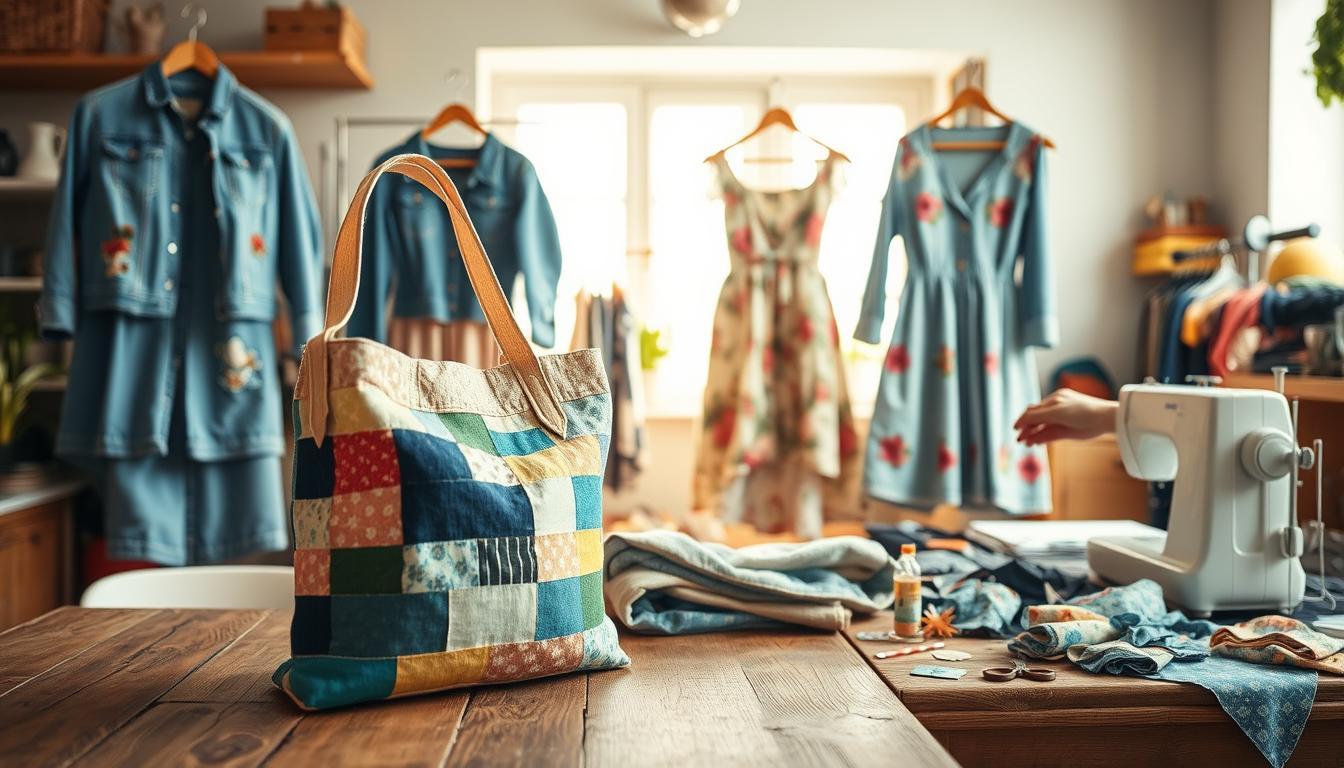
How to Upcycle Old Clothes: Easy DIY Projects
Did you know that the average American throws away 81 pounds of clothing each year? That staggering statistic highlights why creative reuse has become such an important movement in today’s fashion landscape.
Welcome to the wonderful world of transforming your wardrobe! This guide will show you how to breathe new life into garments that have been sitting unused. With just a few basic tools, you can create stunning pieces that reflect your unique personality.
Upcycling offers a fantastic solution for giving your clothing collection a fresh start. It’s not just about saving money—it’s about making sustainable choices that benefit our planet. Each transformed item means one less piece heading to the landfill.
Whether you’re a complete beginner or have some sewing experience, there’s something here for everyone. From simple repairs to complete makeovers, you’ll discover techniques that turn forgotten pieces into favorite outfits. Get ready to see your closet with new eyes!
Key Takeaways
- Transform unused garments into unique fashion statements
- Basic sewing tools are all you need to get started
- Creative reuse helps reduce environmental impact
- Projects range from simple repairs to complete redesigns
- Save money while expressing personal style
- Extend the life of your favorite pieces
- Contribute to sustainable fashion practices
Introduction: The Art of Upcycling Clothes
Creative reuse represents a growing movement that turns forgotten wardrobe pieces into personalized treasures. This approach goes beyond simple repairs, offering complete transformations that refresh your entire clothing collection.
What is Upcycling and Why It Matters
Upcycling involves transforming unused materials into something new and valuable. Unlike recycling, which breaks items down, this process enhances the original fabric while giving garments fresh purpose.
In today’s world of fast fashion, textile waste creates enormous environmental challenges. Creative reuse offers a practical solution that reduces landfill contributions significantly.
The Benefits of Reusing and Recycling Old Clothes
The environmental advantages extend beyond waste reduction. This practice conserves the water and energy typically used in manufacturing new clothing items.
Personal benefits include unique fashion statements that reflect individual style. Each transformed piece becomes a one-of-a-kind creation that showcases creative skills.
Many people find satisfaction in extending the life of their favorite garments. This approach combines cost savings with environmental responsibility in a meaningful way.
Why Upcycle Your Old Clothes?
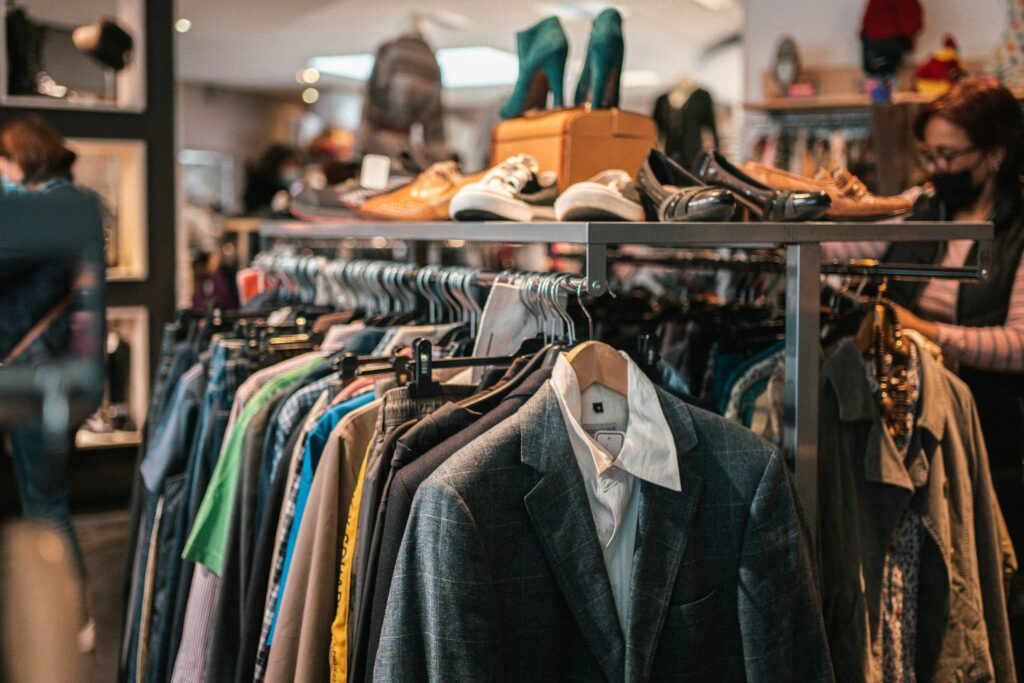
The practice of giving clothing new life extends far beyond creative expression, offering concrete environmental protection and budget-friendly solutions. This approach transforms your relationship with fashion while delivering measurable benefits.
Environmental and Cost-Saving Impacts
Creative reuse significantly reduces textile waste that would otherwise fill landfills. Synthetic fabrics can take centuries to decompose, creating long-term environmental challenges.
This process also decreases demand for new clothing production. Manufacturing new garments requires substantial water, energy, and chemical resources that upcycling avoids.
Financially, working with existing wardrobe items saves a lot of money compared to buying new pieces. Basic materials for transformations cost very little, making this accessible for any budget.
| Benefit Type | Environmental Impact | Financial Advantage | Personal Satisfaction |
|---|---|---|---|
| Waste Reduction | Less landfill contribution | No replacement costs | Eco-conscious achievement |
| Resource Conservation | Water and energy saved | Lower material expenses | Sustainable lifestyle pride |
| Garment Longevity | Extended product life cycle | Maximized clothing investment | Continued use of favorites |
Beyond practical advantages, this creative process becomes a fulfilling hobby. It allows personal style expression through unique items nobody else owns. Damaged pieces get repaired rather than discarded, preserving sentimental favorites.
Essential Tools & Materials for DIY Upcycling Projects
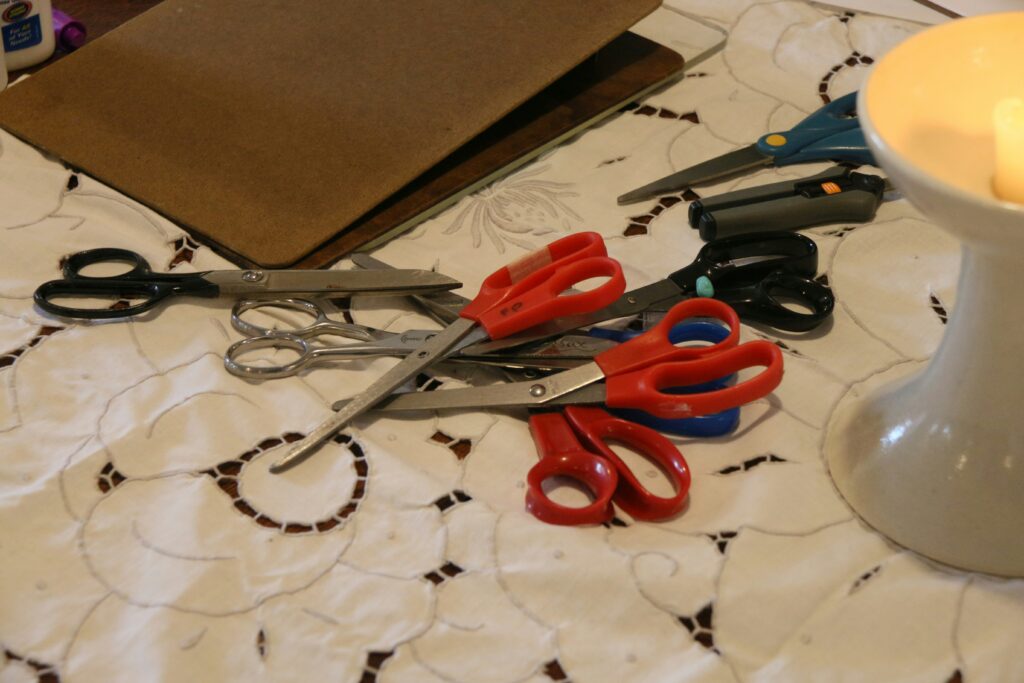
Gathering the right equipment makes your creative transformation journey smooth and enjoyable. You don’t need a professional workshop to begin giving garments a fresh purpose.
A basic kit handles most simple alterations and repairs. Starting with core items lets you build confidence before expanding your collection.
Must-Have Sewing Tools and Supplies
Your foundation includes sharp fabric scissors, hand needles, and strong thread. A seam ripper proves invaluable for correcting mistakes without damaging material.
Pins and a measuring tape ensure accuracy in your work. For more complex projects, a sewing machine speeds up the process significantly.
Consider adding a thimble to protect your fingers during hand-stitching. An iron helps press seams flat for a polished finish on all your creations.
Choosing the Right Fabrics and Accessories
Select materials based on your planned projects. Sturdy fabrics like denim or canvas work well for bags and reinforced items.
Lighter materials suit clothing transformations better. Embellishments like patches cover imperfections while adding personality.
Buttons, beads, and lace trims offer endless customization options. Quality materials make the process easier and results more durable.
Begin with a small selection of versatile supplies. Your toolkit will naturally grow as you discover what works for your unique style.
Finding Inspiration & Creative Ideas for Transformation
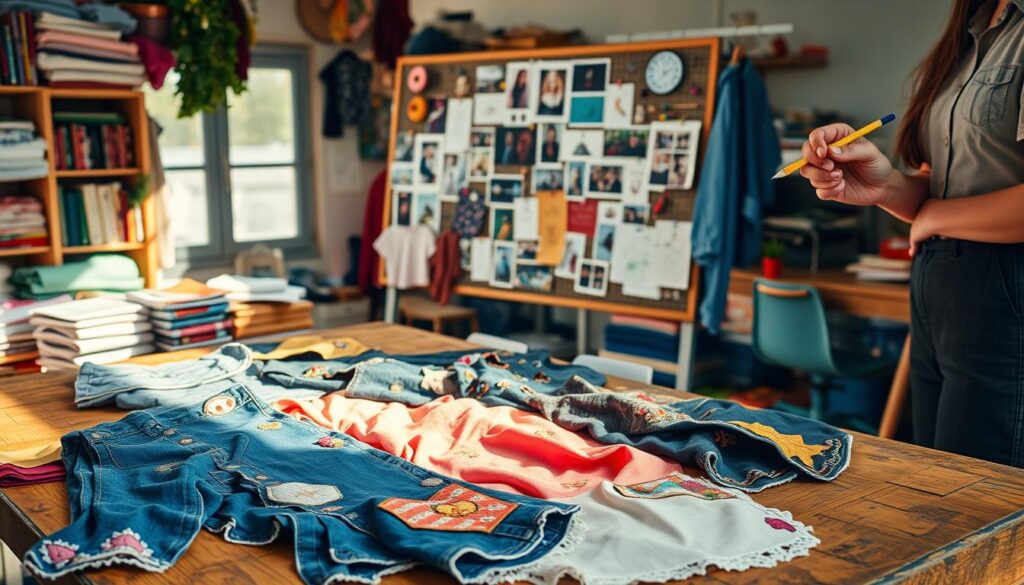
Before picking up scissors and thread, exploring online resources can ignite your imagination. Finding the right creative direction makes the transformation process more enjoyable and successful.
Digital platforms offer endless inspiration for breathing new life into garments. YouTube channels like Transformations By Tracy provide amazing video tutorials with loads of creative ideas.
Leveraging Online Guides and Expert Tips
My Styled Diaryy, a Surinamese sewing blogger, shares incredible transformation concepts. Portia Lawrie, known as the queen of garment renewal, offers numerous accessible patterns.
The Essentials Club features extensive video content with step-by-step demonstrations. Simply Sewing magazine’s special edition includes 16 fun projects designed to refresh your wardrobe.
Various blogs and websites provide specific technique guides. You’ll find embroidery instructions, tie-dye methods, and patchwork guides for beginners.
Following multiple creators exposes you to different styles and approaches. Each expert brings unique techniques that can spark your own creative vision.
Save favorite tutorials and create digital or physical inspiration boards. Collect color combinations and transformation concepts for future projects.
Spending time researching before starting helps develop a clear vision. This preparation increases confidence and makes the actual work more rewarding.
How to Upcycle Old Clothes
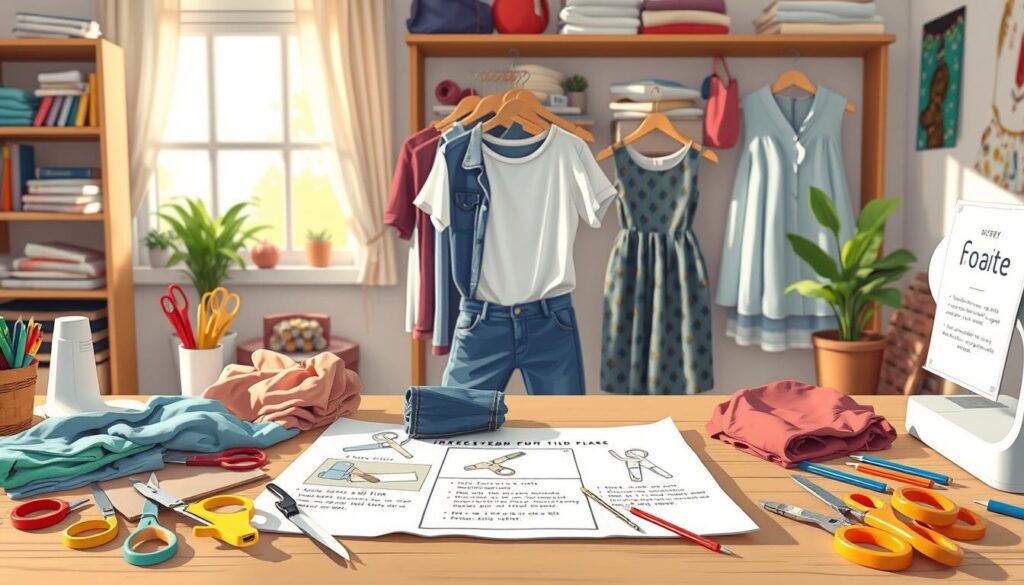
The transformation journey begins with simple techniques that anyone can master. Many refreshing changes require just basic cutting skills or removing sleeves to create entirely new silhouettes.
Starting with quick fixes builds confidence while delivering satisfying results. These approaches turn flaws into features through creative problem-solving.
Step-by-Step DIY Techniques
Beginner-friendly methods include adding contrasting pockets to basic tees. This makes garments both pretty and practical in one simple step.
Converting men’s shirts into wrap crop tops creates fashionable pieces with attractive bow details. Button-down shirts easily transform into trendy off-shoulder tops with gathered, relaxed shapes.
Intermediate skills include embroidery for adding patterns or covering imperfections. Fabric paint and markers allow personalized designs, while tie-dye creates vibrant, on-trend patterns.
Quick Fixes and Creative Touches
Patches creatively cover holes or stains while adding decorative elements. Replacing buttons with colorful alternatives instantly refreshes a garment’s appearance.
Repair tears with contrasting fabrics or decorative stitching that becomes part of the design. Adding beads and sequins introduces a bit of glamour to everyday items.
One textile artist notes:
“Visible mending celebrates the history of garments rather than hiding their stories.”
This technique uses contrasting thread and creative stitching patterns that enhance rather than conceal repairs.
| Skill Level | Quick Techniques | Time Investment | Tools Required |
|---|---|---|---|
| Beginner | Patch applications, button replacement | 15-30 minutes | Needle, thread, patches |
| Intermediate | Embroidery, fabric painting | 1-2 hours | Hoops, paint, markers |
| Advanced | Cuff replacement, fringe addition | 2-3 hours | Sewing machine, trim |
Each project teaches valuable skills that build upon each other. Starting simple and progressing gradually develops confidence and expertise in creative reuse.
Easy DIY Projects for T-Shirts and Jeans
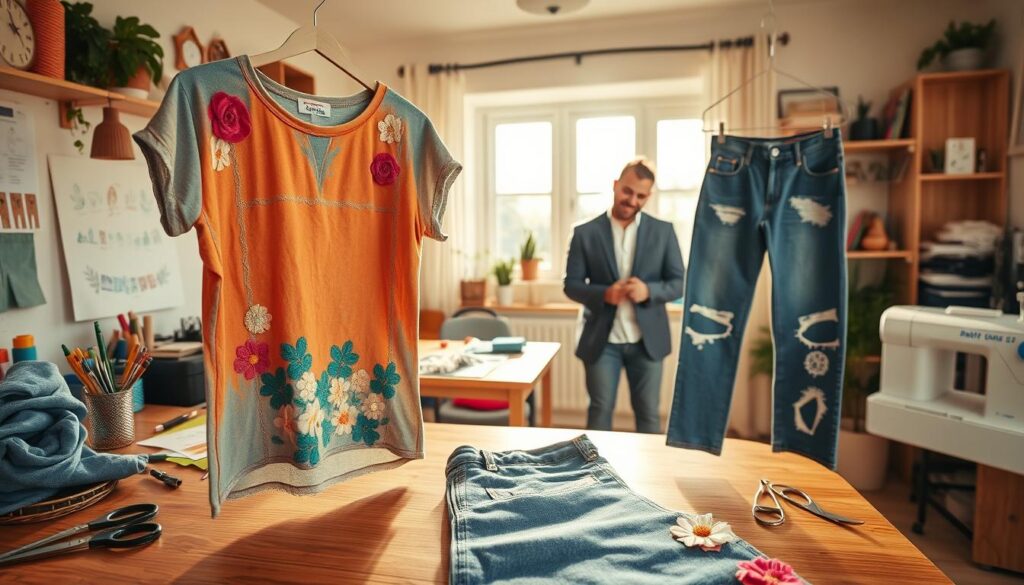
Your wardrobe’s most basic items hold incredible potential for creative reinvention. These foundational pieces serve as perfect canvases for developing your transformation skills.
Starting with simple modifications builds confidence while producing stunning results. Even beginners can achieve professional-looking outcomes with basic sewing techniques.
Transforming T-Shirts into Trendy Styles
T-shirts offer endless possibilities for creative projects. Add contrasting pockets to plain tees for both decorative appeal and practical function.
Convert men’s XL shirts into fashionable peplum tops with flowing silhouettes. Turn basic tank tops into fitted bodysuits that flatter various body types.
Neckline modifications create dramatic changes with minimal effort. Create V-neck styles or add choker details to t-shirt dresses for contemporary looks.
Turning Jeans into Chic Skirts or Shorts
Denim skirts remain summer staples that suit multiple occasions. Transform a pair of jeans into mid-length skirts customized to your preferred measurement.
Converting jeans into shorts provides warm-weather options quickly. These can be further modified into different lengths or distinctive styles like tulip skirts.
Add fabric panels to create trendy flared designs inspired by 70s fashion. Oversized tops can become comfortable surfer-style shorts through strategic cutting.
Each project teaches valuable skills while extending the life of beloved garments. Choose transformations matching your current ability while challenging yourself to learn new techniques.
Creative Upcycling Ideas for Jackets & Sweaters
When it comes to giving garments a fresh identity, jackets and sweaters provide ideal canvases for artistic expression and practical transformations. Their structured fabrics and generous surface areas allow for bold customization that completely redefines your seasonal staples.
Customizing with Patches, Embroidery & Visible Mending
Outerwear pieces offer fantastic opportunities for creative projects. Simple lapel pins and badges require no sewing skills yet deliver instant personality. Custom leather patches work beautifully on leather jackets, while embroidered patches complement workwear fabrics like canvas and corduroy.
Embroidery goes beyond mere repairs, allowing you to add personal touches with patterns and lettering. This technique transforms basic items into unique statements that reflect your individual style.
Visible mending turns flaws into features using decorative patterns and contrasting thread. This approach celebrates a garment’s history while providing practical repairs. It gives outfits an artistic edge that stands out.
Sweaters that have become too tight can become cute button cardigans perfect for layering. Sewing together pieces from different sweaters creates patchwork jumpers with incredible texture and color combinations.
| Transformation | Skill Level | Key Tools | Time Investment |
|---|---|---|---|
| Patch Application | Beginner | Iron, patches | 15-30 minutes |
| Embroidery Designs | Intermediate | Hoops, thread | 1-2 hours |
| Cardigan Conversion | Advanced | Sewing machine, buttons | 2-3 hours |
| Patchwork Creation | Intermediate | Sharp scissors, needle | 3-4 hours |
Other creative ideas include turning sweaters into comfortable pencil skirts or fashioning snuggly ponchos from large men’s sweaters. These thicker fabrics require appropriate needles but yield durable, professional-looking results.
Accessorizing Your Wardrobe Through Upcycling
Creating unique accessories from existing garments adds personality to your style while reducing textile waste. This approach extends creative reuse beyond clothing into practical everyday items.
Making Unique Bags, Hats, and Jewelry from Old Garments
Transform jeans and t-shirts into stylish tote bags or pencil cases. These projects work well for beginners. A simple scarf becomes a summer cover-up for beach trips.
Button-down shirts and silk neckties make elegant wine gift bags. Outgrown children’s t-shirts create reusable produce bags for farmers markets. Custom enamel pins offer non-sewing customization options.
Shoulder pads from vintage blouses become practical sunglasses cases. Multiple silk ties can form festive wreaths for seasonal decor. These smaller projects build confidence before tackling larger transformations.
| Accessory Type | Source Materials | Skill Level | Time Required |
|---|---|---|---|
| Tote Bag | Old jeans, t-shirts | Beginner | 1-2 hours |
| Scarf Cover-up | Lightweight fabric | Beginner | 15 minutes |
| Wine Gift Bag | Button-down shirt | Intermediate | 45 minutes |
| Sunglasses Case | Shoulder pads | Beginner | 30 minutes |
Each accessory project teaches valuable skills. They complement your wardrobe while expressing personal style. This creative approach makes fashion more sustainable and unique.
Upcycling to Enhance Your Home Decor
Your home can become a gallery of personal expression through textile transformations. Creative fabric reuse extends far beyond wearable items, offering countless ways to transform garments into beautiful, functional pieces.
These projects add unique personality to your living space while giving fabrics a purposeful second life. Damaged or stained clothing finds perfect new roles in decorative applications.
DIY Projects: Throw Rugs, Pillows, and More
Pillow creations offer fantastic savings compared to store-bought decorative items. Turn stretched-out sweaters into cozy throw pillows for your sofa or bed.
Specialized pillows like aromatherapy eye cases provide relaxation benefits. Silky scarves filled with lavender create soothing comforts.
Textile home items include throw rugs from shrunken sweaters. These become artistic floor pieces with wonderful texture.
One designer notes:
“Home décor transformations allow fabrics to tell new stories in different spaces.”
Seasonal decorations bring holiday cheer through creative reuse. Orange cable knit sweaters become Halloween embroidery with pumpkin-like ridges.
| Project Type | Source Materials | Skill Level | Time Required |
|---|---|---|---|
| Throw Pillows | Stretched sweaters | Beginner | 1 hour |
| Draft Blockers | Flannel shirts | Intermediate | 45 minutes |
| Decorative Coasters | Tweed fabric swatches | Beginner | 30 minutes |
| Pet Beds | Old t-shirts, boxes | Beginner | 20 minutes |
Sentimental projects preserve memories beautifully. Toddler-sized flannel shirts transform into tooth fairy pillows celebrating childhood.
Every piece finds purposeful renewal in your living environment. This approach ensures nothing goes to waste while enhancing your home’s character.
Upcycling as a Sustainable Lifestyle and Creative Hobby
What begins as simple garment alterations often grows into a deeply rewarding personal philosophy. This approach transforms textile renewal from occasional projects into a meaningful sustainable practice.
Many discover that this creative hobby offers more than just practical skills. It becomes a fulfilling way to express personal style while making eco-conscious choices.
Integrating Upcycling into Daily Life
Making textile transformation part of your routine requires some planning. Set aside regular time for projects, even if it’s just thirty minutes weekly.
Maintain a designated space for supplies and works-in-progress. Keep an ongoing list of items in your closet that could use refreshing.
This practice significantly reduces your environmental footprint. Each transformed piece means less textile waste in landfills.
One enthusiast shares:
“The satisfaction of creating something unique from existing materials is incredibly rewarding.”
Balance your creative projects with mindful purchasing decisions. Combine renewed clothes with quality sustainable fashion pieces for a complete wardrobe.
View your closet as a resource full of potential. This mindset shift transforms your relationship with clothing entirely.
Conclusion
Discovering the hidden potential in your wardrobe creates a sustainable cycle of creativity. You’ve seen how simple projects can transform garments and reduce waste.
Upcycling offers fantastic benefits. You save money, express personal style, and keep items from becoming trash. Every piece in your closet holds new possibilities.
Start with a simple project that matches your skill level. A bit of time and basic sewing can give clothes a fresh look and purpose.
Embrace this creative hobby. Turn forgotten pieces into something you love. Your ideas and inspiration can make a real difference, one project at a time.
FAQ
What is the difference between upcycling and recycling clothes?
I’m new to sewing. Are there easy projects for beginners?
Where can I find inspiration for my upcycling projects?
What basic tools do I need to start upcycling my wardrobe?
Can I upcycle clothes that are stained or damaged?
How can upcycling save me money?
What are some creative ways to use old t-shirts?

Eduard Kingly is a travel and lifestyle content creator with a focus on personal development and education. He combines firsthand travel experiences with research-driven insights to guide readers in discovering new places, building better habits, and pursuing meaningful learning.