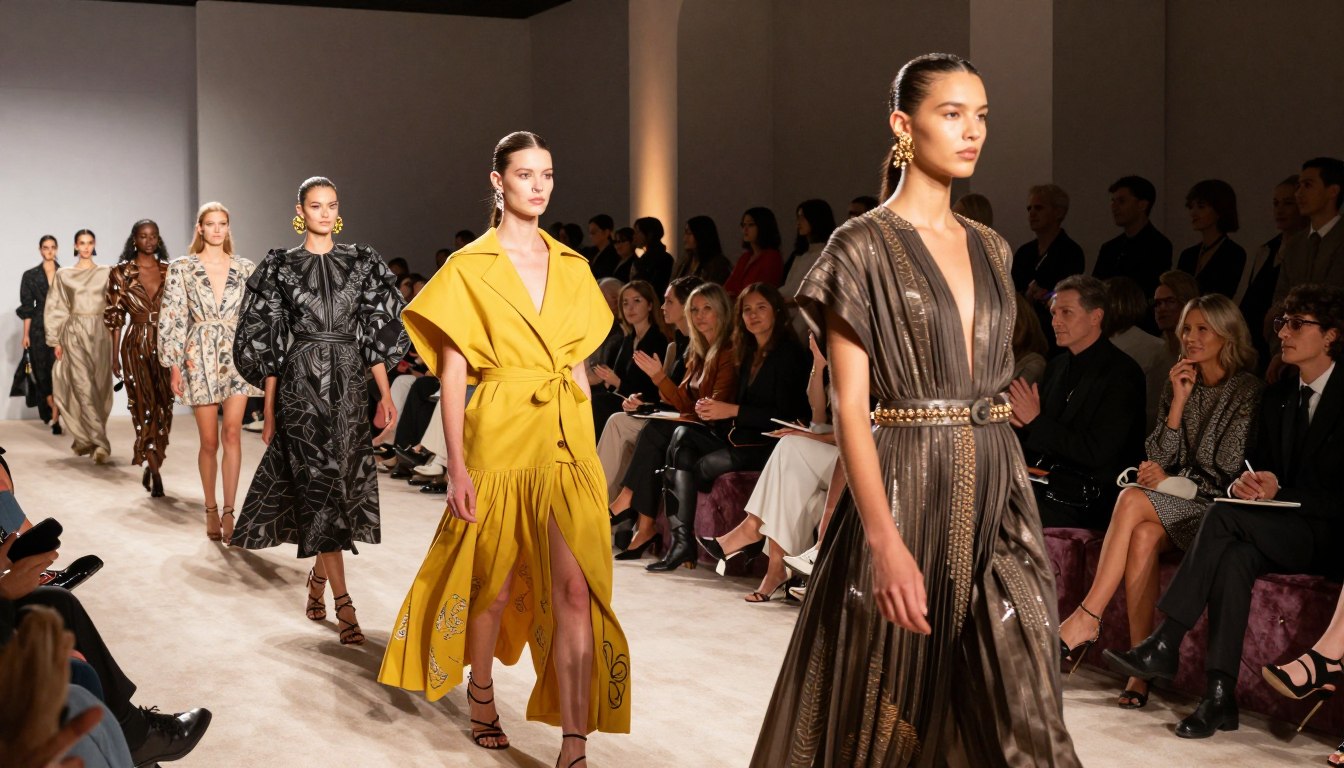
Luxury Fashion Trends You Must Know
“Fashion is not something that exists in dresses only. Fashion is in the sky, in the street, fashion has to do with ideas, the way we live, what is happening.” – Coco Chanel’s timeless words perfectly capture how the world of high-end style transformed in 2025.
Last year marked a revolutionary period for the industry. Over twenty new creative directors stepped into leadership roles at heritage houses. They brought fresh vision while respecting timeless craftsmanship.
The landscape evolved beyond traditional status symbols. Brands embraced storytelling, sustainability, and meaningful connections with audiences. Experiential retail became a cornerstone of the shopping journey.
Fine jewelry and watches saw explosive growth. Vintage and archival pieces made a significant comeback. Consumers demonstrated a clear preference for items with longevity and emotional resonance.
This analysis explores the data, sales figures, and expert perspectives that defined the year. We examine what truly resonated with shoppers and where the industry is heading next.
Key Takeaways
- 2025 saw over 20 creative director appointments at major heritage brands
- The industry shifted from status symbols to storytelling and sustainability
- Experiential retail became a crucial element of brand strategy
- Fine jewelry, watches, and vintage pieces gained significant popularity
- Consumers prioritized items with longevity and emotional connection
- Data-driven insights reveal what truly resonated with shoppers
- The trends set the stage for continued evolution in 2026 and beyond
Introduction to Today’s Luxury Fashion Landscape
A fundamental transformation is underway in how affluent shoppers approach their purchases. The retail sector faces economic challenges while adapting to new buyer expectations.
Overview of the Current Market
The premium goods industry navigates slowing global demand. Brands compete intensely for a smaller pool of buyers. Yet stabilization appears likely between 2025 and 2029.
Younger customers building wealth will drive moderate growth. Accessible categories like beauty attract nearly 75% of US adults. They view these products as appearance investments.
Key Shifts in Consumer Behavior
Shopping patterns show greater price sensitivity alongside quality demands. People want meaningful brand connections and transparent practices. The move from impulse buying to intentional investment marks a significant change.
Apparel and accessories draw new shoppers with lower price points. Jewelry and watches serve as investment pieces for affluent groups. Today’s landscape features informed, selective customers willing to wait for perfect items.
| Consumer Behavior | Pre-2025 Pattern | 2025 Shift |
|---|---|---|
| Purchase Motivation | Status symbols | Value alignment |
| Spending Approach | Impulse buying | Intentional investment |
| Brand Expectations | Product quality | Transparency & storytelling |
| Price Sensitivity | Less considered | More calculated |
This behavioral evolution reflects deeper desires for purchases aligning with personal values. The market adapts to these changing preferences while maintaining quality standards.
Exploring Luxury Fashion Trends You Must Know
Major fashion houses welcomed over twenty new creative directors in 2025, signaling a transformative period. This wave of appointments brought fresh energy to established labels while honoring their rich histories.
Runway Debuts and Heritage Revivals
Matthieu Blazy’s inaugural show for Chanel captured the bold spirit of these debuts. He explained his approach to Business of Fashion: “We can go two ways. Either we do a clean, modern, by the codes, by the book Chanel show, and it’s a first step. Or we do this show as if it were our last. I took the last option.”
Jonathan Anderson at Dior and Louise Trotter at Bottega Veneta similarly balanced respect for archives with contemporary vision. Their collections demonstrated how designer talent can revitalize heritage brands.
Impact on Future Collections
The immediate response from clients confirmed the success of this approach. Pre-orders flowed in rapidly after runway presentations. Customers specifically requested archival-inspired pieces that felt both familiar and innovative.
Industry experts noted the strongest shows successfully honored brand DNA while introducing fresh elements. This fusion established a new template for how luxury brands can honor their past while staying relevant.
| Creative Direction Approach | Pre-2025 Strategy | 2025 Evolution |
|---|---|---|
| Archival Inspiration | Literal reinterpretations | Contemporary filtering |
| Designer Vision | Strict adherence to codes | Bold personal interpretation |
| Client Response | Gradual adoption | Immediate pre-order demand |
| Future Impact | Seasonal adjustments | Structural transformation |
These creative shake-ups represent more than seasonal trends. They signal a pivotal moment that will reshape where the industry is headed in coming decades.
Creative Director Shake-ups and Their Impact
Creative director appointments dominated industry conversations throughout 2025, bringing fresh perspectives to established labels. These leadership changes signaled a pivotal moment for heritage houses seeking renewed relevance.
Notable Appointments and Their Visions
Matthieu Blazy’s arrival at Chanel generated tremendous excitement. His debut collection struck a perfect balance between familiarity and innovation. Luxury product sourcer Gab Waller described it as “familiar, but not repetitive,” sparking immediate pre-order requests.
Michael Rider brought refined sophistication to Celine with precise shirting and structured outerwear. His reimagined bag silhouettes, including the Smile Tote, quickly gained traction among discerning clients.
Jonathan Anderson’s approach at Dior demonstrated what experts call “clear authorship.” He honored the brand’s heritage while introducing contemporary elements with intentional detail.
Louise Trotter emphasized Bottega Veneta’s “Craft Is Our Language” philosophy. She highlighted artisanal techniques and the creative talent behind each design.
Grace Bonner Wales’s appointment as menswear director at Hermès promised fresh perspectives. However, not all transitions succeeded—Dario Vitale departed Versace after just one season following the Prada Group acquisition.
How New Leadership Redefines Style
These appointments show how new creative direction can reshape entire brand identities. Each designer brought unique storytelling approaches that extended beyond seasonal collections.
The impact reaches further than aesthetic changes. It influences brand positioning, archive utilization, and signature piece creation that will define future luxury.
| Designer Approach | Brand Impact | Client Response |
|---|---|---|
| Heritage Respect with Innovation | Renewed Relevance | Immediate Pre-orders |
| Clear Authorial Vision | Distinct Identity | Strong Brand Loyalty |
| Artisanal Emphasis | Craftsmanship Focus | Investment Mindset |
| Contemporary Filtering | Modern Appeal | Younger Audience Engagement |
These leadership changes represent more than personnel shifts. They establish new creative templates that will influence design philosophy for years to come.
Signature Items and Statement Pieces in 2025
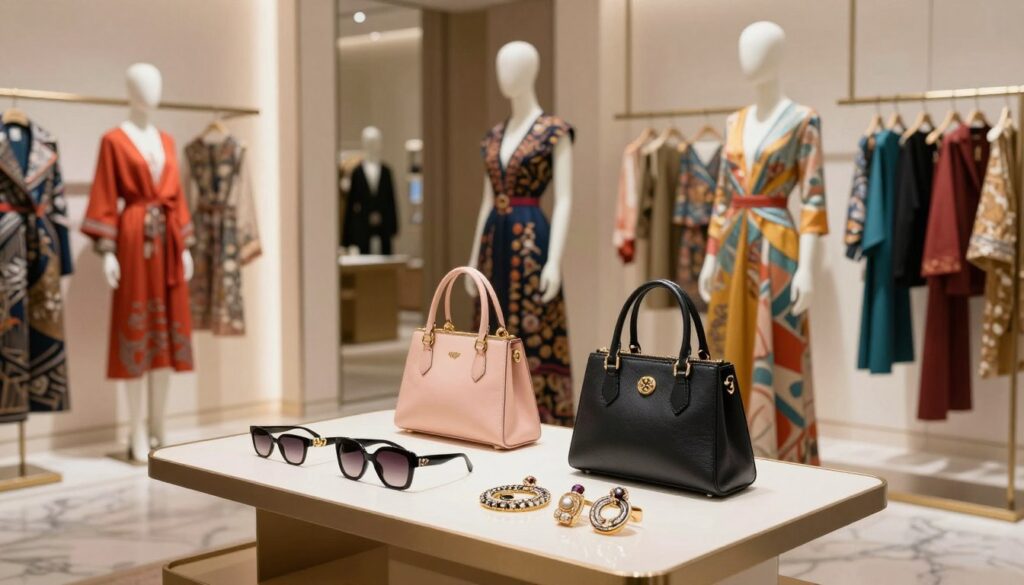
The most sought-after items of 2025 revealed a significant shift in purchasing priorities. Specific products emerged as clear winners, defining what resonated with consumers.
Iconic Collections and Must-Have Pieces
The Chanel 25 bag dominated conversations and sales throughout the year. Luxury product sourcer Gab Waller noted clients requested “every size, every color, every fabrication” through direct messages. This accessory launched during the spring/summer runway show and continued appearing in new versions.
Ralph Lauren experienced unprecedented demand for signature pieces like preppy polo shirts and cable knits. The newly released Play bag also attracted younger shoppers entering the premium market. Cartier timepieces proved especially popular across their classic collections.
Data-Driven Sales Insights
Industry data showed a clear move toward longevity and wearability. Moda Operandi President April Hennig observed clients rejecting pieces that felt trivial or limited to single occasions.
Sourcewhere founder Erica Wright added insight about shopping behavior. “We saw clients increasingly gravitating toward pieces that are classic and less statement,” she noted. This underscores a shift toward items that ground a wardrobe rather than overpower it.
The value proposition transformed from uniqueness to versatility. Shoppers now ask “how often can I wear this piece” rather than “how unique is this piece.” This change influences what premium brands prioritize in product development.
Heritage and Archival Storytelling in Luxury
Nostalgia became a powerful force shaping the luxury landscape in 2025. Brands discovered that their own histories offered rich material for contemporary relevance. This shift toward archival storytelling created deeper emotional connections with shoppers.
Revisiting the Past with Modern Flair
Ralph Lauren exemplified this approach by reprising pieces from previous runway shows. Their special drops resonated with both established clients and younger audiences entering the premium shopping world. The bourgeois style trend also resurrected timeless prep aesthetics with modern sophistication.
Nineties-coded editorials appeared in major campaigns, including Theo Wenner’s photography for Vanity Fair and Dior. Industry expert Julia Rabinowitsch observed: “Brands are taking the time to emphasize archival storytelling. Shoppers want a story and connection to what they are buying.”
The commercial impact was significant. The vintage luxury market grew 9% from $34.79 billion in 2024 to approximately $37.95 billion in 2025. On shopping platform Sourcewhere, vintage items accounted for 40% of all client requests.
| Archival Approach | Pre-2025 Strategy | 2025 Evolution |
|---|---|---|
| Brand Storytelling | Historical references | Emotional narrative focus |
| Archive Utilization | Limited reissues | Integrated collection drops |
| Consumer Response | Niche interest | Mainstream demand |
| Commercial Value | Secondary market | Direct brand programs |
Major brands including Ralph Lauren, Armani, Coach, and Gucci now offer vintage resale programs. This allows customers to purchase curated archival items directly from fashion houses. The approach blends rich heritage with contemporary demands for authenticity.
Timeless Investments and Quality Craftsmanship
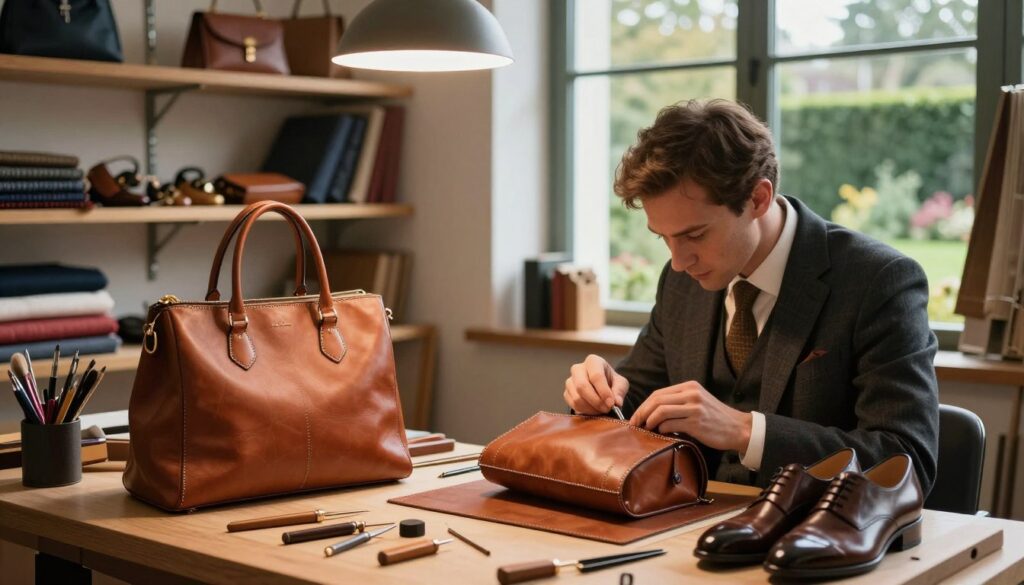
Consumers demonstrated a clear preference for heritage quality over temporary style statements in 2025. The market shifted toward pieces with lasting appeal rather than seasonal novelties.
Long-term Value Over Trend-Driven Buys
Julia Rabinowitsch observed the growing momentum for Ralph Lauren, noting its aspirational aesthetic found fresh relevance. This reflects a broader move toward timeless investments.
Shoppers increasingly sought items that would endure for decades. The focus shifted from novelty to enduring quality and craftsmanship.
Spotlight on Iconic Brands
Matthieu Blazy’s Chanel debut featured a strategic partnership with Charvet, a 200-year-old tailoring specialist. This collaboration highlighted premium materials and exceptional construction.
Bottega Veneta’s “Craft Is Our Language” campaign showcased artisans working their signature intrecciato technique. Loewe provided intimate looks at their Amazona 180 bag’s handcrafted creation process.
Chanel celebrated 50 years with Mantero by reissuing archival scarves. These luxury brands understand that long-term value comes from superior materials and transparent storytelling about craftsmanship.
Sustainable Luxury and Transparent Supply Chains
Sustainability evolved from a marketing buzzword to a core operational strategy for leading brands. This shift reflects a fundamental change in what shoppers expect from their purchases.
Younger generations are driving this transformation. Over half of Gen Z and Millennial shoppers express serious concern about brand ethics. They actively seek out companies that embrace circular business models.
Ethical Practices and Innovation
Brands are responding with genuine action. There is a strong move towards resale, rental, and repair services. These options extend product lifecycles and reduce waste.
Services like Nuuly, from Urban Outfitters, offer access to contemporary pieces without ownership. This model is growing rapidly among conscious consumers.
Innovation is key to building trust. Brands now invest in blockchain tracking and digital certificates. This technology provides proof of authenticity and material origins.
Shoppers demand detailed information about sourcing and labor practices. A transparent supply chain is no longer a bonus but a requirement.
| Supply Chain Aspect | Traditional Approach | Modern Expectation |
|---|---|---|
| Material Sourcing | Opaque origins | Fully traceable materials |
| Production Methods | Closed-door processes | Ethical labor transparency |
| Product Lifespan | Linear (buy-use-discard) | Circular (resale/repair/rental) |
| Authentication | Physical certificates | Digital blockchain proof |
This focus on durability strengthens the link between sustainability and quality. Long-lasting construction is a powerful environmental and economic value proposition for today’s informed shoppers.
Experiential Retail: Beyond Traditional Shopping
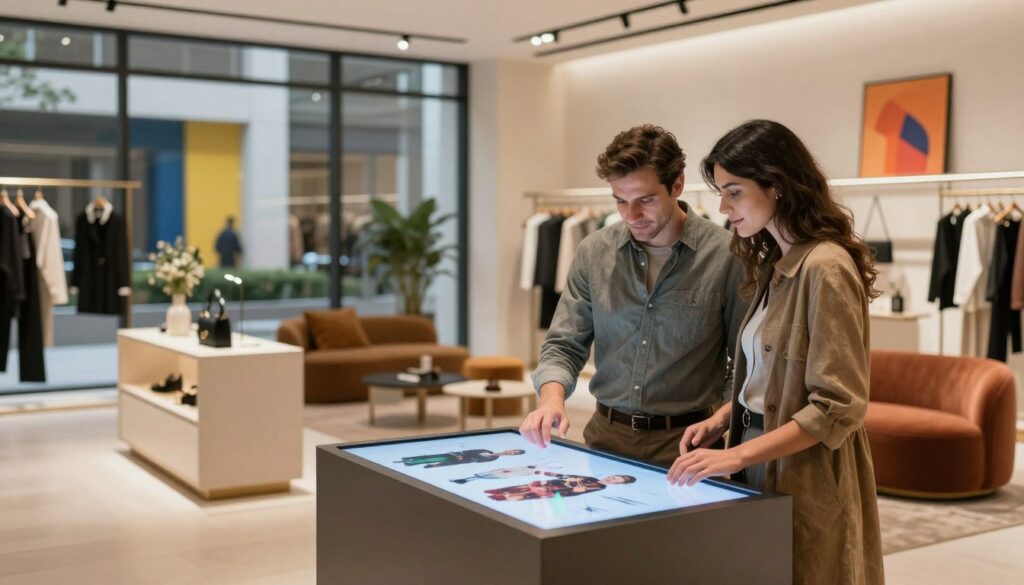
A new era of retail emerged, prioritizing emotional connections and memorable moments over simple product transactions. Brands recognized that exceptional experiences could build stronger bonds with their audience than traditional shopping methods.
Enhancing In-Store and Digital Journeys
Flagship stores transformed into destination experiences rather than mere transaction points. Tiffany’s New York flagship reopening showcased this shift with LED walls, private salons, and exhibition spaces.
Digital journeys received equal attention, replicating personalized service online. These enhanced experiences became critical differentiators for discerning consumers.
Exclusive Events and VIP Services
Invitation-only events and VIP access cultivated community among valuable customers. Gucci Salon’s appointment-only format provided high-net-worth clients with intimate, personalized service.
Dior’s Avenue Montaigne complex renovation created a 10,000 square meter destination featuring couture salons, dining, and the world’s largest single-designer museum. These approaches reinforced exclusivity while building lasting emotional connections.
Digital Transformation Transforming the Luxury Market
Digital innovation became the driving force behind luxury retail evolution in 2025. Advanced technology permeated every customer touchpoint, creating seamless journeys from discovery to purchase.
Brands embraced sophisticated tools that enhanced personalization and engagement. This technological shift represented more than digital adoption—it redefined premium shopping experiences.
Integration of AI and AR/VR Tools
Artificial intelligence provided unprecedented customization capabilities. Systems analyzed customer preferences to deliver tailored recommendations and predictive insights.
Augmented reality tools bridged the gap between online browsing and physical interaction. The Gucci App demonstrated this innovation with virtual try-on features for footwear and makeup.
Blockchain technology addressed authentication concerns through digital certificates. These systems provided transparent tracking from production to purchase.
Social commerce emerged as a powerful channel for exclusive product drops. Virtual communities and influencer partnerships created excitement while maintaining brand exclusivity.
Metaverse exploration offered immersive brand worlds beyond physical limitations. This technological integration enhanced traditional retail rather than replacing it.
Adapting to Changing Consumer Behavior and the Millennial/Gen Z Influence
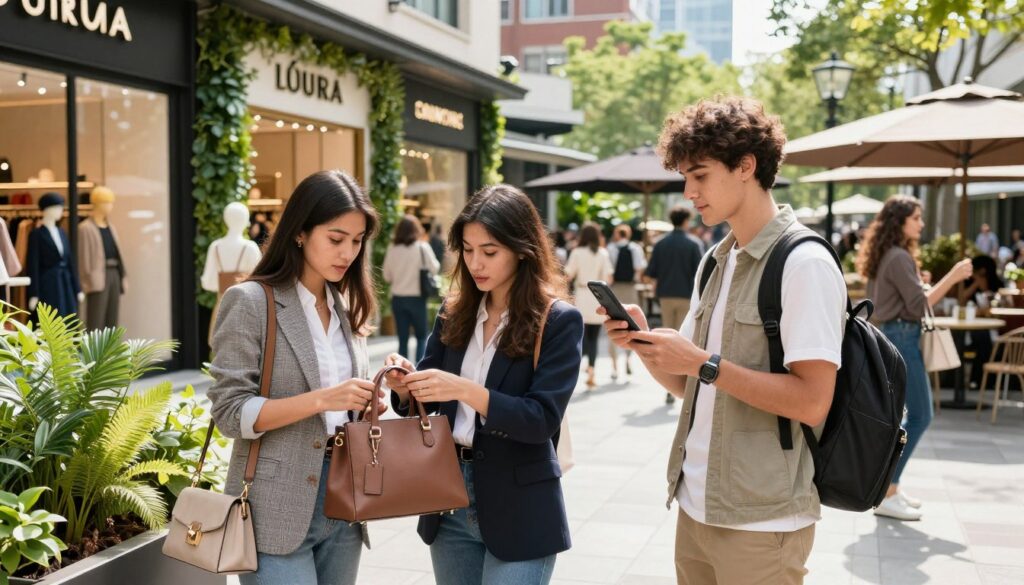
Younger generations have fundamentally reshaped the premium goods market with their distinct values and purchasing patterns. These shoppers bring new expectations that require brands to adapt their approaches across all categories.
Shifting Preferences and Personalization
Millennials in their peak earning years now wield significant purchasing power. Meanwhile, Gen Z represents the future of consumer demand with strong aspirations for premium products. Together, these groups will comprise 80% of the global luxury market by 2030.
These younger consumers demonstrate remarkable brand loyalty. In China, 60% of Gen Z shoppers would rather delay purchases than compromise on their preferred brands. This reflects a deeper connection to values beyond traditional status markers.
Quality, uniqueness, and self-expression define luxury for these shoppers. Approximately 30% of German Gen Z express strong preferences for premium apparel categories. Their digital native status means they expect brands to be culturally relevant and agile.
Personalization has emerged as a key differentiator for meeting consumer demand. Younger shoppers seek bespoke products and co-creation opportunities across various categories. This trend extends beyond apparel to include personalized beauty and wellness products.
The influence of these younger consumers continues to shape future luxury expectations. Brands must respond with authentic engagement and tailored experiences to build lasting relationships with this influential demographic.
Conclusion
As we reflect on the industry’s evolution, the shifts witnessed in 2025 point toward a more emotionally resonant and community-focused future. The changes in creative leadership and consumer priorities have redefined what success means for premium brands.
This directional shift appears in upcoming strategies. Gucci and Louis Vuitton will present their 2027 cruise collections in New York City, while Dior chooses Los Angeles. These domestic locations signal renewed emphasis on key American markets.
Industry expert April Hennig articulates the path forward clearly. “The future will belong to brands that spark feeling, cultivate imagination, and meet clients with meaningful creativity.” This vision manifests in theatrical presentations like Haider Ackermann’s Tom Ford collection.
Gab Waller captures the essential transformation: “Luxury now is about belonging to something, not just buying something.” The coming years will reward houses that build genuine connections through compelling narratives and shared values.
FAQ
What are the biggest changes in the luxury market today?
How are new creative directors changing luxury brands?
Why is sustainability becoming so important in high-end fashion?
What role does technology play in luxury shopping now?
Are statement pieces still a good investment?
How are brands attracting Millennial and Gen Z shoppers?

Adam Peter is a finance, travel, and automotive writer with over a decade of experience. He creates clear, practical content to help readers manage their money, explore the world with confidence, and make informed decisions about cars and travel gear. His work blends expert insight with real-world usefulness.