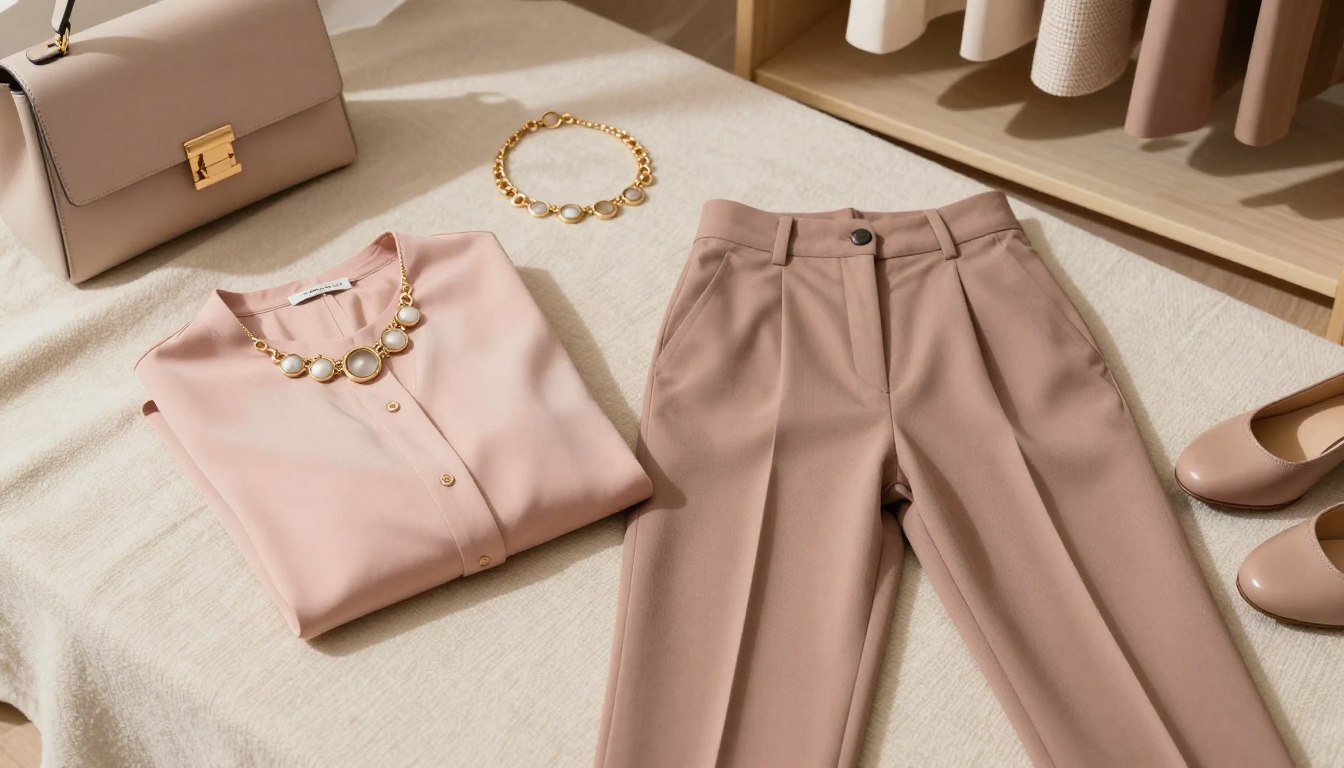
Matching Your Accessories with Outfits
Iris Apfel, the iconic style maven, once declared, “More is more and less is a bore.” This bold philosophy captures the transformative power of the right additions to your ensemble.
Welcome to the exciting world where small details create big impact. The perfect necklace, bag, or pair of shoes can elevate any attire from simple to stunning. It’s a powerful method for expressing your personal flair effortlessly.
Curating these pieces is both an art and a learnable skill. With a bit of guidance and creative play, anyone can master it. These elements are far from just add-ons.
They are essential components that finish your appearance and tie everything together beautifully. This comprehensive guide will walk you through everything needed for harmonious coordination.
We cover basic principles to advanced styling techniques. Dressing for a coffee date, a formal gala, or a job interview? The correct selections make all the difference.
You will learn how to balance colors and mix materials. Discover how to choose statement items and build a versatile collection for any event.
By the end, you will feel confident assembling your pieces with panache. Create looks that truly reflect your unique personality.
Key Takeaways
- Accessories are powerful tools that can completely transform your overall appearance.
- Coordinating these pieces is a skill that anyone can learn and master with practice.
- The right choices are essential for completing an outfit and creating a polished look.
- This guide provides steps from foundational rules to more advanced styling methods.
- Learning to mix colors, textures, and statement pieces builds a versatile collection.
- The principles apply to any occasion, from casual outings to formal events.
- Developing this skill boosts confidence and allows for greater personal expression.
Understanding the Basics of Accessorizing
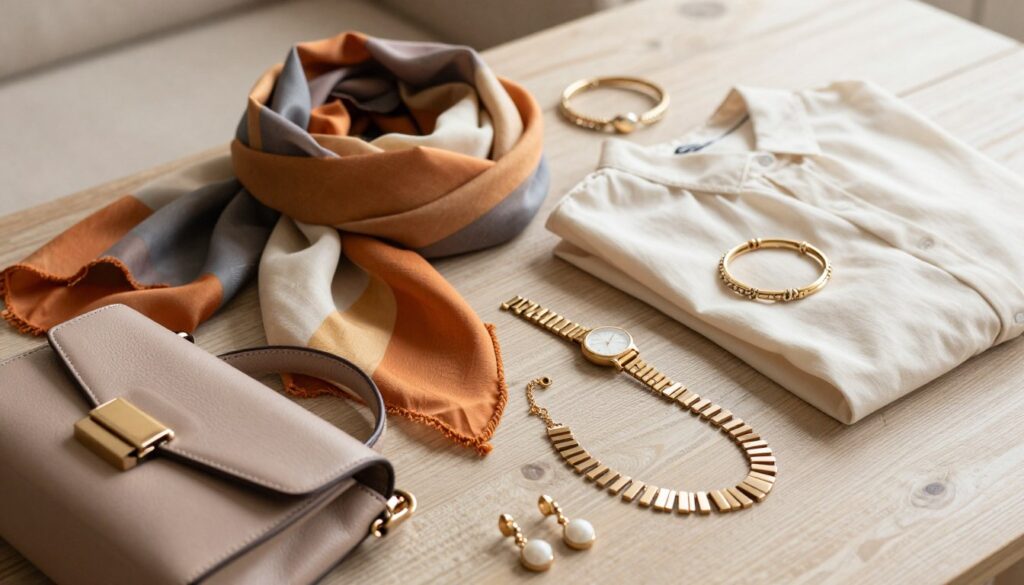
Every great outfit relies on the subtle power of its finishing touches. These pieces are the final layer that transforms clothes into a cohesive statement.
Defining Accessories and Their Roles
Accessories encompass all the extra items that complete an ensemble. Think jewelry, bags, belts, scarves, hats, and footwear. Each category serves a dual purpose.
Some pieces are practical. A bag carries your essentials. A belt defines your waistline. Others are purely aesthetic, like a statement necklace or bold sunglasses.
Understanding these roles helps you make smarter choices. The table below breaks down common categories.
| Category | Primary Function | Style Impact |
|---|---|---|
| Jewelry | Personal adornment | Adds focal points & personality |
| Bags | Carries daily essentials | Defines formality & color scheme |
| Belts | Secures waistline | Creates shape & introduces texture |
| Scarves | Provides warmth | Infuses pattern & color |
| Hats | Protects from sun | Adds attitude & completes silhouette |
Why Details Matter in Your Look
Details elevate your appearance from simple to polished. They show attention to style and personal care.
The right accessory choices can make a basic outfit memorable. They also offer an affordable way to refresh your wardrobe.
View these pieces as essential, not optional. They express your unique flair without saying a word. Mastering these basics builds a strong foundation for any look.
Choosing Accessories Based on Outfit and Occasion

Selecting the perfect additions depends largely on where you’re going and what you’re doing. The setting guides your choices more than anything else.
Getting the occasion right is the essential first step. It sets the foundation for every other styling decision you make.
Casual, Formal, and Professional Looks
For a laid-back occasion, think effortless. Comfy sneakers, a simple crossbody bag, and a light scarf work perfectly.
Pair these with minimal jewelry like stud earrings. This creates a relaxed yet put-together look.
Formal events demand elegance. Choose pieces that add sparkle and sophistication.
Statement necklaces, sparkly earrings, and a sleek clutch bag elevate your ensemble. You can go bold but keep it classy.
In professional settings, understated styles shine. Classic stud earrings, a simple bracelet, or a smart watch convey competence.
A structured bag or a polished belt completes the outfit without distraction.
Matching Accessories with the Right Dress Codes
Understanding dress codes is key. For business casual, a delicate necklace and a tailored blazer work well.
Black-tie calls for dramatic jewelry and sophisticated heels. Smart casual allows for more playful pieces.
Even basic jeans can be dressed up or down. Sneakers and a tote bag keep it casual for the weekend.
Swap them for heels and a clutch to transform the same jeans for an evening occasion.
When wearing a dress or skirt, let the formality level guide you. A flowy sundress pairs with sandals and a straw hat.
A sleek cocktail dress needs glittering accessories. Always let the event dictate your finishing touches.
Your clothes provide the canvas. The right pieces for the occasion complete your outfits with intention and style.
Mastering the Technique: Matching Your Accessories with Outfits
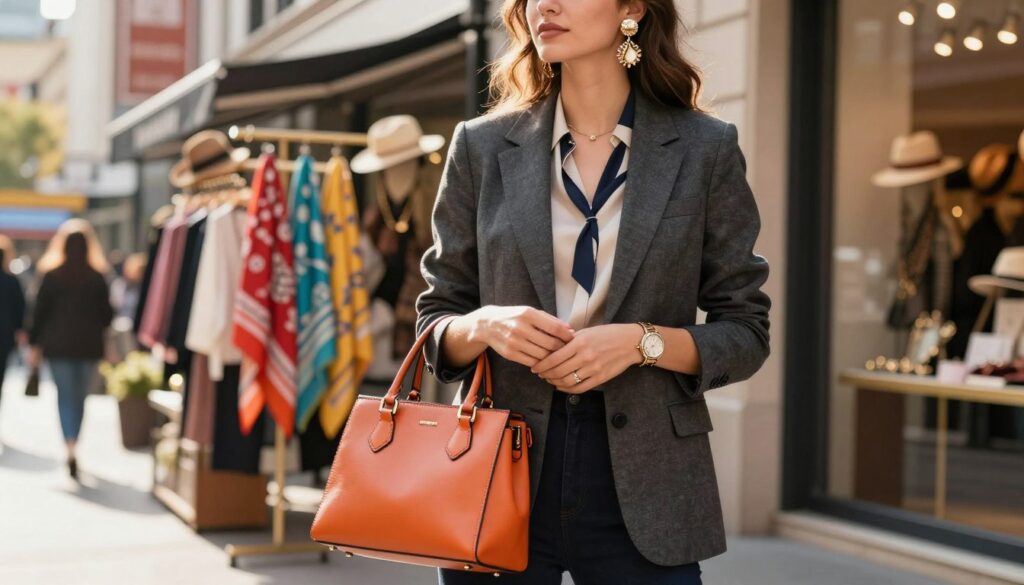
To elevate your attire from ordinary to extraordinary, you must consider how each piece interacts. This matching process is harder than it sounds. It requires thoughtful consideration of colors, materials, shapes, and sizes.
Successful coordination isn’t about randomly adding items. It’s about creating intentional harmony between all elements. Every detail should work together to support your overall vision.
Key Principles and Strategies
Colors, textures, and proportions all play vital roles. They ensure your selections accessories match well and create a cohesive look. The goal is a balanced ensemble where pieces enhance rather than overwhelm.
One effective way to build coordination is to start with an anchor piece. Choose your shoes or bag first, then build the rest of the outfit around it. This creates a focused foundation.
Your additions should complement the garment’s style. Bohemian clothes work well with natural, feathery pieces. Edgy ensembles pair nicely with leather and metal accents.
Always consider the overall vibe you want to project. Choose items that support that aesthetic. Mastering this technique takes practice, but following core principles makes it enjoyable.
| Principle | Description | Example |
|---|---|---|
| Intentional Harmony | Select pieces that create a unified theme, not random clutter. | Pairing a metallic bag with simple metal jewelry. |
| Proportional Balance | Scale your items to your frame and the clothing’s volume. | Wearing delicate jewelry with a sleek, minimalist dress. |
| Style Synergy | Ensure adornments reflect the garment’s inherent character. | Mixing rustic textures with a casual, earthy style. |
Coordinating Colors and Materials
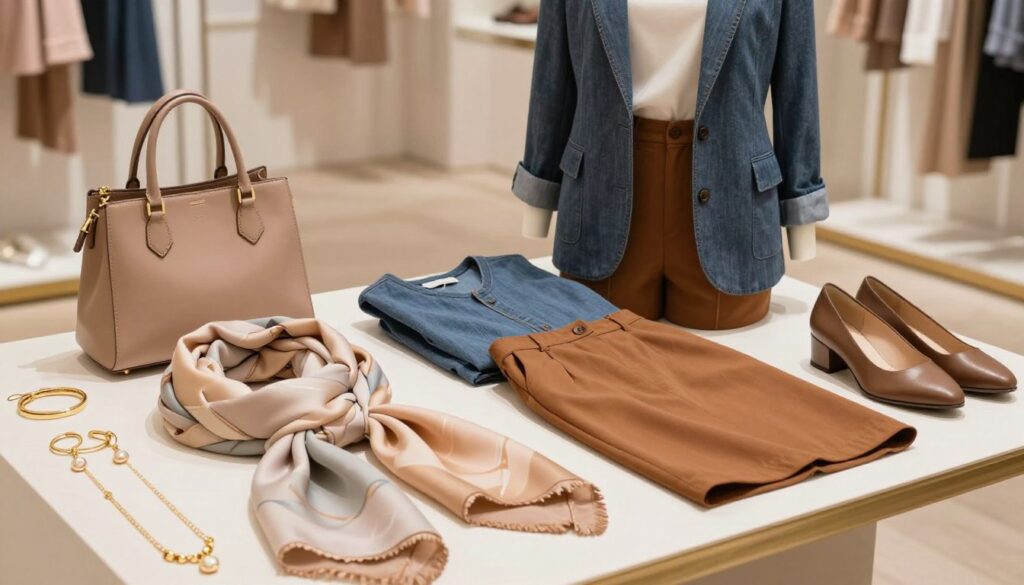
The magic of a great ensemble often lies in the thoughtful interplay of its hues and fabrics. Getting this balance right elevates your style from simple to sophisticated.
It’s a skill that focuses on harmony rather than strict uniformity.
How to Balance Colors Without Overdoing It
Color coordination works beautifully, but restraint is key. One or two pieces in the same shade create cohesion.
Coordinating every single item in one color can feel excessive. Think of a head-to-toe green look versus a subtle silver accent.
Instead, explore complementary pairs. Gold with emerald or silver with sapphire are classic combinations.
Use your pieces to add a pop of color to a neutral outfit. This creates visual interest without overwhelming the eye.
Mixing Materials for a Harmonious Look
Successful styling also involves blending different textures. Not all materials need to match perfectly.
Leather pairs well with metal. Suede complements gold accents beautifully. Velvet can shine alongside silver details.
Even mixing gold and silver metals can be sophisticated. The trick is intentionality and a bit of subtlety.
This prevents a disjointed appearance and builds a harmonious look. The table below shows some reliable pairings.
| Material 1 | Material 2 | Style Effect |
|---|---|---|
| Polished Leather | Brushed Metal | Modern and structured |
| Soft Suede | Warm Gold | Rich and tactile |
| Silky Velvet | Cool Silver | Luxurious and elegant |
| Matte Cotton | Delicate Pearl | Understated and classic |
Experiment with different colors and materials. Keep balance as your guiding principle for a polished outfit.
Accessorizing with Statement Pieces and Dainty Items
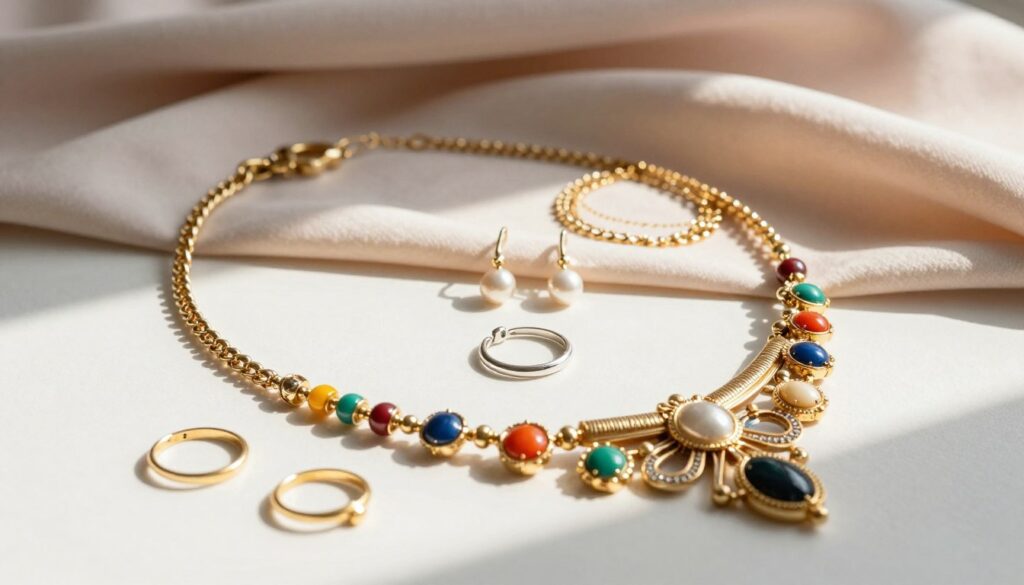
A single standout piece can transform an entire ensemble from ordinary to extraordinary. The secret lies in creating one clear focal point. Let one item do the talking while others play a supporting role.
Selecting a Standout Accessory
Your statement accessory could be a designer handbag or a bright, fun necklace. Even colorful shoes make a powerful impact.
Hair accessories are especially effective. Positioned at eye level, they instantly draw attention. A bold headband or chunky clip can bring a simple hairstyle to life.
This one chosen piece becomes the hero of your look. It adds that essential pop of personality without clutter.
Pairing Subtle Jewelry with Bold Outfits
Here’s a golden rule. If your outfit is extravagant, dial back your adornments. Pair bold clothing with simple, subtle jewelry.
Conversely, a simple outfit provides the perfect canvas. It lets eye-catching designer pieces shine.
There is timeless elegance in wearing only dainty jewelry. Think small stud earrings with a thin pendant necklace. This creates a refined, polished appearance.
A couple of bold pieces can lift your look. But too many create a messy feel instead of style. Aim for balance to add a pop without chaos.
Master this balance between making a statement and maintaining sophistication. Your focal point will always be clear and intentional.
Tips for Matching Bags and Shoes
Few styling tricks are as effortlessly effective as aligning your footwear with your handbag. This classic principle creates instant polish.
The shades don’t need to be identical. Similar tones build cohesion without looking overly rigid.
Classic Pairing Techniques
A classic red shoe with a red handbag always looks lovely. Combined with a little black dress, it creates a timeless outfit.
This approach is a simple but powerful way to look put together. It works for any look.
Modern Interpretations from Fashion Experts
Creative Director Maj-La Pizzelli advises a focused start. “I always start with either the shoes or the bag when putting together an outfit—the clothes are the canvas, and the accessories are the actual art.”
Shoe expert Veronyka Kwan highlights personal style. She notes there are no wrong ways to express yourself, whether you coordinate perfectly or mix for fun.
Modern takes include monochromatic color schemes. Matching materials like leather or suede also pulls a pair together beautifully.
| Pairing Focus | Method | Result |
|---|---|---|
| Color | Use a singular hue or similar tones. | Creates a cohesive, intentional statement. |
| Material | Match leather with leather, suede with suede. | Adds sophisticated texture harmony. |
| Formality | Align sleek heels with a structured bag. | Ensures a polished, unified appearance. |
| Personal Style | Let one piece be bold, the other subtle. | Balances the bag shoes combo with personality. |
This technique offers a foolproof way to elevate any ensemble. It builds intentional harmony between your key pieces.
Exploring Seasonal Trends in Accessories
Let the changing weather be your guide to selecting pieces that feel both timely and stylish. Seasonal shifts provide natural inspiration, influencing material and style selections perfectly suited to the temperature.
Adapting Accessories for Summer and Winter
Hot summer days call for light, breezy materials. A raffia bag and espadrilles capture the essence of the season when paired with a light cotton sundress.
Floral patterns work beautifully now. Bright floral-printed heels and a shoulder bag add vibrant energy to a simple white dress.
When colder months arrive, cozy textures take center stage. Faux-fur boots and a fur-lined tote bring warm vibes to your look.
Utilizing Textures and Patterns for a Modern Vibe
Patterns and defining textures change with the seasons. This keeps your outfits feeling fresh and appropriate, whether you’re dressing for heat or cold.
| Season | Defining Textures | Signature Patterns |
|---|---|---|
| Summer | Raffia, Straw, Light Cotton | Bright Florals, Colorful Stripes |
| Winter | Faux Fur, Rich Velvet, Wool | Plaid, Fair Isle, Metallic Accents |
Building a rotation of seasonal items is a smart move. You’ll always have weather-appropriate pieces that complement the time of year and your personal styles.
Building a Capsule Collection of Staple Accessories
A thoughtfully curated set of core pieces eliminates daily dressing stress. This capsule approach simplifies coordination. You always have reliable items to reach for.
Essential Pieces for Versatile Styling
Start with foundational jewelry and bags. Classic gold hoop earrings and a simple pendant necklace work endlessly. Add a structured handbag and sleek black heels.
These staples complement virtually any color palette. Gold and silver jewelry pieces form a versatile foundation. They add polish without overwhelming your look.
Invest in quality over quantity. Choose well-made bracelets, necklaces, bags, and shoes. Fewer high-quality items serve you better for years.
A timeless watch is a prime investment. It provides function and sophisticated style for any occasion. This piece truly pairs with anything.
This curated collection reduces decision fatigue. Getting dressed becomes easier and more enjoyable. Build it gradually with items that reflect your personal flair.
Expert Insights and Real-Life Examples
Real-world examples bring theoretical styling principles to life. Seeing how professionals combine pieces provides a clear blueprint for success.
Whether you’re building a casual outfit or a formal look, these insights offer multiple ways to refine your approach.
Learn From Industry Leaders and Case Studies
Maj-La Pizzelli, Veronyca Kwan, and Sarah Zurell bring a professional perspective. Their advice turns abstract ideas into actionable strategies.
Sarah Zurell of Chinese Laundry emphasizes material harmony. “Shoes and handbags made from different materials or textures can look mismatched—aim for materials that complement each other.”
This focus on complementary features prevents a disjointed appearance. It’s a cornerstone of intentional coordination.
Practical Examples from Fashion Sources
Consider a soft lavender bag as the lightest point in a purple palette. This subtle shift creates magic within a monochromatic look.
Neutral clothes benefit from a funky bag and unexpected shoes. Whimsical elements add visual interest and personality.
Trend-based styling, like balletcore, shows cohesive aesthetics. A satin ballet flat paired with a coordinating mini bag completes the dancer’s off-duty style.
Vintage finds offer sweet retro touches. A 50s-style pump and lady bag bring charm to modern boyfriend jeans and a sweater.
For a 70s-inspired outfit, try knee-high brown leather boots with an embossed leather shoulder bag. This pairing achieves bohemian sophistication.
| Example Type | Key Features | Style Effect |
|---|---|---|
| Color Gradient | Lavender bag in purple palette | Creates subtle, sophisticated depth |
| Neutral Base | Funky bag with whimsical shoes | Adds playful personality |
| Trend-Based (Balletcore) | Satin flats & coordinating mini bag | Delivers a cohesive, thematic look |
| Vintage Fusion | 50s pumps & bag with modern jeans | Offers sweet, retro charm |
| 70s Revival | Leather boots & embossed shoulder bag | Evokes bohemian sophistication |
These practical examples demonstrate successful coordination. They show multiple ways to match items, whether you’re following trends or crafting timeless combinations.
Your personal style can shine through any of these approaches. The right accessory choices always enhance your clothes.
Conclusion
Now that you’ve explored the principles, you hold the keys to transforming any ensemble with intention. Your journey through this guide has equipped you with an essential skill. The right pieces possess a transformative power, elevating simple clothes into spectacular statements.
Successful coordination hinges on balance. Consider color, material, and proportion for every occasion. Your personal flair should always shine through. Confidence is the ultimate addition you can wear, whether you’re mixing bold items or keeping things delicate.
Experiment with different combinations over time. Practice builds skill and refines your unique aesthetic. Building a capsule collection of quality staples makes getting dressed easier. These reliable items work well with jeans, a skirt, or any outfit.
Remember, there’s no single correct way to accessorize. What matters is that your final look feels authentic. Use these tips to rock any outfit you wear. Enjoy the creative process of expressing yourself through thoughtful choices.
FAQ
How do I start picking the right jewelry for my outfit?
Do my bag and shoes need to match exactly?
Can I mix different metal colors in my jewelry?
What’s the best way to add a pop of color with accessories?
How should I change my accessories for summer versus winter?
What are the essential staple pieces for a capsule accessory collection?

Adam Peter is a finance, travel, and automotive writer with over a decade of experience. He creates clear, practical content to help readers manage their money, explore the world with confidence, and make informed decisions about cars and travel gear. His work blends expert insight with real-world usefulness.