
Thrift Shopping Tips for Beginners: Score Great Deals
The secondhand apparel market is projected to double in size in the next few years, reaching a staggering $218 billion. This isn’t just a trend; it’s a massive shift in how people think about their possessions.
Welcome to the exciting world of finding hidden gems. This guide is your friendly starting point for discovering how to uncover incredible deals on quality items. It’s more than just a way to save money; it’s an adventure.
Whether you’re driven by budget, a love for unique style, or a desire to make eco-friendly choices, this experience offers something for everyone. You’ll learn to navigate various secondhand venues with confidence.
By the end, you’ll have the knowledge to transform your approach to acquiring new things. Get ready to embrace a smarter, more sustainable lifestyle.
Key Takeaways
- The secondhand market is growing rapidly, offering huge opportunities for savvy shoppers.
- This guide provides a complete foundation for your first thrifting adventures.
- Discovering unique items while saving money is a primary benefit.
- It’s an eco-conscious choice that reduces waste and supports a circular economy.
- You will learn how to confidently shop at different types of thrift stores.
- Thrifting is a rewarding skill that combines hunting for deals with expressing personal style.
Understanding Thrifting and Its Benefits
Discovering hidden gems among gently used possessions represents a shift in consumer consciousness. This approach to acquiring goods goes beyond simple bargain hunting.
What Is Thrifting?
Thrifting involves exploring various venues where pre-owned goods are sold. These include secondhand stores, consignment shops, and online resale platforms.
When you participate in this activity, you’re giving quality items a new life. Instead of ending up in landfills, these pieces continue their journey with new owners.
Environmental and Financial Benefits
The environmental impact of this practice is significant. By choosing secondhand options, you reduce waste and decrease demand for new manufacturing.
This choice also offers substantial financial advantages. You can find high-quality pieces at a fraction of their original cost.
Many thrift stores support local community organizations. Your purchases often contribute to charitable missions while keeping money within your area.
Essential Thrift Shopping Tips for Beginners
Before you start hunting for deals, it’s crucial to familiarize yourself with the different types of secondhand shopping destinations. Each venue offers a unique experience and requires different strategies.
Navigating Various Secondhand Venues
Traditional thrift stores like Goodwill and Savers provide excellent starting points. They offer a wide variety of affordable items for newcomers to explore.
Habitat for Humanity ReStores specialize in furniture and home goods. You might find unique pieces like kitchen cabinets from renovations.
Consignment shops carry higher-quality, curated things at slightly higher prices. Vintage stores focus on specific eras with carefully selected merchandise.
Flea markets and garage sales allow for negotiation. They often yield incredible deals but require weekend availability.
Online marketplaces like Depop and ThredUp let you search from home. Urban stores tend to have trendier selections, while rural locations offer better deals on practical items.
Exploring different venues helps you discover which thrift experiences work best for your needs. Each type of store has its own atmosphere and advantages worth exploring.
Planning Your Thrifting Adventure
A successful thrifting adventure begins long before you step foot in a store. Having a clear idea of what you’re looking for transforms random browsing into a purposeful hunt. This preparation saves time and prevents that overwhelmed feeling when facing endless racks.
Creating a Thrift Wishlist
Start by assessing your current wardrobe. Identify missing pieces or items needing replacement. Keep a running list on your phone—add things as you think of them throughout the week.
This practice ensures you know exactly what you’re looking for during your thrifting time. Your list might include specific categories like work blazers or vintage decor. Having targets helps you stay focused amid tempting distractions.
Setting a Budget
Decide on a spending limit before you leave home. It’s easy to get carried away when surrounded by affordable deals. Commit to a specific amount that feels comfortable for your finances.
This structure doesn’t restrict fun—it enhances it. You can enjoy the hunt without worrying about overspending. A budget and wishlist together make thrifting more intentional and rewarding.
Remember to stay flexible for unexpected treasures. But your plan should guide you toward items you truly need. This approach maximizes both your savings and satisfaction.
Choosing the Right Thrift Store Options
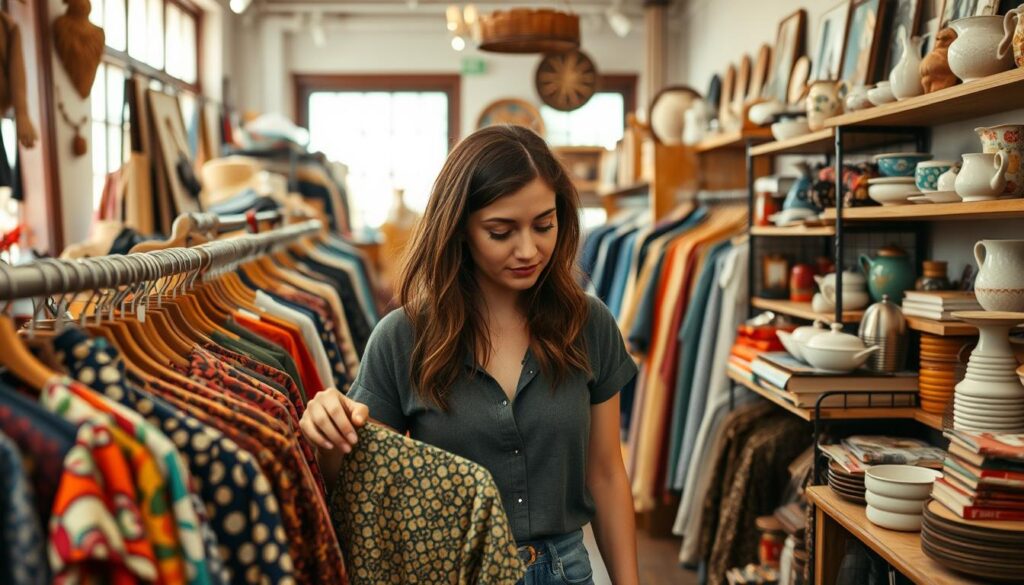
Different resale locations offer vastly different experiences, making research an essential first step. Not all secondhand establishments provide the same quality or selection.
Researching Store Reviews and Social Media
Start by searching online for thrift stores in your area. Read customer reviews on platforms like Google and Yelp to understand other shoppers’ experiences.
Following your local spots on social media gives you insider access. You’ll see special promotions and new merchandise photos before they hit the shelves.
Spotting Specialty Shops
Some stores focus on specific categories like furniture or vintage clothing. These specialty shops are ideal when you’re hunting for particular items.
Chain stores like Savers and Goodwill vary by location. One might excel in home decor while another specializes in clothing.
“The right store selection can transform your entire secondhand shopping experience from frustrating to fantastic.”
| Store Type | Best For | Price Range | Selection Quality |
|---|---|---|---|
| Chain Thrift Stores | General merchandise | Lowest prices | Varies by location |
| Consignment Shops | Quality clothing | Moderate prices | Curated selection |
| Specialty Stores | Specific categories | Competitive pricing | Focused inventory |
| Vintage Shops | Unique finds | Higher prices | Authentic pieces |
Building relationships with staff at favorite locations can provide valuable tips. They often share restock schedules and upcoming sales information.
Timing Your Thrift Store Visits
Your timing can make or break your treasure hunting success. Knowing when to visit different secondhand locations dramatically improves your chances of finding quality pieces before other shoppers.
Strategic timing transforms random browsing into targeted discovery. The right moment can mean the difference between overwhelming crowds and peaceful exploration.
Weekday and Off-Peak Strategies
Weekday mornings, especially right when stores open, offer fresh inventory with minimal competition. This is when many locations restock shelves from weekend donations.
Late afternoons during the week can also yield great finds. Staff often put out new items throughout the day, and you’ll avoid weekend crowds.
Research your local spots’ restock schedules. Many process donations Monday through Wednesday, making these days ideal for finding recent arrivals.
Seasonal Trends and Promotions
Certain times of year bring exceptional opportunities. Late January sees increased donations as people declutter after New Year’s resolutions.
Many thrift store locations run regular promotions. Savers offers 20% off coupons when you donate items, making post-donation visits particularly rewarding.
Pay attention to patterns you notice during different days of the week. Some regulars discover that pricing can vary depending on staff schedules.
“The early bird doesn’t just get the worm—they get the vintage designer handbag too.”
Following your favorite spots on social media keeps you informed about special sales events. This knowledge helps you plan your visits during optimal times for both selection and savings.
Preparing for the Thrifting Experience

Your physical preparation directly impacts your success in finding quality secondhand items. A well-planned approach makes the entire experience more comfortable and productive.
Proper gear transforms a potentially exhausting trip into an enjoyable adventure. You’ll spend significant time on your feet, so comfort is key.
What to Wear and Bring
Choose supportive footwear and the socks you normally wear. This ensures accurate shoe fittings during your shopping trip.
Opt for layers that are simple to put on and take off. This allows you to try on pieces quickly, even if dressing rooms are busy.
Carry a reusable tote bag for your discoveries. It keeps your hands free to browse more items efficiently.
Essential Inspection Tools
Your smartphone is your most valuable tool. Use apps like Google Lens to research brands and identify marks on dishes.
A small tape measure helps check furniture dimensions. Your phone’s light can reveal hidden flaws in dimly lit areas of the store.
| Tool | Primary Use | Why It’s Essential |
|---|---|---|
| Comfortable Shoes | Extended standing/walking | Prevents fatigue during long searches |
| Reusable Tote Bag | Carrying finds | Keeps hands free for continued browsing |
| Smartphone with Google Lens | Item research | Provides instant brand and value information |
| Small Tape Measure | Size verification | Ensures furniture/home decor will fit your space |
These simple preparations maximize your time and improve your overall thrifting results. Being ready lets you focus entirely on discovering great thrift finds.
Mastering the Art of Deal Digging
The difference between average finds and incredible discoveries often comes down to systematic searching methods. Developing these skills transforms your entire experience from random browsing to targeted treasure hunting.
One powerful technique is the double loop method. Walk through each aisle twice to ensure you don’t miss hidden treasures. Your first pass gives you a quick overview, while the second allows for detailed inspection.
Techniques Like the “Double Loop”
Always check bottom shelves and reach toward the back of displays. The best pieces are often placed where casual browsers don’t look. You never know what might be hiding behind less appealing items.
If you’re uncertain about an item, place it in your cart immediately. You can always return it later, but losing a potential gem to another shopper is disappointing. This approach ensures you don’t regret missed opportunities.
| Search Technique | Primary Benefit | Best For |
|---|---|---|
| Double Loop Method | Comprehensive coverage | Ensuring no items are missed |
| Bottom Shelf Checking | Discovering overlooked gems | Finding hidden treasures |
| Cart Reservation | Securing potential finds | Items you’re considering |
| Thorough Shelf Digging | Uncovering buried pieces | Complete section exploration |
Take your time during each visit. Rushing through the store means you might overlook quality pieces. Patient searching separates successful treasure hunters from those who leave empty-handed.
Remember that you could find something amazing in any section. Explore areas beyond your original targets. The most rewarding discoveries often come from unexpected places.
Inspecting and Evaluating Thrift Finds
Finding a great deal is exciting, but careful inspection separates true treasures from disappointing purchases. Since most secondhand establishments have strict no-return policies, your evaluation process becomes crucial.
Always examine clothing thoroughly before buying. Check for stains, holes, and broken zippers that might make garments unwearable. Pay special attention to seams and stress points where damage often appears.
Assessing Quality and Condition
For furniture and home decor, test structural integrity carefully. Look for wobbly legs, cracks, or water damage that could require expensive repairs. Missing hardware can turn a bargain into a headache.
Your smartphone is your best friend during this process. Use Google Lens to photograph maker’s marks on dishes and collectibles. This reveals an item’s history and helps verify authenticity.
| Item Type | Critical Check Areas | Common Issues | Repair Considerations |
|---|---|---|---|
| Clothing | Seams, zippers, underarms | Stains, tears, fading | Simple mending vs. professional repair |
| Furniture | Joints, legs, surfaces | Wobbling, scratches, stains | Wood glue, sanding, refinishing |
| Electronics | Cords, buttons, screens | Missing parts, corrosion | Replacement parts availability |
| Home Decor | Edges, finishes, stability | Chips, cracks, tarnishing | Glue, paint, specialized restoration |
Consider whether flaws are things you can realistically fix. Don’t let excitement cloud your judgment—sometimes passing on a damaged piece is the smartest choice. This careful approach ensures every purchase becomes a valued addition to your collection.
Upcycling and Repurposing Ideas
When pre-owned items don’t match your vision, creative repurposing opens new possibilities. This approach lets you transform basic finds into personalized treasures that reflect your unique aesthetic.
Instead of passing on pieces that aren’t quite right, consider their potential. A simple coat of paint or new hardware can work wonders.
DIY Creative Projects from Thrifted Items
Focus on an item’s fundamental shape and structure rather than its current finish. A vase with good proportions becomes stunning with the right paint treatment. Furniture with solid construction often just needs visual updating.
Simple techniques deliver dramatic results. Painting, staining, or replacing hardware can transform dated pieces. Even minor repairs like wood glue for loose joints make a big difference.
Be realistic about your commitment level. Only purchase items you’ll actually work on. Buying with good intentions but no follow-through creates clutter.
Common upcycling projects include:
- Transforming frames into gallery wall art
- Refinishing furniture with modern colors
- Repurposing vintage items for new uses
- Adding decorative elements to basic finds
This creative process turns ordinary thrift store discoveries into custom creations. You save money while keeping quality items in circulation.
Selling and Sharing Your Unique Finds
The journey of a great find doesn’t have to end when you bring it home—it can begin a new chapter. Many enthusiasts discover that sharing or reselling their discoveries creates additional value. This approach keeps quality items circulating within the community.
When you spot potentially valuable vintage pieces, quick research pays off. Use your phone’s camera with Google Lens to check values right in the store. This helps you decide whether to purchase for personal use or potential resale.
Reselling Tips and Community Sharing
Online platforms make selling accessible to everyone. Popular choices include eBay for collectibles and Poshmark for clothing. Each platform serves different types of items and audiences.
Successful reselling requires good presentation. Take clear photos in natural light and describe conditions honestly. Research similar sold listings to price your pieces competitively.
For wardrobe management, try the “one in, one out” method. When you bring home new finds, pass along something you no longer wear. This keeps your collection manageable while helping other people find treasures.
Clothing swaps with friends offer social alternatives to selling. These events let you refresh your style while sharing the joy of discovery. Whether selling or swapping, you’re extending the life of quality goods.
Avoiding Common Pitfalls in Thrifting
The excitement of discovery can sometimes lead shoppers down paths that contradict the sustainable ethos of secondhand culture. Finding amazing deals feels rewarding, but it’s essential to maintain mindfulness throughout your treasure hunting journey.
Striking the right balance ensures your thrifting adventures remain both enjoyable and ethically sound. This approach protects the community aspect that makes secondhand shopping so valuable.
Overbuying and Impulse Decisions
One of the biggest challenges is resisting the urge to buy items simply because they’re cheap. If you don’t genuinely need or love something, it becomes clutter rather than a treasure.
Always refer back to your wishlist before making purchases. Ask yourself if each piece serves a real purpose in your life. This prevents impulse buys that defeat mindful consumption.
Don’t overlook things that need minor repairs. Sometimes the best finds just require wood glue, paint, or thorough cleaning. These items often become your most cherished possessions.
Explore every section of the store, not just your usual areas. Hidden gems frequently appear in unexpected departments. Comprehensive browsing maximizes your discovery potential.
Remember that many people rely on thrift stores for affordable necessities. Avoid excessive “hauls” and be mindful of plus-sized clothing if those sizes don’t fit you. Conscious thrifting respects community needs.
True sustainability means purchasing only what you’ll actually use. This approach ensures your thrifting habits support rather than harm the circular economy.
Embracing Thrifting Etiquette and Community
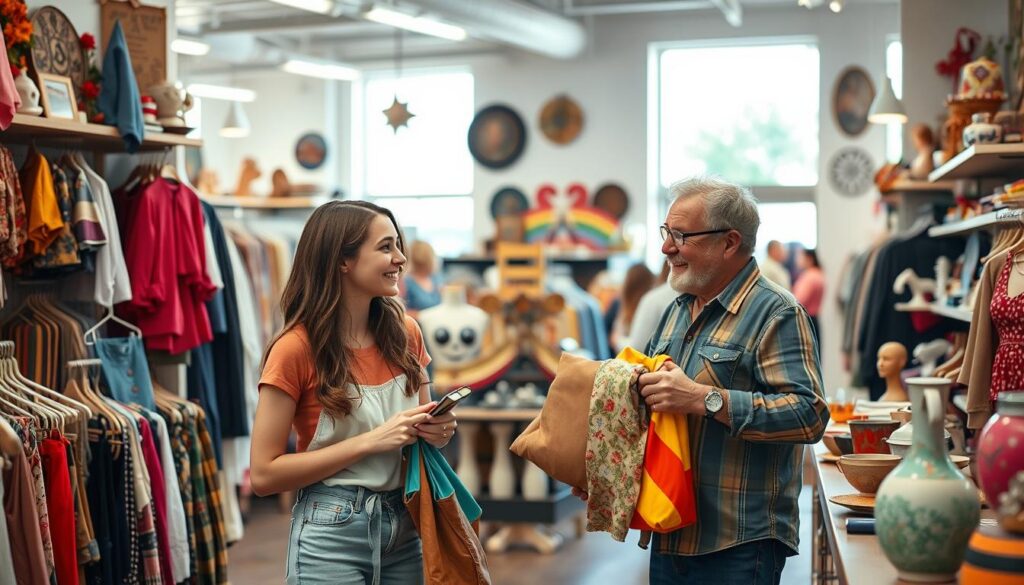
Beyond finding amazing deals lies an important aspect of secondhand culture that ensures everyone enjoys the experience. Good manners create a positive environment for all participants in this shared adventure.
Respectful conduct transforms simple treasure hunting into something more meaningful. It benefits employees, fellow customers, and the broader community that relies on these spaces.
Practicing Respect and Mindfulness
Always treat staff members with kindness and appreciation. They work hard to process donations and maintain the store environment, often for modest compensation.
Put items back where you found them instead of leaving random piles. This simple act shows consideration for workers and other shoppers exploring the same areas.
Clean up after yourself and avoid leaving personal items behind. Be courteous by not blocking aisles or aggressively grabbing merchandise others are examining.
Remember that haggling with employees is inappropriate since they typically don’t control pricing. These establishments serve diverse populations, including people who depend on affordable options.
Embrace the mindset of leaving spaces better than you found them. Your behavior reflects on the entire thrifting community and helps maintain these valuable resources for everyone.
Leveraging Social Media for Thrift Tips
Social media platforms have revolutionized how enthusiasts connect with their favorite resale destinations. These digital tools provide real-time access to exclusive information that can transform your treasure hunting experience.
Following your preferred spots online gives you insider advantages. You’ll discover promotions and new arrivals before they reach the general public.
Following Local Thrift Spots
Start by finding your nearby secondhand establishments on platforms like Instagram and Facebook. Many stores post daily updates showing fresh merchandise hitting their floors.
This approach lets you plan visits around specific pieces you want to examine. You can see quality items as soon as they become available.
Staying Updated on Trends
Platforms like TikTok and Pinterest offer endless inspiration for styling your discoveries. The algorithm learns your preferences when you engage with relevant content.
Join community groups focused on specific interests like vintage fashion or furniture restoration. These spaces provide valuable knowledge from experienced collectors.
| Platform | Primary Benefit | Best For | Engagement Strategy |
|---|---|---|---|
| Visual merchandise previews | Seeing items before shopping | Follow stores & turn on post notifications | |
| Community groups & events | Local tips & swap meets | Join regional thrifting groups | |
| TikTok | Trend discovery & styling | Learning new techniques | Save videos & follow creators |
| Inspiration & DIY ideas | Upcycling projects | Create boards for future finds |
Engaging with online communities makes the entire process more enjoyable. You’ll connect with like-minded people while discovering incredible tips for your next adventure.
Thrifting as a Sustainable Lifestyle Choice

Choosing secondhand clothing represents a powerful personal statement about environmental values. This approach transforms everyday purchases into acts of ecological responsibility.
When you embrace this way of acquiring goods, you participate in circular fashion. Each purchase keeps garments in circulation rather than landfills.
Circular Fashion and Environmental Impact
The fashion industry ranks among the world’s top polluters. Your secondhand shopping choices directly reduce water waste and carbon emissions.
Every vintage piece you discover means one less new item manufactured. This collective action creates substantial environmental benefits.
“The most sustainable garment is the one that already exists.”
True thrifting enthusiasts build unique styles through pre-loved finds. Their homes showcase how sustainability and individuality coexist beautifully.
| Shopping Method | Environmental Impact | Style Uniqueness | Cost Efficiency |
|---|---|---|---|
| New Retail | High carbon footprint | Mass-produced items | Full retail price |
| Secondhand Shopping | Minimal new impact | One-of-a-kind pieces | Substantial savings |
| Designer Thrifting | Extends luxury lifecycle | Authentic vintage finds | Fraction of original cost |
This lifestyle celebrates mindful consumption over disposable trends. You join a growing community valuing both planetary health and personal expression.
Thrift Shopping Tips for Beginners – The Complete Guide
Consistent focus separates occasional bargain hunters from truly successful secondhand shoppers. This final section brings together all the essential strategies covered throughout our guide.
Staying Focused on Your Goals
Whether you’re exploring secondhand venues for the first time or are a seasoned enthusiast, maintaining clear objectives is crucial. Always remember why you started this journey in the first place.
Refer back to your wishlist and budget regularly during each visit. This practice helps you avoid impulse purchases that don’t align with your true needs. The excitement of discovery should never override your original intentions.
Consistency dramatically improves your chances of finding exactly what you’re looking for. Inventory rotates constantly in ways traditional retail doesn’t operate. Regular visits increase your odds of encountering perfect pieces.
| Goal Type | Focus Strategy | Success Indicator |
|---|---|---|
| Budget-Friendly Finds | Strict price limits | Staying within allocated funds |
| Specific Item Hunting | Targeted section searches | Finding desired pieces |
| Sustainable Shopping | Quality over quantity | Mindful consumption |
| Style Development | Cohesive selections | Building versatile wardrobe |
Don’t get discouraged by occasional empty-handed trips. Even experienced treasure hunters have unsuccessful visits mixed with amazing discoveries. The key is persistence and refined searching techniques.
Give secondhand exploration a fair chance by visiting multiple times and different places. Refine your approach based on what works best for your personal style and lifestyle. The perfect experience looks different for everyone.
Conclusion
You’ve now unlocked the secrets to discovering incredible treasures in unexpected places. This guide has equipped you with everything needed for successful treasure hunting adventures.
Remember that the thrifting experience is about more than just the items you find. Embrace the process and enjoy the thrill of each discovery. Whether you love vintage style or sustainable choices, this way of shopping offers something special for everyone.
Start with the basics you’ve learned. Research local places and time your visits well. As you gain experience, you’ll develop your own thrifting style. Don’t worry if your first trips aren’t perfect—this skill improves with practice.
Always practice good etiquette and mindful consumption. Now it’s time to give thrifting a try and discover how secondhand shopping can transform your approach to acquiring new things.
FAQ
What exactly is thrifting?
Why should I give thrifting a try?
How do I know which stores are the best to visit?
When is the best time to go thrifting?
What should I bring with me to make the experience easier?
How can I avoid buying things I don’t need?
What if I find something that doesn’t fit perfectly?
Is there a community aspect to thrifting?

Eduard Kingly is a travel and lifestyle content creator with a focus on personal development and education. He combines firsthand travel experiences with research-driven insights to guide readers in discovering new places, building better habits, and pursuing meaningful learning.