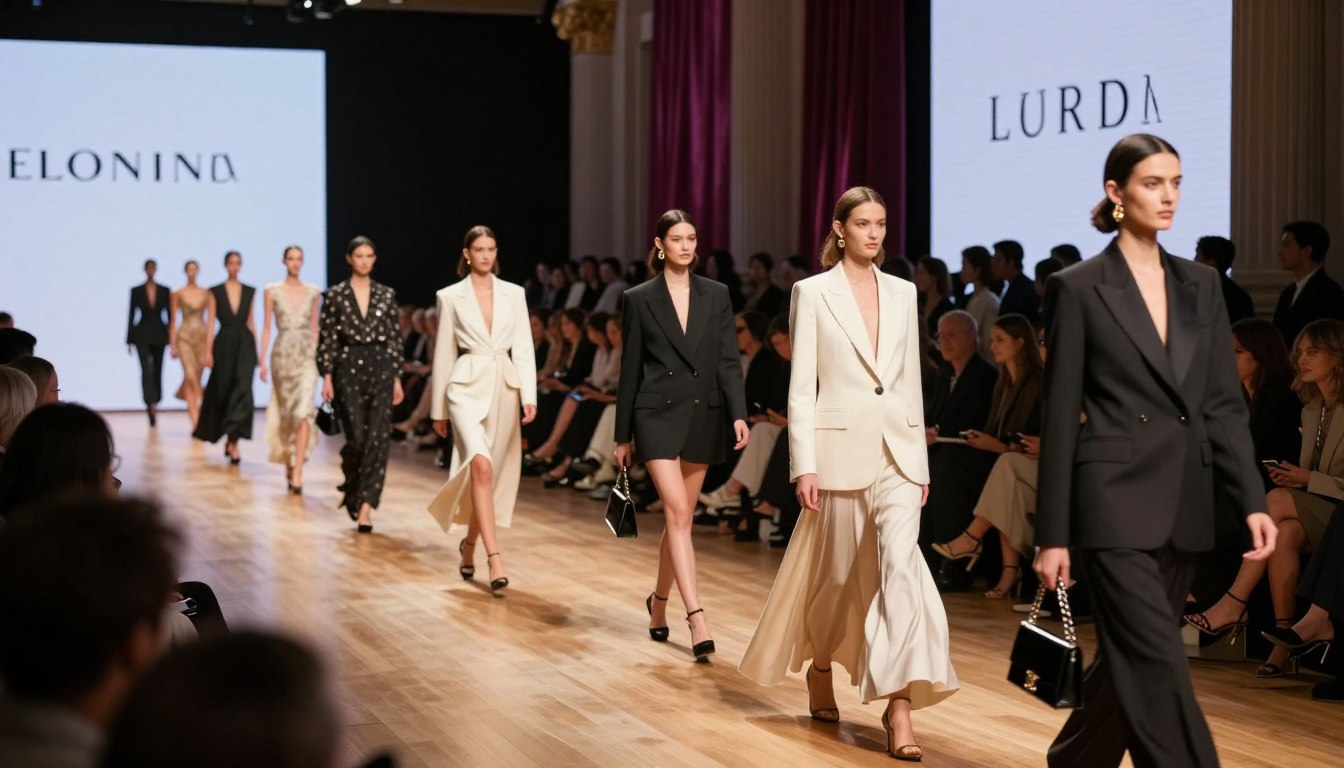
Top Luxury Fashion Brands in 2026
“Fashion is not something that exists in dresses only. Fashion is in the sky, in the street, fashion has to do with ideas, the way we live, what is happening.” – Coco Chanel’s words ring truer than ever as we explore the evolving landscape of high-end style.
This guide takes you inside the most prestigious names shaping today’s global market. We’ll uncover what makes these labels stand out in a crowded field. Their appeal goes beyond clothing to represent sophistication and exclusive lifestyles.
From legendary French houses to Italian masters and British institutions, discover how these companies maintain their elite status. Exceptional craftsmanship and innovation keep them at the forefront. Their commitment to quality ensures lasting value and recognition.
You’ll learn about heritage stories, signature designs, and business strategies that built billion-dollar empires. Whether you’re a dedicated enthusiast or curious observer, this exploration reveals what defines true excellence in today’s market.
Key Takeaways
- Discover the most influential names currently dominating the global market
- Understand how heritage and innovation combine to create lasting appeal
- Learn what separates exceptional quality from ordinary merchandise
- Explore how these labels represent more than clothing – they embody lifestyles
- See how craftsmanship and business strategy create enduring value
- Gain insight into what makes certain houses household names worldwide
- Understand the evolution of style standards in today’s market landscape
Introduction to a World of Luxury Fashion
The essence of high-end style is found in the meticulous details and heritage stories behind each creation. These exceptional pieces represent more than clothing—they embody artistry and tradition that have evolved over generations.
True excellence in this realm goes beyond superficial appearances. It’s about the quality of materials and the skilled hands that transform them into timeless treasures.
What Defines Ultimate Luxury
Ultimate luxury isn’t defined by price tags alone. It’s characterized by exceptional craftsmanship where every stitch tells a story. The attention to detail separates ordinary merchandise from extraordinary creations.
These esteemed fashion houses offer complete experiences rather than just products. They provide connections to rich histories and aspirational lifestyles. Consumers value the authenticity and artistry behind each piece.
Evolution of High Fashion Over the Years
The industry has transformed dramatically while maintaining core values. Early 20th century designs revolutionized how people viewed clothing. Today, digital transformation and sustainability shape modern approaches.
Heritage design principles have adapted to contemporary preferences. The commitment to excellence remains unchanged. This balance between tradition and innovation ensures lasting relevance in a competitive market.
The Legacy of Heritage and Craftsmanship
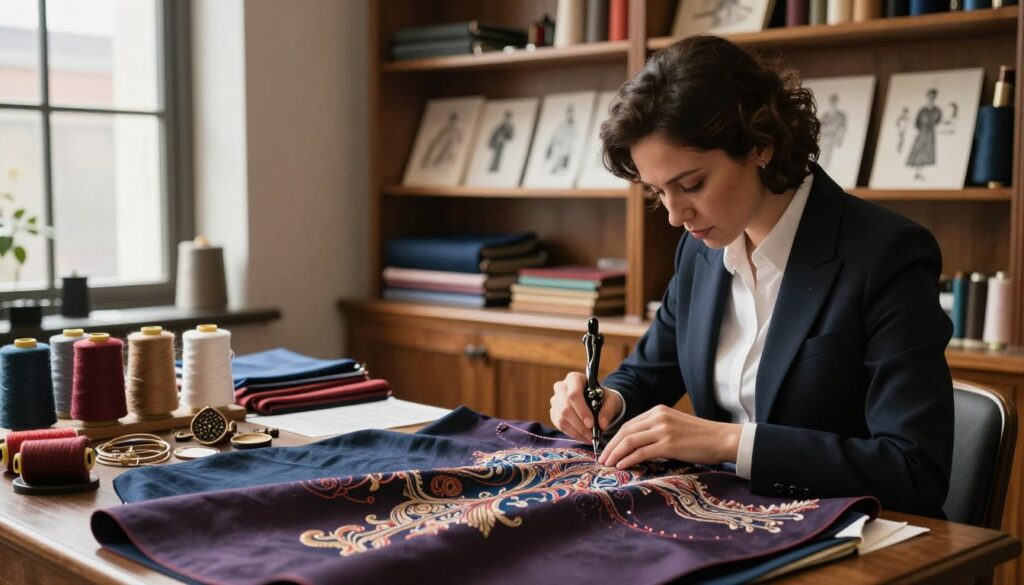
True excellence in this industry often begins with a rich history of skilled artisanship. Two names stand as pillars of this tradition, having built empires on quality and timeless appeal.
Coco Chanel’s Revolutionary Designs
Coco Chanel changed everything for women over a century ago. She created comfortable, masculine-inspired clothing that freed them from restrictive corsets.
Her iconic designs like the little black dress and the 2.55 bag remain staples. Karl Lagerfeld later modernized her vision, saving the brand and propelling it to a multi-billion dollar valuation.
Hermès: A Symbol of Timeless Elegance
Hermès began in 1837 crafting harnesses for horse-drawn carriages. This foundation in functional leather goods established its commitment to unparalleled quality.
Today, its Birkin and Kelly bags are the ultimate symbols of status. Each piece is handcrafted by artisans, creating an aura of exclusivity that defines the fashion house.
| Feature | Chanel | Hermès |
|---|---|---|
| Founding Year | 1909 | 1837 |
| Iconic Product | 2.55 Bag | Birkin Bag |
| Core Material | Tweed, Pearls | Fine Leather |
| Design Philosophy | Elegant Simplicity | Timeless Craftsmanship |
Both brands prove that a deep respect for heritage and craft creates lasting value. Their stories are woven into every stitch and seam.
Iconic Italian Luxury Brands: Gucci, Prada, and Versace
When exploring the world of sophisticated apparel, three Italian powerhouses have consistently defined what it means to push boundaries. Gucci, Prada, and Versace represent distinct approaches within the italian luxury fashion landscape.
Gucci began in Florence in 1912 as a leather goods specialist. The brand created iconic pieces like the bamboo bag before expanding into clothing decades later. Tom Ford’s revolutionary leadership in the 1990s transformed the fashion house with provocative collections that redefined modern style.
Prada’s journey started in Milan in 1913 as a small leather shop. Mario Prada’s granddaughter Miuccia transformed the business into a global force during the 1980s. Her visionary designs established the brand as a symbol of intellectual fashion.
Versace stands out for its bold aesthetic under founder Gianni Versace. Known as the “Rock and Roll designer,” he dressed music icons in statement-making products. The safety pin dress became an iconic symbol of 1990s italian luxury.
| Feature | Gucci | Prada | Versace |
|---|---|---|---|
| Founding Year | 1912 | 1913 | 1978 |
| Iconic Product | Bamboo Bag | Nylon Backpack | Safety Pin Dress |
| Key Figure | Tom Ford | Miuccia Prada | Gianni Versace |
| Design Philosophy | Provocative Luxury | Intellectual Chic | Bold Glamour |
These three italian luxury brands continue to influence contemporary tastes worldwide. Each maintains its unique identity while adapting to evolving consumer preferences in the competitive italian luxury market.
British Elegance and Global Influence in Fashion
Across the Atlantic, two distinct approaches to sophisticated apparel have shaped global wardrobes for generations. These houses represent more than clothing—they embody national identities that resonate worldwide.
Burberry’s Transformative Journey
Founded in 1856 by Thomas Burberry, this British label built its reputation on weather-proof trench coats. The iconic check pattern emerged in the 1920s as a lining, becoming synonymous with the brand’s identity.
Recent years brought significant evolution under creative director Riccardo Tisci. Since 2018, he has introduced fresh designs while honoring the heritage that defines the brand’s enduring appeal.
Ralph Lauren’s Enduring American Impact
Ralph Lauren’s story began with tie sales in 1967, growing into an empire representing classic American style. The polo shirt with its distinctive logo debuted in 1972, becoming an instant classic.
The brand’s influence extends from film costumes to Olympic team outfits. Its flagship store in New York stands as a landmark destination, showcasing the quality and elegance that define this global phenomenon.
Spotlight: Top Luxury Fashion Brands Dominating the US Market
The American luxury landscape presents a fascinating study in consumer behavior and brand strategy. This market demands a careful balance between heritage and innovation to capture attention.
US Consumer Trends in Luxury
American shoppers value authenticity and storytelling. They seek products that combine traditional craftsmanship with modern relevance.
The digital revolution has transformed purchasing habits. Social media now heavily influences buying decisions across the industry. Brands must adapt to these changing preferences.
Celebrity Endorsements and Iconic Collaborations
Strategic partnerships drive brand visibility in competitive markets. Louis Vuitton’s approach demonstrates this perfectly.
The brand collaborates with global icons like BTS and Naomi Osaka. These relationships help reach younger demographics effectively. They create buzz that extends beyond traditional marketing.
Limited edition “drops” generate excitement and urgency. This strategy makes each collection feel exclusive and desirable.
| Strategy | Key Feature | Target Audience | US Market Impact |
|---|---|---|---|
| Celebrity Partnerships | Global influencer collaborations | Millennial/Gen Z consumers | High social media engagement |
| Limited Edition Drops | Time-sensitive releases | Trend-conscious shoppers | Creates purchase urgency |
| Heritage Storytelling | Brand history emphasis | Traditional luxury buyers | Builds long-term loyalty |
These approaches help brands maintain their position in the competitive American luxury market. They blend tradition with contemporary appeal effectively.
Modern Trends and Digital Transformation in Fashion
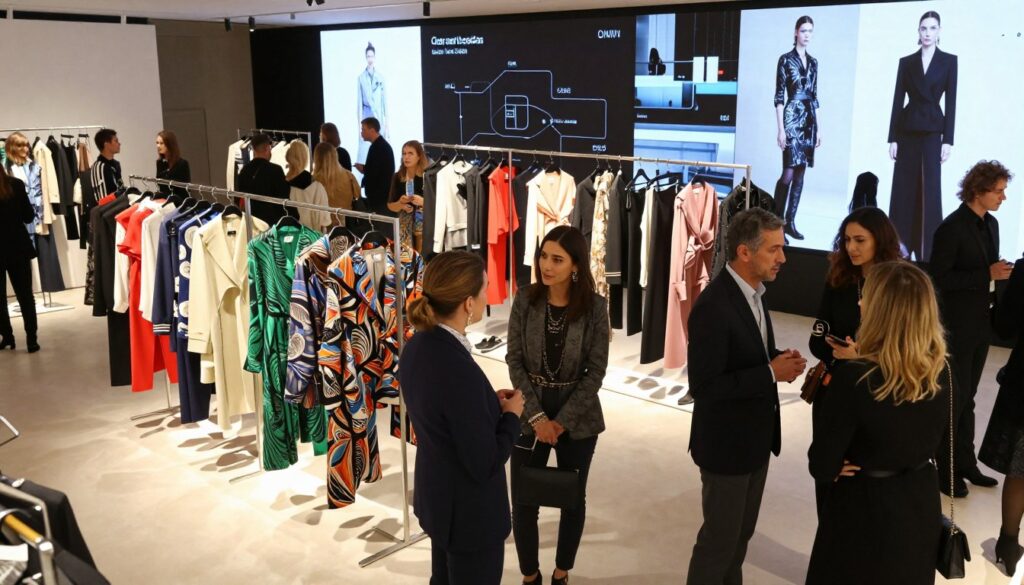
The digital age has rewritten the rules of high-end apparel. Today’s most exciting developments blend physical craftsmanship with virtual experiences. This creates a new style of engagement for the modern fashion world.
Streetwear Influence: Balenciaga and Beyond
Balenciaga’s story shows how a historic fashion house can evolve. Founded by Cristóbal Balenciaga, it was once pure haute couture.
Creative director Demna Gvasalia changed everything in 2015. He shifted the brand toward streetwear with huge success. Iconic designs like “sock sneakers” merged comfort with high fashion.
The Digital Fashion Revolution
Balenciaga also leads in digital innovation. The brand collaborated with Fortnite to launch virtual clothes. It even released its fall ’21 collection through an interactive video game.
This approach redefines the industry. It shows how luxury can exist in digital spaces. Other houses are now exploring similar virtual strategies.
| Aspect | Traditional Approach | Balenciaga’s Modern Shift |
|---|---|---|
| Creative Focus | Formal Elegance | Streetwear & Comfort |
| Presentation | Runway Shows | Digital Games & Videos |
| Product Range | Physical Apparel | Physical & Virtual Items |
| Target Audience | Established Clients | Younger, Digital-Native Consumers |
This balance of haute couture heritage and digital style keeps the brand relevant. It points toward the future of the entire luxury fashion sector.
Sustainability and Innovation in the Luxury Sector
The luxury sector is undergoing a remarkable transformation as environmental consciousness reshapes consumer expectations. Forward-thinking companies are proving that exceptional quality and eco-friendly practices can work together beautifully.
Eco-Friendly Initiatives at Prada and Fendi
Prada has taken significant steps to reduce its environmental impact. The fashion house launched a sustainable nylon line made from recycled materials. They’ve also implemented energy-saving measures across their stores and factories worldwide.
Hermès demonstrates how innovation drives sustainability forward. Their partnership with MycoWorks creates leather alternatives from mushrooms. This unique material maintains the brand‘s high standards while offering an eco-friendly option.
Fendi’s evolution shows how heritage design can adapt to modern values. Known for fur fashion, the company now uses high-quality faux alternatives. They’ve also switched to biodegradable packaging throughout their operations.
These changes reflect a broader shift in the industry. Consumers increasingly demand ethical products without compromising on craftsmanship. The commitment to sustainable materials ensures these luxury fashion brand leaders remain relevant for generations to come.
Exclusive Customer Experiences and VIP Services
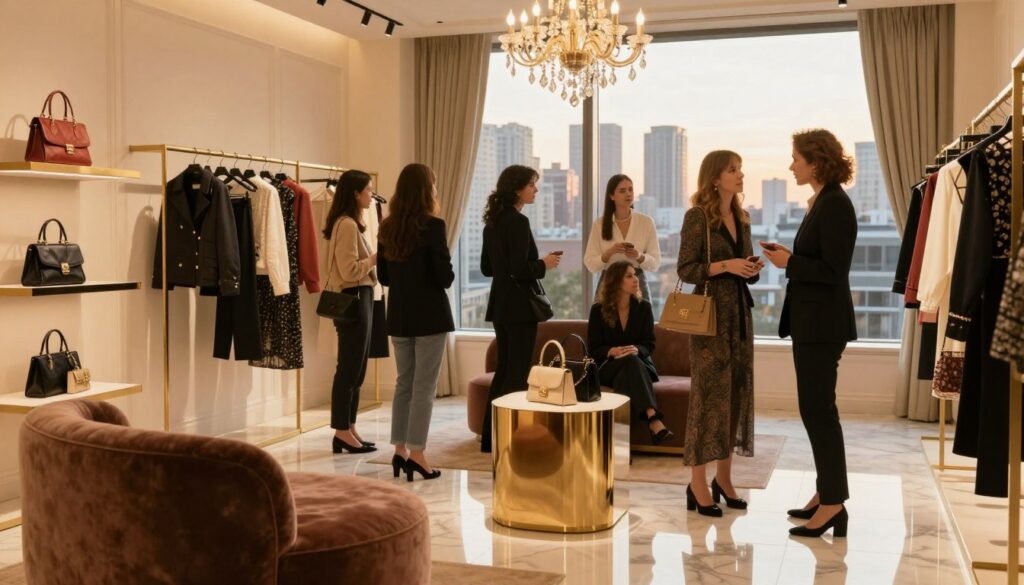
The true magic of high-end retail unfolds in the exclusive experiences crafted for discerning clients. These personalized interactions transform shopping from a transaction into a memorable journey that builds lasting loyalty.
Hermès exemplifies this approach with strategic scarcity tactics. The company limits production of iconic bags like the Birkin and Kelly, keeping exact numbers secret. This creates an air of exclusivity that makes these products highly coveted.
Personalized Shopping and In-Store Events
Access to the most exclusive items often depends on customer history. Regular clients who purchase couture, collections, and accessories receive priority for limited editions. This rewards loyalty while maintaining the brand‘s prestigious positioning.
Private shopping appointments offer completely personalized service. Style advisors provide undivided attention during these sessions. They help clients discover pieces that reflect their individual style and elegance.
In-store events create immersive fashion experiences that go beyond typical retail. Trunk shows, designer meetings, and cocktail parties deepen engagement. These gatherings make customers feel part of an exclusive world where they connect with like-minded enthusiasts.
The family heirloom mentality encourages viewing purchases as investments. This emphasis on tradition and timeless quality makes each piece feel special. It’s why certain brands maintain their appeal across generations.
Influencer Impact and Celebrity Collaborations
Social media platforms have created unprecedented opportunities for prestigious labels to connect with global audiences through strategic collaborations. These partnerships bridge the gap between traditional elegance and modern digital culture.
Social Media Success Stories
Dior demonstrates remarkable digital mastery in today’s competitive landscape. The brand boasts 45 million Instagram followers and generated 1 billion views on its WeChat hashtag challenge.
This impressive reach earned Dior the top position on Launchmetrics’ media impact value list. Their social media strategy shows how digital presence drives brand awareness worldwide.
Strategic Brand Partnerships
Gucci maintains cultural relevance through diverse celebrity alliances. Everyone from actor Xiao Zhan to global icon Harry Styles represents the designer‘s vision.
Saint Laurent cultivates an edgy aesthetic with ambassadors like Zoë Kravitz and Kate Moss. These partnerships create authentic connections that resonate across generations.
Influencer love for logomania ensures continued dominance for forward-thinking brands. Strategic collaborations transform how fashion houses communicate their values in the digital age.
The Art of Accessorizing: Leather Goods, Bags, and More
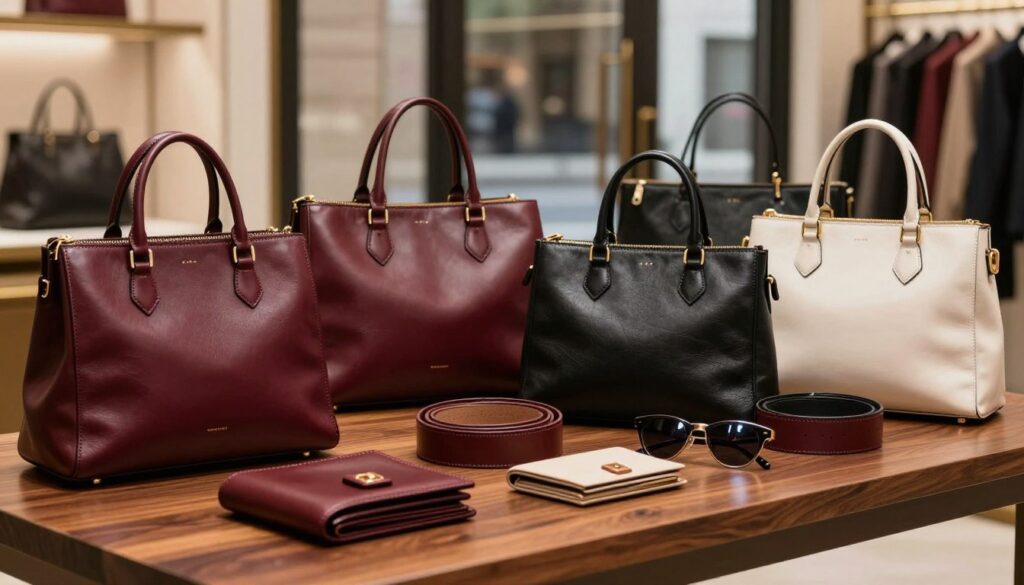
Some of the most coveted items in sophisticated apparel aren’t garments at all, but carefully crafted accessories. These pieces often become the signature elements that define personal style and represent the pinnacle of design excellence.
Fendi has built an outstanding reputation for producing exceptional leather goods. Their iconic creations like the Baguette and Peekaboo bags showcase remarkable craftsmanship. Each piece demonstrates timeless elegance that transcends seasonal trends.
Crafting Iconic Bags and Accessories
Bottega Veneta takes a different approach with strong sustainability values. The brand uses traditional techniques while focusing on environmental responsibility. Their leather comes as a byproduct of the food industry, reducing waste.
Under creative director Daniel Lee, Bottega Veneta experienced a remarkable revival. The Pouch bag and Lido sandals gained cult status among style enthusiasts. This success drove a impressive 69% revenue increase in 2021.
These accessories represent more than functional items. They become investment pieces that maintain value over time. The attention to detail in every stitch reflects the brand’s commitment to quality.
| Feature | Fendi | Bottega Veneta |
|---|---|---|
| Signature Material | Fine Leather | Sustainable Leather |
| Iconic Product | Baguette Bag | Pouch Bag |
| Design Focus | Timeless Elegance | Modern Sustainability |
| Craftsmanship Approach | Traditional Techniques | Innovative Revival |
The enduring appeal of well-made accessories continues to shape the industry. These pieces serve as entry points for new customers while generating significant revenue. Their lasting value makes them worthy investments for discerning collectors.
Impact of Global Trends on High Fashion Design
Contemporary design studios must navigate a complex web of international influences while preserving their unique creative identities. The global fashion landscape constantly evolves through cultural exchanges and technological advances.
Leading fashion houses carefully monitor worldwide movements. They balance innovation with heritage to create designs that feel both current and timeless. This approach ensures their brand remains relevant across different markets.
Globalization has transformed how collections are conceived. Designers now create pieces that resonate across cultures and climates. They maintain cohesive messaging while adapting to local preferences throughout their international presence.
Social movements shape creative directions in meaningful ways. Sustainability awareness and diversity advocacy influence material choices and marketing strategies. Digital lifestyles push the industry toward virtual experiences and online engagement.
Fashion capitals like Paris and Milan set trends that ripple worldwide. Their seasonal showcases introduce innovative ideas that shape consumer desires. Economic shifts in emerging markets also influence where brands focus their expansion efforts.
The most successful studios leverage global insights while honoring their history. They create collections that appeal to diverse, sophisticated audiences across the world. This balance between trend responsiveness and brand authenticity defines modern style excellence.
Emerging Designers and Future Directions in Luxury
The horizon of high-end apparel is expanding with fresh voices and groundbreaking approaches. A new wave of creators is redefining elegance for a modern audience. They prioritize meaningful stories and ethical practices.
These innovators blend age-old skills with new tech. Think 3D-printed items and smart fabrics. They build direct relationships with their audience online.
Innovations Shaping the Next Generation of Luxury
Young designers are changing the industry from the ground up. Sustainability is now a core value, not an add-on. They use digital tools to create unique, personalized collections.
Their design philosophy centers on authenticity and purpose. This resonates deeply with younger shoppers. These consumers value experience and transparency as much as the product itself.
| Aspect | Emerging Designer Approach | Established House Approach |
|---|---|---|
| Business Model | Direct-to-Consumer, Digital-First | Traditional Retail, Wholesale |
| Core Focus | Sustainability & Community | Heritage & Craftsmanship |
| Innovation Driver | Technology & Ethical Materials | Evolution of Signature Styles |
This exciting shift ensures the fashion world continues to evolve. The next ten years will be shaped by this new line of thinking. It’s a vibrant future for the entire label ecosystem.
Conclusion
The exploration of distinguished labels showcases a fascinating blend of tradition and forward-thinking vision. These exceptional names have demonstrated remarkable resilience in a changing world.
From heritage-rich houses to digitally-native innovators, the common thread remains quality and authentic storytelling. Each brand we’ve examined brings unique style and commitment to excellence.
The future looks bright for this dynamic industry. Emerging voices will continue pushing boundaries while honoring timeless craftsmanship. This balance ensures lasting relevance for discerning consumers.
Whether you appreciate classic elegance or cutting-edge design, understanding these leaders provides valuable insight. They represent the pinnacle of creative expression and business excellence.
FAQ
What makes a fashion house a true luxury brand?
How are Italian luxury brands like Gucci and Prada staying relevant?
What role does sustainability play in high fashion today?
How has digital transformation affected the way we experience luxury fashion?
Why are accessories like leather goods and bags so important to these brands?
What is the impact of celebrity collaborations in the industry?

Sharon Molly is a content creator in lifestyle, fashion, and travel, delivering style-savvy advice and destination insights to inspire confident living. With a background in digital media, she combines aesthetics with practical guidance for modern women on the go.