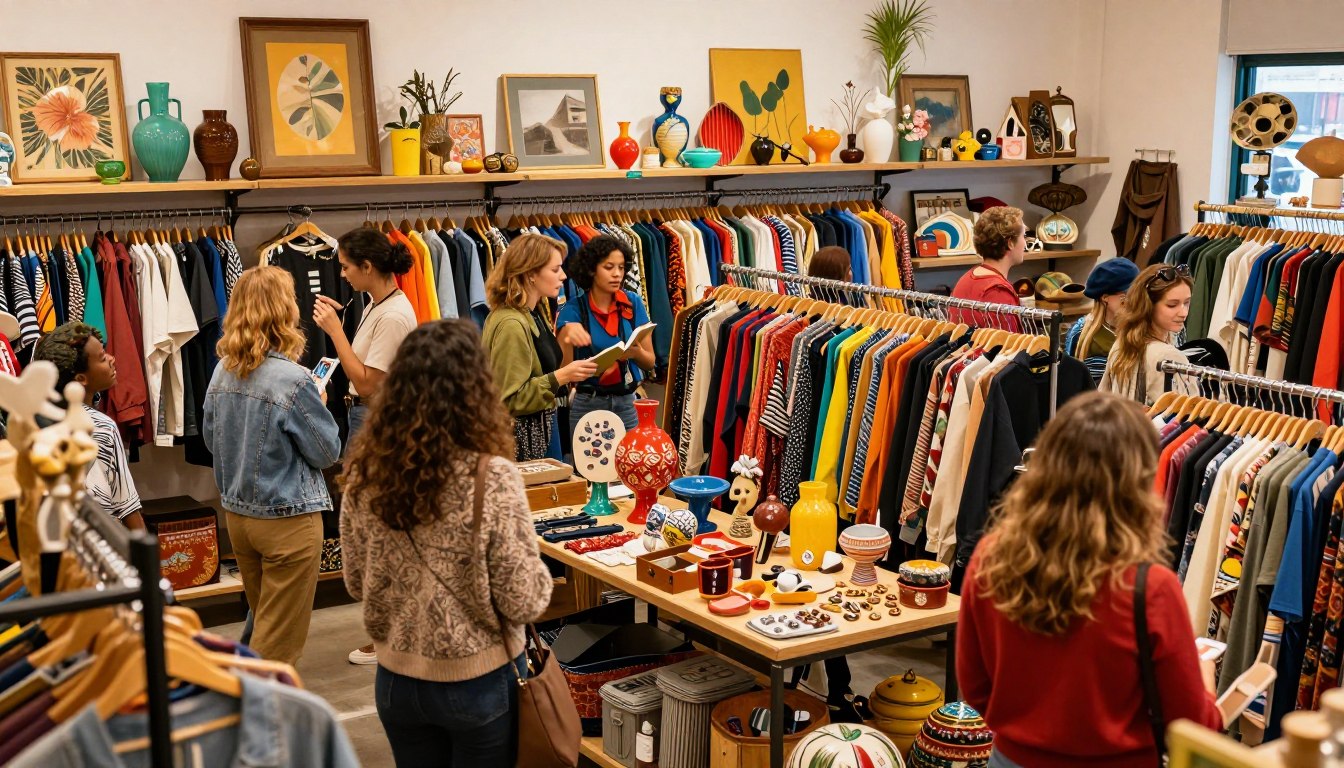
Best Thrift Store Shopping Tips
What if everything you thought about secondhand shopping was completely wrong? Many people believe finding quality items at these locations is just about luck, but that couldn’t be further from the truth.
Successful thrifting requires specific techniques that turn random browsing into strategic treasure hunting. This guide reveals insider secrets from experienced shoppers who consistently discover amazing pieces.
Whether you’re new to secondhand locations or want to improve your skills, these methods will transform your approach. You’ll learn how preparation, timing, and evaluation skills make every visit productive.
Beyond saving money, choosing pre-owned goods helps reduce fashion’s environmental impact. Each purchase keeps textiles out of landfills and lowers carbon footprints.
Get ready to see these spaces through new eyes. Incredible discoveries await when you know what to look for and how to find them.
Key Takeaways
- Secondhand shopping success comes from strategy, not just luck
- Proper preparation makes every visit more productive
- Timing and location selection significantly impact your finds
- Quality evaluation skills help identify hidden treasures
- Experienced thrifters use specific techniques for consistent results
- Every secondhand purchase benefits the environment
- These methods work for beginners and experienced shoppers alike
Understanding the Thrift Mindset
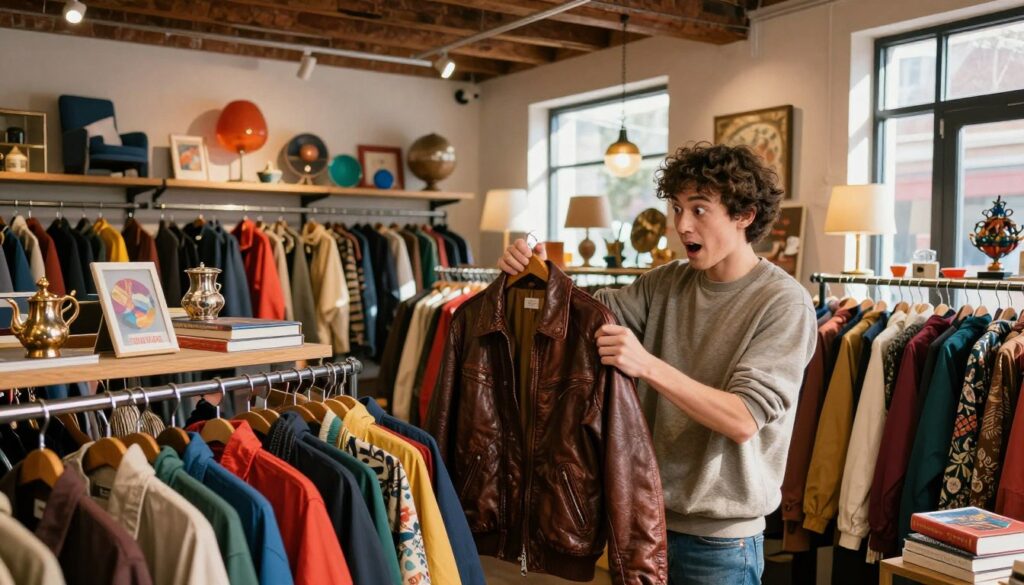
Many overlook the psychological preparation needed for truly rewarding secondhand excursions. Your approach determines whether you leave frustrated or with fantastic finds.
Embracing the Treasure Hunt Mentality
Successful browsing requires a treasure hunter’s mindset. You need patience to sift through racks and shelves with an open mind.
Being in the right mood makes all the difference. If you’re tired or rushed, grab coffee first or reschedule. Focused energy helps spot hidden gems among ordinary items.
| Traditional Shopping | Treasure Hunt Approach | Key Difference |
|---|---|---|
| Known inventory | Surprise discoveries | Expectation management |
| Quick, targeted trips | Leisurely exploration | Time investment |
| Specific item focus | Open-minded browsing | Flexibility required |
Setting Realistic Expectations
Not every visit yields amazing discoveries. The right mindset helps you enjoy the process regardless of immediate results.
You never know what treasures await each trip. Celebrate small wins and view each visit as an enjoyable activity rather than a chore. The hunt itself becomes rewarding when you approach it with curiosity.
Preparing for Your Thrifting Adventure
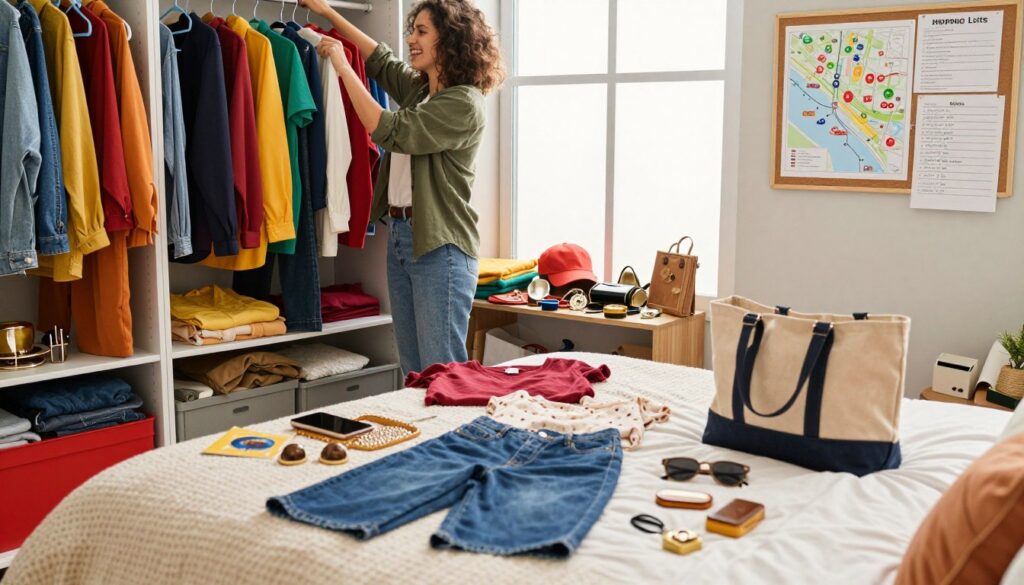
Smart treasure hunters know that the real work begins long before they start browsing through racks of clothing. Proper preparation transforms overwhelming choices into targeted discoveries.
Creating a Must-Have List
Walking into a secondhand location without a plan can feel overwhelming. Create a simple list of desired clothing pieces and home decor items you genuinely need.
Keep this list on your phone’s Notes app for easy access. It helps you stay focused like a grocery list, but remain open to unexpected treasures.
Knowing Your Measurements and Needs
Sizing varies dramatically across brands and decades. A measuring tape provides reliable information when fitting rooms are unavailable.
Measure your favorite shirts from pit to pit and record arm length. For pants, note the inseam and waist measurements. Keep these numbers handy on your phone.
Always carry a small keychain measuring tape. This tiny tool ensures your finds will fit perfectly, giving you confidence in your selections.
Optimizing Your Visit Through Timing and Location
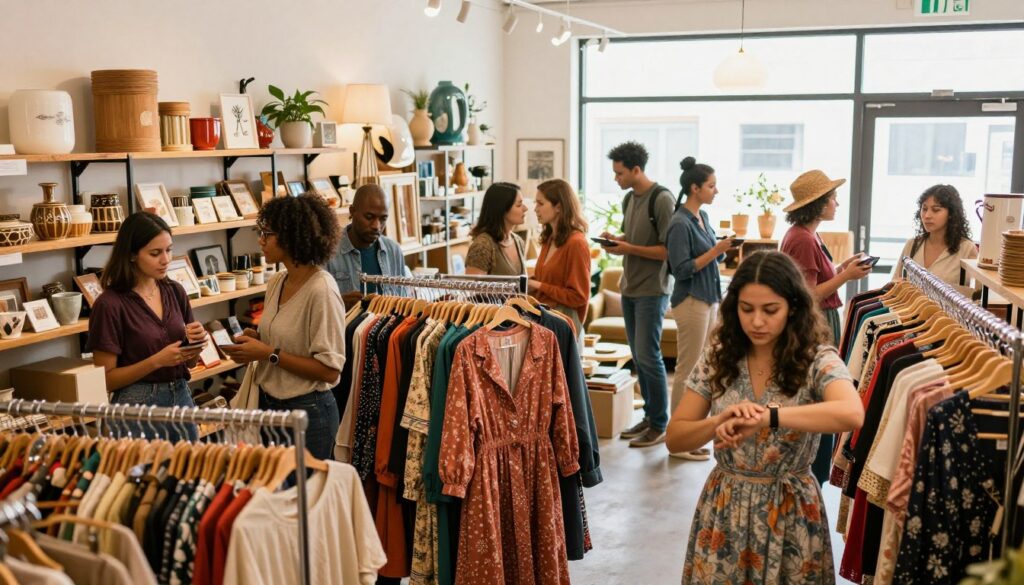
The secret to consistent treasure hunting success lies in understanding when and where to search. Strategic planning in these two areas can dramatically improve your finds.
Best Times to Shop for New Arrivals
Early morning visits offer the cleanest environment and first access to freshly stocked merchandise. Staff typically restock overnight, making mornings ideal for spotting new items as they hit the floor.
Avoid crowded days like senior discount Tuesdays when carts disappear and racks become chaotic. Instead, plan your trips for Wednesday through Saturday when weekend donations have been processed.
Visit your favorite local thrift spots 1-2 times weekly to increase chances of catching perfect pieces. Following stores on social media provides advance notice of special arrivals.
Choosing the Right Thrift Stores
Location selection significantly impacts both quality and pricing of discoveries. Different areas offer distinct advantages for various shopping goals.
| Store Location | Key Characteristics | Ideal For |
|---|---|---|
| High-Income Suburbs | Quality brands, higher prices | Premium finds |
| Dense Urban Areas | Busy, picked-over inventory | Convenience only |
| Rural Locations | Affordable, rare vintage items | Unique discoveries |
Stores in wealthy neighborhoods often feature designer labels but command premium prices. Rural locations offer incredible bargains and hidden vintage treasures with less competition.
Navigating and Exploring the Store Layout
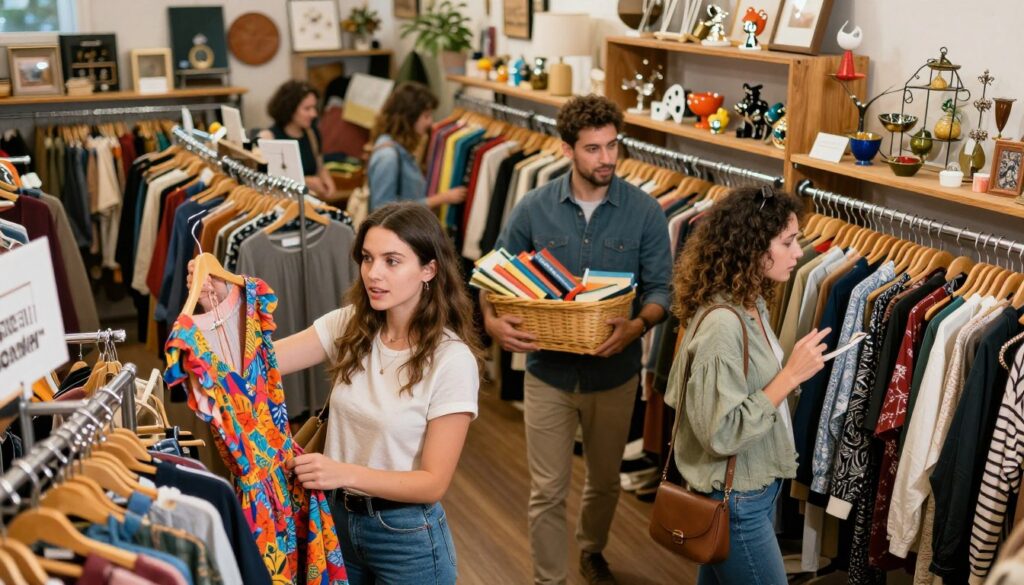
How you move through the space can dramatically impact your discovery rate and overall experience. Effective navigation turns overwhelming aisles into organized treasure hunts.
Scanning Through All Sections
Comprehensive browsing is essential for successful secondhand excursions. Even when searching for specific items, explore every section of the store. You might discover unexpected inspiration in areas you’d normally skip.
Develop a quick scanning technique rather than examining each piece individually. Slide hangers efficiently while keeping your eye trained for quality materials and unique finds. This approach lets you cover more ground in less time.
Many experienced treasure hunters prefer visiting multiple stores briefly rather than spending hours at one location. This strategy exposes you to diverse inventory and increases discovery opportunities.
Finding Hidden Gems in Unexpected Places
These establishments don’t maintain pristine organization like traditional retail. Shoppers frequently return things to wrong spots, and staff can’t always categorize merchandise correctly.
Always check size sections beyond your usual range. Beautiful smaller pieces often hide in XL areas. The men’s section deserves special attention regardless of gender.
One shopper shared, “I found perfect vintage jeans in the men’s section after learning this secret.” This area frequently contains oversized graphic tees, vintage flannels, and unique jackets that become wardrobe favorites.
Best Thrift Store Shopping Tips for Scoring Unique Finds
Sometimes the best finds aren’t what you’re looking for, but what finds you. That moment when a unique piece catches your eye often signals something special worth investigating further.
Trusting Your Instincts When Browsing
When something makes you pause during your browse, trust that feeling. Your gut reaction often spots quality and character before your conscious mind processes why.
Look for items that stand out from mass-produced goods. Vintage treasures and handmade creations become conversation starters. Don’t play it safe—this is your chance to experiment with bold patterns.
Imagine creative uses for unexpected finds. A quilt becomes dramatic wall art. A decorative pot transforms into a table base. Curtains and tablecloths offer ready-made fabric for DIY projects.
Natural fabrics like wool, silk, and cotton offer superior quality. They feel more luxurious and last longer than synthetic materials. These natural textiles don’t release microplastics when washed.
Review your Pinterest boards before shopping trips. This refreshes your visual inspiration and helps you recognize special pieces. You never know what vintage gem might be waiting.
Focus on these productive sections: suits in both men’s and women’s areas, the men’s section for plain tees, purses for compliment-worthy bags, and art for hand-painted originals. Each discovery tells a story that new items can’t replicate.
Evaluating Quality and Sustainability
Your eagle-eyed inspection at the thrift store separates true treasures from future regrets. Many people donate items specifically to clear out stuff that’s no longer in good shape.
Before purchasing any clothing, run through this quick quality checklist. Look closely for permanent stains, fabric snags, broken zippers, or missing buttons.
Make sure to check for rips or holes that would require repairs you’re not ready to handle.
Inspecting Items for Wear, Stains, and Odors
This next step feels awkward but is absolutely essential. Always give potential finds a quick smell test before committing.
If an item reeks of smoke or mildew, you’ll regret that purchase later. You could spend years and multiple wash cycles trying to remove stubborn odors.
Once home, immediately wash all your secondhand discoveries in hot water. This basic hygiene step ensures your pre-loved items are fresh and clean for use.
Understanding the Impact of Second-Hand Shopping
Choosing used clothing over buying new creates a powerful positive environmental impact. Creating new products drains our planet’s finite resources.
The fashion industry is the second-largest global contributor of carbon emissions. Shockingly, less than 25% of donated stuff actually gets purchased from these places.
The remaining 75% often travels abroad, gets cut for rags, or ends up in landfills. This challenges the idea that donating is a guilt-free way to dispose of goods.
One person started a challenge to avoid buying new clothing for six months back in 2019. Over three years later, they’re still thriving without new purchases, proving it’s completely possible.
Creative Ideas to Maximize Your Thrifting Success
The real magic happens when you see potential where others see cast-offs. Creative approaches transform basic finds into personalized treasures that reflect your unique taste.
Upcycling and Repurposing Vintage Finds
Think of every discovery as raw material for creative projects. A vintage dress can be shortened into a trendy top. Dated picture frames become fresh with spray paint.
Furniture pieces transform with new hardware or fresh color. This approach lets you create statement items for your home at minimal cost.
| Temporary Solutions | Permanent Upgrades | Creative Approach |
|---|---|---|
| Basic plates and cups | Tailored clothing | Immediate functionality |
| IKEA items at discount | Customized furniture | Environmental benefit |
| Essential housewares | Transformed decor | Budget-friendly |
Remove stubborn stickers with a blow dryer or rubbing alcohol. Test chemicals on hidden areas first to protect your piece.
Styling Your New and Pre-Loved Pieces
Mix vintage discoveries with your existing wardrobe and home decor. This creates an eclectic style that’s uniquely yours.
Don’t overlook home decor sections. Vintage glassware makes perfect vases. Woven baskets offer stylish storage solutions.
Jewelry sections sometimes hide real gold or silver pieces. The low prices mean you can afford tailoring for perfect fits.
Your space becomes a reflection of your creativity rather than looking like everyone else’s catalog showroom.
Conclusion
Your journey into secondhand discovery begins with a simple shift in perspective. Approach each visit as an exciting treasure hunt rather than a chore. This mindset, combined with the practical tips shared here, transforms overwhelming racks into opportunities.
Remember your preparation checklist before you shop. Know what you’re looking for and keep measurements handy. Choose the right time to visit when stores are freshly stocked.
Explore every section thoroughly, trusting your instincts when unique finds catch your eye. Always inspect items carefully for quality before purchasing.
Bring hand sanitizer and wear layers for easy trying-on. Follow local thrift stores for sales and reward programs. Many people discover they can shop exclusively secondhand for months or even years.
The most complimented clothes and home things often come from these adventures. Your unique style and sustainable choices make every find special.
FAQ
What’s the best way to start thrifting?
When is the ideal time to visit a thrift shop?
How can I find high-quality clothing and home decor?
Is it worth shopping at multiple locations?
What should I do if I find something that needs a little repair?

Eduard Kingly is a travel and lifestyle content creator with a focus on personal development and education. He combines firsthand travel experiences with research-driven insights to guide readers in discovering new places, building better habits, and pursuing meaningful learning.