
Emergency Fund Calculator
What if the biggest threat to your financial stability isn’t a market crash, but your own car breaking down on a random Tuesday?
Life is full of surprises, and not all of them are pleasant. A financial safety net is your best defense against these unexpected events. This cushion helps you handle sudden costs without falling into debt.
A common goal is to save enough to cover three to six months of your essential living costs. This sum acts as a powerful buffer. It protects you from the stress of unforeseen medical bills, urgent car repairs, or a sudden job loss.
If that total seems too high right now, don’t worry. Starting with a smaller, more manageable goal is a fantastic first step. Something like $500 in a dedicated savings account can make a huge difference. It can cover a surprise bill and keep you on solid financial ground.
Our free tool is designed to remove the guesswork. It helps you quickly determine your personalized savings target. You input your monthly expenses, and it shows you the exact amount you need to save for peace of mind.
Key Takeaways
- A financial safety net protects you from life’s unexpected costs.
- A common target is saving three to six months of essential living expenses.
- This cushion helps you avoid debt during a personal crisis.
- Starting with a small goal, like $500, is a meaningful and achievable first step.
- Our tool provides a clear, personalized savings target to work towards.
- Knowing your specific goal makes it easier to create an actionable plan.
- Building this security is a journey, and every bit of progress counts.
The Role of an Emergency Fund in Financial Security

True financial confidence doesn’t come from a huge investment portfolio, but from knowing you can handle a surprise bill. This safety net is the foundation of your entire financial plan. It acts as your personal insurance policy against life’s unpredictable challenges.
Why Three to Six Months of Expenses Matter
Financial experts often suggest saving three to six months of basic living costs. This timeframe isn’t arbitrary. It’s designed to cover most common situations that can disrupt your income.
This cushion helps you avoid high-interest debt when an emergency strikes. It keeps you on track with your long-term goals, even during a personal crisis.
The range accounts for different life situations. A dual-income household might feel secure with three months of savings. Someone who is self-employed or has a single income may want to aim for six months or more for extra security.
Examples of Unexpected Financial Setbacks
Life can present costly surprises when you least expect them. Having a dedicated savings account prepares you for events like:
- A major car repair that costs hundreds of dollars.
- A medical issue not fully covered by your insurance.
- An urgent home repair, like a leaking roof.
- An unexpected job loss that takes time to recover from.
Building this security is a journey. While the total amount for three six months of expenses might seem large, it’s completely achievable with a steady plan. The ultimate benefit is profound peace of mind, reducing stress and letting you sleep better at night.
Using the Emergency Fund Calculator for Financial Preparedness

Transforming financial uncertainty into confidence requires one crucial first step: determining your specific safety net amount. Our free tool simplifies this process, giving you a clear target to work toward.
Inputting Your Monthly Essential Expenses
Start by gathering information about your basic living costs. Focus only on essential items you cannot live without during tough times.
Your monthly essential expenses include housing, utilities, groceries, transportation, and insurance. Don’t include discretionary spending like entertainment or dining out. These can be reduced if needed.
Next, choose your desired coverage period. Most people select three to six months based on their job stability and comfort level. The fund calculator then does the math for you.
Interpreting Your Savings Goal
The result shows the total dollar amount you should aim to have in your emergency savings account. This number represents your financial security target.
If the figure seems large, remember it’s a goal to build toward gradually. Write it down or take a screenshot for motivation. Revisit the calculator every six months or when your expenses change significantly.
This personalized goal becomes the foundation for your monthly savings plan. It turns abstract worry into concrete action steps for your financial future.
How to Calculate Your Emergency Fund Requirements

Knowing your exact savings goal turns a vague idea into an achievable plan. This process involves two main parts: figuring out your essential monthly costs and then doing the simple math.
Assessing Your Essential Monthly Spending
Start by gathering your bank and credit card statements from the last three to six months. Look for your essential living costs. These are the bills you must pay no matter what.
True essentials include housing, utilities, groceries, transportation, insurance premiums, and minimum debt payments. Don’t forget costs like car maintenance that can pop up unexpectedly.
Step-by-Step Calculation Process
Follow these clear steps to find your target. Being thorough here is key to building a safety net that truly protects you.
| Step | Action | Important Note |
|---|---|---|
| 1 | Add all essential expenses for one typical month. | Focus on bare-bones needs, not lifestyle spending. |
| 2 | Review several months to find an average. | This accounts for seasonal changes, like higher heating bills. |
| 3 | Confirm your average monthly total. | Use a budget app or spreadsheet for accuracy. |
| 4 | Multiply the average by your chosen timeframe (e.g., 3 or 6 months). | This gives you the target amount. |
| 5 | Round up the final number slightly. | This creates a small buffer for your fund, ensuring full preparedness. |
This calculated total is your personalized emergency fund goal. It prepares you for any real emergency without stress.
Evaluating Savings Vehicles for Your Emergency Fund
Your financial cushion deserves a secure and productive place to grow while remaining ready when needed. Choosing the right type of account is crucial for balancing accessibility, safety, and growth potential.
Savings Accounts and High-Yield Options
A standard savings account provides easy access to your cash when surprises happen. High-yield versions offer significantly better interest rates while keeping your money safe.
Current competitive options include Forbright Bank Growth Savings at 4.00% APY and Varo Savings Account offering up to 5.00% APY. E*TRADE Premium Savings provides 3.50% APY. All these accounts have no minimum balance requirements.
These high-yield savings accounts are FDIC-insured up to $250,000. This protection means your money stays secure even if the bank faces challenges.
The Role of CDs and Money Market Accounts
Certificates of deposit (CDs) often pay slightly higher rates, like Bread Savings CD at 4.05% APY. However, they lock up your money for fixed terms ranging from six months to one year.
Money market accounts can serve as a middle ground. They typically offer competitive rates with check-writing privileges. These may require higher minimum balances than standard savings options.
Remember that immediate access matters most for your core safety net. Prioritize liquidity over chasing the absolute highest returns. Your protective savings should work for you without being trapped when urgent needs arise.
Strategies to Build and Automate Your Emergency Savings
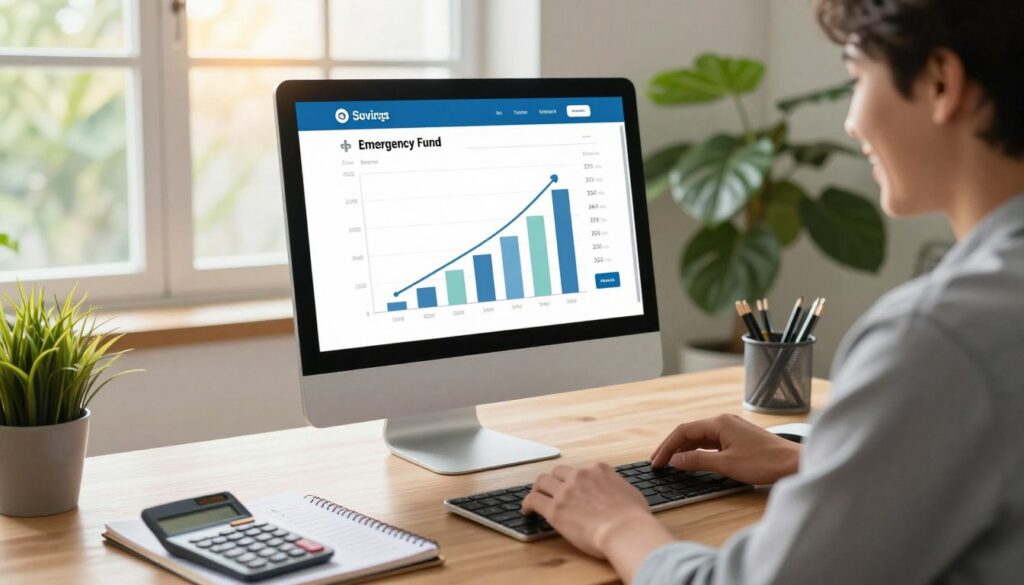
The most powerful savings strategy isn’t about willpower—it’s about creating a system that works automatically. Consistency is the secret ingredient that turns small contributions into meaningful financial security over time.
Setting Up Automated Transfers
Begin by opening a dedicated high-yield savings account separate from your checking. This creates a clear boundary for your protective money. Choose an institution that offers good interest rates while keeping your cash accessible.
Next, determine a realistic amount to save from each paycheck. Even small amounts create momentum. Saving just $10 weekly grows to over $500 in one year.
Schedule automatic transfers to occur right after your paycheck deposits. Treat this transfer as a non-negotiable bill that gets paid first. The money moves before you have a chance to spend it elsewhere.
This approach has a wonderful psychological benefit. You never feel the “loss” of the money because it happens seamlessly. Your savings grow effortlessly while remaining available for true needs.
Remember that using your safety net for actual emergencies is completely normal. The key is to replenish what you use and continue building toward your next goal.
Celebrate milestones along the way! Each $500 or $1,000 marker represents real progress. These achievements maintain motivation during your journey to full financial preparedness.
Financial Tips for Adjusting Your Emergency Fund Over Time
Life’s constant changes mean your financial protection plan must evolve right alongside them. Your safety net isn’t a one-time setup. It requires regular check-ups to stay effective.
Think of it as maintaining a crucial part of your financial health. A yearly review is a great habit to start.
Reviewing and Modifying Your Savings Plan
Major life events are clear signals to reassess your cushion. Getting married, having a child, or buying a home all shift your monthly needs. Your savings target should reflect these new realities.
Even without big events, your spending naturally changes. As your income grows over the year, your lifestyle expenses often do too. This means recalculating your target amount to maintain the same level of security.
Paying off a significant debt is a fantastic opportunity. You can redirect those former payments to build a larger safety net. Your monthly obligations have changed, so your protection should grow.
Job stability is another key factor. Moving from a salaried position to freelance work increases risk. In this case, aiming for a larger cushion, like six months of expenses, is a wise move.
If you need to use a significant portion of your savings, replenishing it becomes your top priority. Before focusing on other goals, restore your financial buffer.
| Life Event | Impact on Monthly Expenses | Recommended Action |
|---|---|---|
| New Job (Higher Pay) | Likely Increase | Recalculate your target savings number. |
| Paying Off a Car Loan | Decrease | Consider boosting your safety net with the extra cash. |
| Starting a Family | Significant Increase | Review and likely increase your savings goal substantially. |
| Transition to Self-Employment | Variable Income | Aim for a larger cushion (6+ months) for stability. |
Your initial savings number is just a starting point. As you become more financially secure, you might choose to save even more for greater peace of mind.
Special Considerations for Military Spouses and Unique Situations
Military spouses face financial challenges that most civilian families never encounter. Their resilience shines through frequent moves and deployments that can disrupt careers and create income instability.
Navigating Unique Financial Challenges
Frequent relocations every few years make consistent employment difficult for military partners. This reality means their safety net needs extra strength. Deployments add another layer of financial uncertainty that civilian families typically avoid.
For these reasons, military families should consider saving toward the higher end of the recommended range. Aiming for six months of expenses or more provides crucial stability. This larger cushion helps navigate the special circumstances they face.
Other situations also warrant larger emergency savings. Single-income households, self-employed individuals, and families with chronic health conditions need extra protection. Older homeowners and people in volatile industries benefit from more substantial reserves too.
If a large savings number feels overwhelming, build your cushion in stages. Start by reaching three months of expenses, then four, then six. This gradual approach makes the goal more manageable.
Be patient with your progress if you face special circumstances. Your journey might take longer, but the financial security is worth every effort. Remember that starting with any amount beats waiting for perfect timing.
Focus on consistent progress rather than perfection. Every dollar saved moves you closer to peace of mind, regardless of your unique situation.
Conclusion
Every great financial plan has one essential foundation: a dedicated safety net for life’s surprises. This emergency fund provides the security you need to handle unexpected costs without stress. The target amount of three to six months of basic living expenses gives you real peace of mind.
Now you have a clear savings goal to work toward each month. The real progress happens when you consistently add to your dedicated account. Building your emergency savings is a journey that brings you closer to true financial freedom.
Remember that every dollar saved moves you forward. Your commitment to setting aside cash for surprises protects your future. Start building your financial safety net today—your future self will thank you for this powerful step toward security.
FAQ
Why is having a cash reserve for living costs so important?
How do I figure out the right amount of money to save?
Where is the best place to keep this money?
What’s the easiest way to start building my reserve?
Should I ever change the amount I have saved?

Sharon Molly is a content creator in lifestyle, fashion, and travel, delivering style-savvy advice and destination insights to inspire confident living. With a background in digital media, she combines aesthetics with practical guidance for modern women on the go.