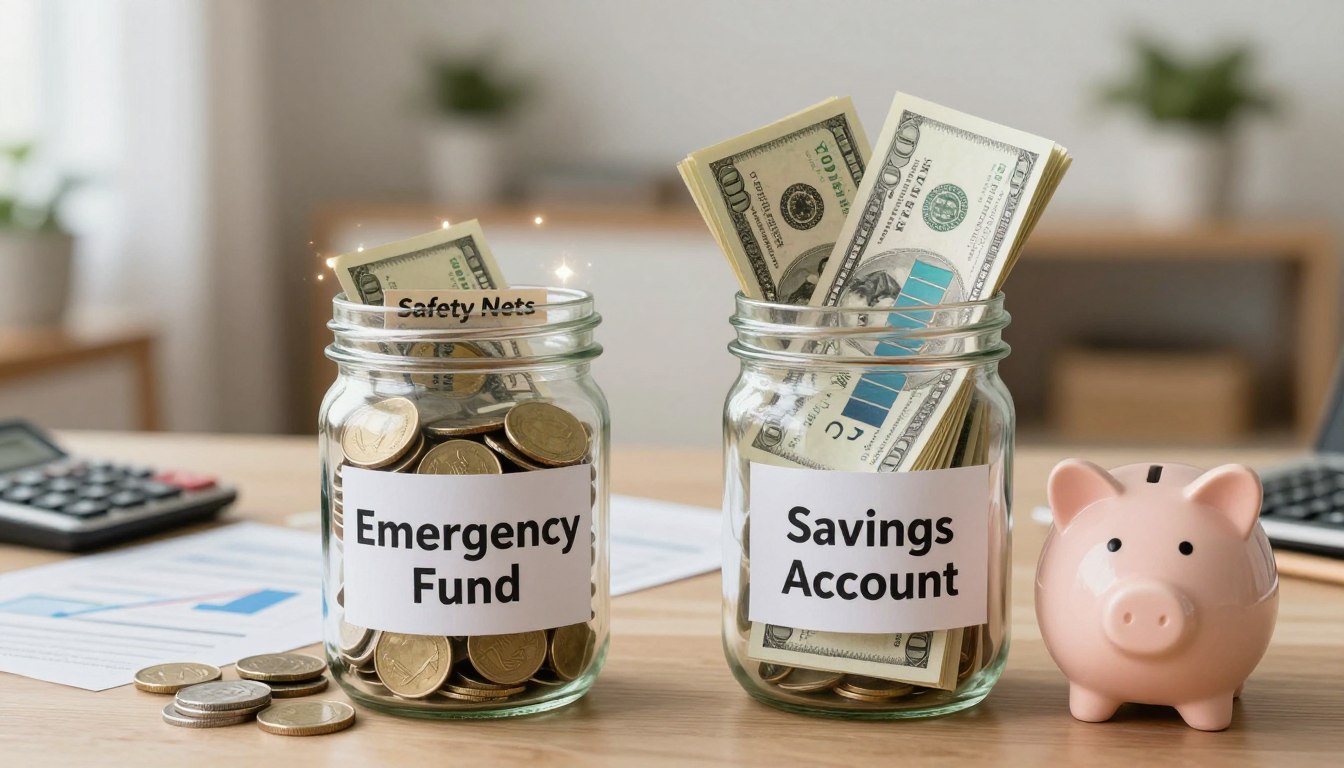
Emergency Fund vs. Savings Account
Have you ever wondered if the money you’re setting aside is truly working as hard as it could for your future? Many people use a single pot for everything, from a surprise car repair to a dream vacation. But what if that approach is holding you back?
This guide will clear up the confusion. We’ll break down the unique jobs of two essential financial tools. One acts as a safety net for life’s unexpected turns. The other helps you build toward your planned financial goals.
Understanding this difference is a game-changer. It can reduce stress and put you in control. You’ll learn how much to save, where to keep it, and the right time to use each type of account. Let’s build a strategy that protects your today and funds your tomorrow.
Key Takeaways
- An emergency fund and a savings account serve two very different, but equally important, purposes.
- Knowing the distinction helps you avoid dipping into long-term goals for short-term crises.
- A dedicated safety net provides peace of mind when unexpected expenses arise.
- Separate accounts create a clear path for achieving specific dreams and purchases.
- This foundation is a critical step toward overall financial well-being and security.
Introduction to Financial Safety & Goals
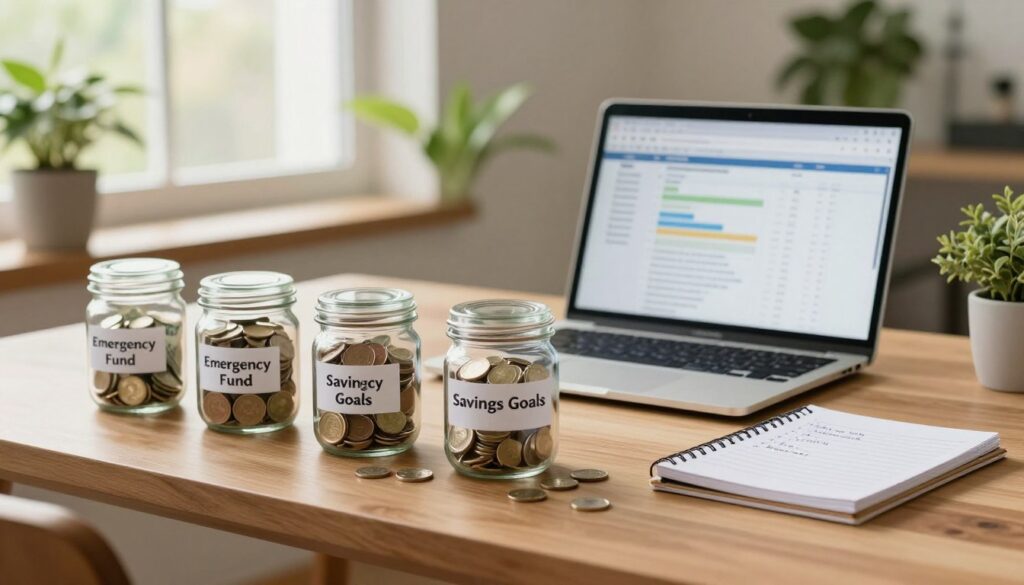
Imagine a financial plan that acts like a sturdy umbrella, ready to shield you from both sudden storms and sunny-day outings. This is the power of understanding financial safety. It’s not about having a massive fortune. It’s about being smart with what you have.
By giving your money clear purposes, you build a foundation of security. This approach turns anxiety into confidence. Let’s explore how to set this stage.
Setting the Stage for Financial Security
Life is full of surprises. Some are wonderful, like a wedding or a vacation. Others, like a car breakdown or a medical bill, can be stressful. The key is preparation.
Having dedicated funds for different scenarios gives you peace of mind. You know you can handle a curveball without derailing your dreams. It’s about creating flexibility for whatever time brings.
The Role of Savings in Managing Life’s Surprises
Your savings play a dual role. They help you prepare for the unexpected while also funding your future goals. Think of it as having two separate buckets.
One bucket is for life’s surprises. The other is for your planned financial goals, like a down payment on a home. This separation makes tracking progress simple.
Many people find that having distinct savings categories is a game-changer for their budget. It ensures you’re ready for an emergency and that dream purchase. This intentional strategy is the heart of true savings success.
What is an Emergency Fund?
A dedicated financial safety net serves as your first line of defense against life’s unpredictable moments. This special reserve helps you weather financial storms without compromising your future plans.
Definition and Purpose
An emergency fund is money set aside specifically for sudden, unavoidable costs. It acts as a buffer that keeps you from dipping into long-term savings or relying on credit when surprises happen.
The purpose is simple: financial protection. This cushion ensures that unexpected medical bills or urgent car repairs don’t derail your progress toward bigger goals.
When and Why to Use an Emergency Fund
Use this resource for true emergencies that demand immediate attention. Think situations like sudden job loss or critical home repairs that can’t wait.
These unexpected expenses require quick action. Your safety net provides the means to handle them calmly, without the stress of finding money elsewhere.
What is a Savings Account?

Think of a savings account as a dedicated workspace for your future purchases and aspirations. It’s where you intentionally set aside money for things you’re excited about, separate from your daily spending cash.
This type of account is your go-to tool for turning dreams into achievable plans.
Features and Benefits
A key advantage of this account is that your deposit typically earns interest. Your money can grow a little while it waits for you.
Safety is another major benefit. Most banks are FDIC-insured. This protects your principal up to $250,000.
Some accounts have monthly fees, but you can often avoid them. Maintaining a minimum balance is a common way to do this.
A savings account provides the perfect balance of accessibility and growth, allowing your goals to fund themselves over time.
Planned Expenses and Long-Term Goals
This is the ideal place for your planned expenses. You know these costs are coming, like holiday shopping or a home upgrade.
Watching your balance grow is motivating. It turns abstract goals into tangible progress. You’re building your future, one deposit at a time.
Your savings here are for life’s happy milestones. This clear purpose makes managing your finances simpler and more rewarding.
Emergency Fund vs. Savings Account: Key Differences

The real power of financial planning emerges when you recognize how specific tools serve unique purposes in your overall strategy. This distinction creates clarity and prevents confusion about when to use each resource.
Usage Scenarios and Accessibility
Your safety net exists for sudden, unavoidable costs that demand immediate attention. Think urgent car repairs or unexpected medical bills. These situations require quick access to funds without penalties or delays.
In contrast, general savings serve planned objectives like vacations or home down payments. You know these expenses are coming, allowing for more flexible timing. The fundamental difference lies in the urgency and predictability of each scenario.
Understanding Liquidity and Risk
Liquidity refers to how quickly you can access your money without loss. Your safety net needs high liquidity for those unexpected moments. Keep it in accounts where withdrawals are instant and penalty-free.
Longer-term savings can afford slightly less immediate access. This trade-off often comes with higher interest rates. Understanding this balance helps you choose the right accounts for each purpose.
This clear separation ensures your essential needs are covered while your goals continue growing. It’s a strategic approach that builds both security and progress.
Budgeting Strategies for Building Your Funds
What if you could grow your financial resources automatically while still enjoying your current lifestyle? Effective budgeting makes this possible by creating a clear plan for your money each month.
One popular approach is the 50/30/20 rule. This simple framework divides your income into three main categories.
Implementing the 50/30/20 Rule
Fifty percent covers essentials like housing and groceries. Thirty percent goes toward wants such as dining out. The remaining twenty percent is dedicated to building your savings and funds.
This balanced approach ensures your future security doesn’t require sacrificing today’s enjoyment. It turns saving from an afterthought into a priority.
Automating Your Savings for Consistency
Set up automatic transfers from your checking account to your savings accounts right after payday. This “pay yourself first” method removes temptation and decision fatigue.
Your funds grow steadily without any extra effort. Start with small amounts and increase them over time as your income grows.
Automation turns financial goals into inevitable outcomes rather than hopeful wishes.
This practical budgeting strategy creates consistency that builds real financial momentum month after month.
Tips for Managing Unexpected and Planned Expenses
Making smart decisions with your money means knowing exactly which financial tool to use for different situations. This clarity prevents you from accidentally using money meant for a future dream to cover a sudden crisis. Let’s look at some common examples to build your confidence.
Examples of Emergency Situations
True emergencies are sudden, urgent, and necessary. These are the moments for your dedicated safety net. Think of major, unplanned car repairs after an accident.
Other examples include a burst pipe causing significant home damage or a large medical bill not covered by insurance. A sudden job loss also qualifies as a critical situation.
It’s important to distinguish these from predictable expenses. Replacing worn-out tires is a planned cost. Fixing a roof damaged by a fallen tree branch is an emergency.
Allocating Funds for Future Goals
Your other accounts are for your goals and planned purchases. This includes a dream vacation, holiday shopping, or upgrading your home with new furniture.
A powerful strategy is to open separate savings accounts for different categories. You might have one for a new car down payment and another for technology upgrades.
Estimate the cost and timeline for each goal. Then, set up automatic monthly contributions. This makes tracking progress simple and keeps you motivated.
By clearly separating your money for planned expenses from your crisis reserve, you make confident financial choices every time.
How to Begin Building Your Savings and Emergency Fund
Many people delay building their financial reserves because the task seems overwhelming. Starting with simple, consistent habits changes everything. The key is taking that first step today.
Setting Up Separate Accounts
Opening distinct financial containers for different purposes creates clarity. This separation prevents confusion about which money serves which goal. It’s your first move toward organized financial growth.
Look for savings accounts with no monthly fees and easy access. Many banks offer online account setup in minutes. This physical division makes tracking progress straightforward.
Starting Small and Scaling Up Gradually
Begin with amounts that feel comfortable, even if they seem modest. Consistency matters more than size when you start saving. Regular small contributions build significant reserves over time.
Automate transfers from your checking to your dedicated accounts. Treat these contributions like any other essential bill. This “set and forget” approach ensures steady growth.
| Time Period | Initial Goal | Monthly Contribution | Next Target |
|---|---|---|---|
| Months 1-3 | $500 safety cushion | $50-100 | 1 month of expenses |
| Months 4-9 | 1 month of essential costs | $100-200 | 3-month reserve |
| Months 10-18 | 3-month protection | $200-300 | 6-month security |
Review your budget every three months to identify opportunities to increase contributions. Celebrate each milestone reached. This gradual approach makes building emergency fund objectives feel achievable rather than intimidating.
Optimizing Your Financial Security in Uncertain Times
Financial experts consistently agree on one key principle for weathering economic storms. Having adequate reserves provides crucial protection when life takes unexpected turns.
Choosing the Right Financial Tools
Most advisors recommend saving three to six months worth of essential living costs. This includes housing, utilities, food, insurance, and transportation.
Your target amount depends on personal factors. Self-employed individuals often need a larger cushion. Families with dependents typically require more security than single individuals.
Calculate your needs by adding essential monthly expenses. Multiply this total by three to six to find your ideal reserve amount.
| Account Type | Accessibility | Interest Rate | Best For |
|---|---|---|---|
| High-Yield Savings | High | Higher | Emergency reserves |
| Money Market | High | Medium-High | Short-term goals |
| Traditional Savings | High | Lower | Everyday savings |
Quick access without penalties is vital for true crises. High-yield options offer better growth while maintaining liquidity.
Review your targets regularly as life circumstances change. This ensures your financial protection remains aligned with your current needs.
Conclusion
The knowledge you’ve gained transforms how you’ll approach money management from this day forward. You now understand the crucial difference between financial protection and goal achievement.
This article has shown that these tools work together, not against each other. One prepares you for unexpected situations like job loss. The other builds toward your dreams.
After you read this article, you’re ready to take action. Open separate containers for your money. Set up automatic contributions. Watch your financial confidence grow.
Building security takes time, but the peace of mind is worth every step. You now have a clear roadmap for financial success.
FAQ
Can I use my regular savings for unexpected expenses?
How much money should I have set aside for emergencies?
What’s the main difference between these two types of accounts?
Where is the best place to keep my emergency cash?
How do I start saving if I’m on a tight budget?

Sharon Molly is a content creator in lifestyle, fashion, and travel, delivering style-savvy advice and destination insights to inspire confident living. With a background in digital media, she combines aesthetics with practical guidance for modern women on the go.