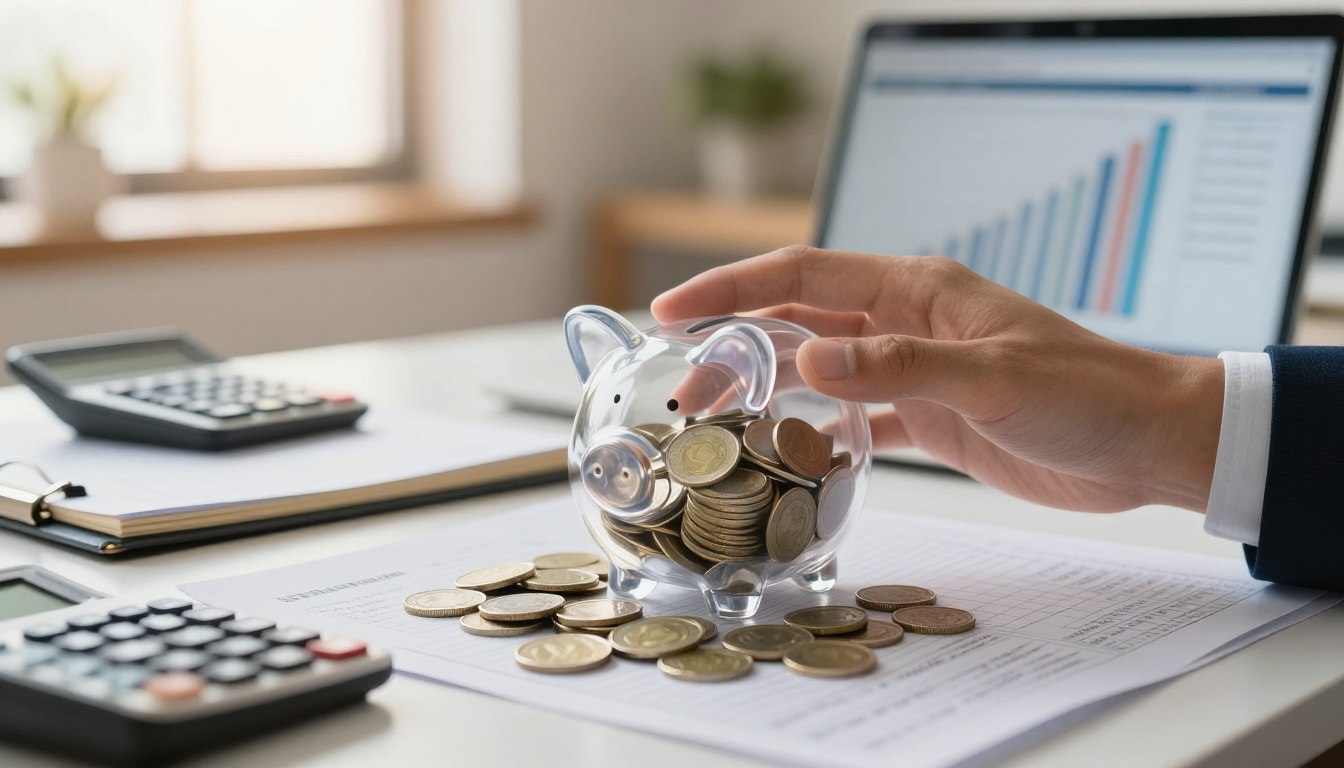
How Much Money Should Be in Your Emergency Fund?
What if a small amount of cash could give you the same peace of mind as a million dollars? Life is full of surprises, and not all of them are pleasant. An unexpected car repair, a sudden medical bill, or a job loss can shake your financial world.
Research reveals something amazing. Having just $2,000 set aside for tough times can be as powerful for your well-being as having vast wealth. This dedicated pool of cash is your financial safety net.
Building this security isn’t about expecting the worst. It’s about smart preparation. It allows you to handle life’s curveballs without falling into debt or stressing over bills.
This guide will walk you through the steps. You’ll learn how to calculate your needs and create a simple plan to grow your savings. Everyone can achieve this crucial goal.
Key Takeaways
- A small emergency savings can provide immense financial security and peace of mind.
- Unexpected events, like car repairs or medical bills, are common reasons to use this fund.
- Starting with a modest goal is a powerful and achievable first step.
- This cash reserve acts as a safety net to prevent debt during difficult times.
- Preparing for emergencies is a proactive step toward confidence and stability.
- This guide will help you determine a personalized savings target and a plan to reach it.
Understanding the Importance of an Emergency Fund
At its core, a cash reserve for emergencies is simply a designated account that separates your ‘what-if’ money from your everyday funds. This is not money for vacations or a new car. It’s a specific pool of cash for true unforeseen events.
This dedicated savings acts as your financial safety net. It provides crucial security when life doesn’t go according to plan. Whether it’s a medical situation, a sudden home repair, or an unexpected bill, this fund is your first line of defense.
What Is an Emergency Fund?
Think of it as a shield against two main types of financial shocks. Spending shocks are sudden costs, like a car breakdown or a trip to the emergency room. Income shocks happen when your paycheck stops, perhaps due to a job loss.
Having this buffer means you can handle a crisis without panic. It keeps you from making rushed decisions that could hurt your future finances.
Financial peace isn’t about the amount of money you have. It’s about having a plan for the unexpected.
Benefits of Having a Safety Net
The advantages go beyond just covering a cost. This savings reduces stress and anxiety about money. You sleep better knowing you have a plan.
Most importantly, it prevents debt. When an emergency hits, you won’t need high-interest credit cards or loans. You can manage the situation your way, with confidence and control.
How to Calculate Your Monthly Expenses

Before setting any savings targets, you’ll need to map out exactly where your money goes each month. This calculation forms the foundation for determining your cash reserve needs.
Identifying Your Fixed and Variable Costs
Start by separating your expenses into two main categories. Fixed costs remain consistent every month. These include rent or mortgage payments, car loans, and insurance premiums.
Variable expenses fluctuate based on your spending habits. Groceries, entertainment, and utility bills fall into this category. Tracking both types gives you a complete picture of your monthly financial commitments.
Using Expense Worksheets to Determine Total Spending
An expense worksheet simplifies this process. List all your monthly costs in organized categories. Review bank statements from the past 3-6 months for accurate averages.
Don’t forget occasional expenses like car maintenance or home repairs. Divide annual costs by 12 to include them in your monthly total. This comprehensive approach ensures your calculation reflects true living expenses.
The goal is realistic numbers, not perfection. Your completed worksheet reveals the exact amount needed to cover one month of essential costs.
Determining Your Emergency Savings Goals
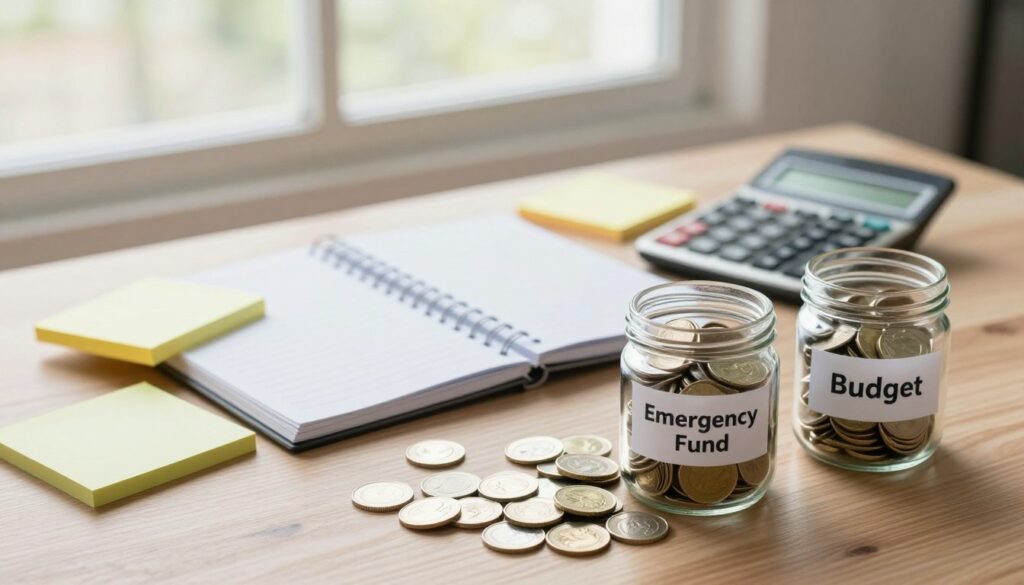
Establishing precise targets transforms your emergency fund from a vague idea into an achievable plan. Your personal savings goals depend on what type of financial challenge you’re preparing to face.
Setting Targets for Spending and Income Shocks
Different emergencies require different levels of protection. For unexpected bills like car repairs, aim to save half your monthly expenses. This creates a solid buffer against spending shocks.
Income disruptions need more substantial coverage. Financial experts recommend three to six months worth of living costs. This provides breathing room if your paycheck stops temporarily.
Adjusting Your Savings Based on Lifestyle and Income
Your ideal amount isn’t one-size-fits-all. Consider saving toward the higher end if you’re self-employed or have variable income. Job stability and family dependents also influence your target.
Retirees typically need 18-24 months of essential expenses since they lack regular paychecks. Women may want larger funds due to longer life expectancies and higher lifetime costs.
Start with a smaller, manageable goal if the full amount feels overwhelming. Even $500 makes a meaningful difference while you work toward your ultimate target.
How Much Money Should Be in Your Emergency Fund?

The location of your financial cushion matters as much as the amount you’ve saved. Choosing where to keep these resources ensures they’re available when needed most.
Choosing Accessible Account Types
Safety and quick access are your top priorities for this cash reserve. You need accounts that protect your principal while allowing immediate withdrawals.
Traditional savings accounts offer FDIC insurance and easy access. Money market accounts typically provide higher interest rates with similar protection. Modern cash management accounts can yield even better returns while keeping funds accessible.
| Account Type | Accessibility | Interest Potential | Insurance |
|---|---|---|---|
| Savings Account | High | Low | FDIC |
| Money Market | High | Medium | FDIC |
| Cash Management | High | Medium-High | FDIC/SIPC |
| Certificate of Deposit | Low | Medium | FDIC |
Balancing Liquidity with Growth Potential
Avoid locking up too much cash in low-yield accounts. Consider keeping no more than 24 months of expenses in immediate-access funds.
For longer-term protection, taxable brokerage accounts offer growth potential. Roth IRAs allow tax-free withdrawal of contributions. This balanced approach protects against inflation while maintaining necessary liquidity.
Building a Consistent Savings Plan

The gap between knowing you need savings and actually accumulating it is bridged by a solid plan. Turning intention into regular action requires smart strategies that fit your lifestyle.
Consistency is more important than large amounts when starting. Small, regular contributions create powerful momentum over time.
Budgeting Tips and Techniques
Treat your savings contribution like a essential bill. Automate transfers to happen right after payday. This “pay yourself first” approach ensures priority.
Start with whatever amount feels comfortable. Even $25 per paycheck builds steadily. Increase contributions as you adjust to the habit.
Find extra funds by reviewing discretionary spending. Consider temporary reductions in dining out or subscriptions. Windfalls like tax refunds provide excellent boost opportunities.
| Strategy | Effort Level | Potential Impact | Best For |
|---|---|---|---|
| Automated Transfers | Low | High | Busy lifestyles |
| Spending Reductions | Medium | Medium | Flexible budgets |
| Side Income | High | High | Accelerated growth |
| Windfall Allocation | Low | Variable | Periodic boosts |
Strategies for Replenishing Your Fund After Use
When you dip into your reserves, prioritize rebuilding. Temporarily increase contributions until you restore your target amount.
Track progress visually to maintain motivation. Celebrate milestones along the way. Remember that each dollar set aside buys peace of mind.
Building emergency savings takes time, but starting early maximizes compounding benefits. The journey begins with that first consistent contribution.
Conclusion
You now possess the knowledge to build a powerful financial safety net. Remember that your target amount depends on your personal situation—typically three to six months of expenses for most people.
Even starting with a small cash reserve makes a significant difference. Research shows that having just $2,000 set aside provides substantial peace of mind when emergencies occur.
Choose accessible accounts like savings or money market funds for your emergency savings. Keep these funds separate from long-term investments to ensure quick access.
Define true emergencies carefully—unexpected events like job loss or major home repairs. Replenish your emergency fund promptly after any withdrawal.
Start building your security today. Every dollar saved brings you closer to financial confidence and freedom from worry.
FAQ
What is the ideal amount for a cash reserve?
Where is the best place to keep my emergency savings?
What counts as a true financial emergency?
How can I start building my fund if I have little to save?
Should I pause retirement contributions to build my emergency savings?
What is the ideal amount for a cash reserve?
Where is the best place to keep my emergency savings?
What counts as a true financial emergency?
How can I start building my fund if I have little to save?
Should I pause retirement contributions to build my emergency savings?
FAQ
What is the ideal amount for a cash reserve?
A good target is to save enough to cover three to six months of essential living expenses. This includes costs like housing, food, and transportation. If your income is less predictable, aiming for a larger safety net, like six to nine months’ worth, can provide extra security.
Where is the best place to keep my emergency savings?
Your cash reserve should be easily accessible but separate from your checking account. A high-yield savings account or a money market account are excellent choices. They offer a bit of interest while keeping your funds liquid for when you need them quickly.
What counts as a true financial emergency?
A real emergency is an unexpected, necessary expense that impacts your security. This includes sudden medical bills, urgent car repairs, or essential home fixes. It also covers a loss of income, like a job layoff. It’s not for planned costs like vacations.
How can I start building my fund if I have little to save?
Start small! Even setting aside a small, fixed amount from each paycheck adds up. Review your budget to find areas to cut back, like dining out. Automating a monthly transfer to your savings account makes the process effortless and consistent.
Should I pause retirement contributions to build my emergency savings?
It’s generally best to balance both. If you have no safety net, focus on building a small starter fund first—perhaps
FAQ
What is the ideal amount for a cash reserve?
A good target is to save enough to cover three to six months of essential living expenses. This includes costs like housing, food, and transportation. If your income is less predictable, aiming for a larger safety net, like six to nine months’ worth, can provide extra security.
Where is the best place to keep my emergency savings?
Your cash reserve should be easily accessible but separate from your checking account. A high-yield savings account or a money market account are excellent choices. They offer a bit of interest while keeping your funds liquid for when you need them quickly.
What counts as a true financial emergency?
A real emergency is an unexpected, necessary expense that impacts your security. This includes sudden medical bills, urgent car repairs, or essential home fixes. It also covers a loss of income, like a job layoff. It’s not for planned costs like vacations.
How can I start building my fund if I have little to save?
Start small! Even setting aside a small, fixed amount from each paycheck adds up. Review your budget to find areas to cut back, like dining out. Automating a monthly transfer to your savings account makes the process effortless and consistent.
Should I pause retirement contributions to build my emergency savings?
It’s generally best to balance both. If you have no safety net, focus on building a small starter fund first—perhaps $1,000. Then, split your efforts between growing that cash reserve and continuing your retirement plan contributions for long-term security.
What should I do after I use money from my emergency fund?
Your first priority should be to replenish it. Go back to your original savings plan. Temporially adjust your budget to direct more cash toward rebuilding your account until it’s back to your target level. This ensures you’re prepared for the next unexpected situation.
,000. Then, split your efforts between growing that cash reserve and continuing your retirement plan contributions for long-term security.
What should I do after I use money from my emergency fund?
Your first priority should be to replenish it. Go back to your original savings plan. Temporially adjust your budget to direct more cash toward rebuilding your account until it’s back to your target level. This ensures you’re prepared for the next unexpected situation.
What should I do after I use money from my emergency fund?
What should I do after I use money from my emergency fund?

Adam Peter is a finance, travel, and automotive writer with over a decade of experience. He creates clear, practical content to help readers manage their money, explore the world with confidence, and make informed decisions about cars and travel gear. His work blends expert insight with real-world usefulness.