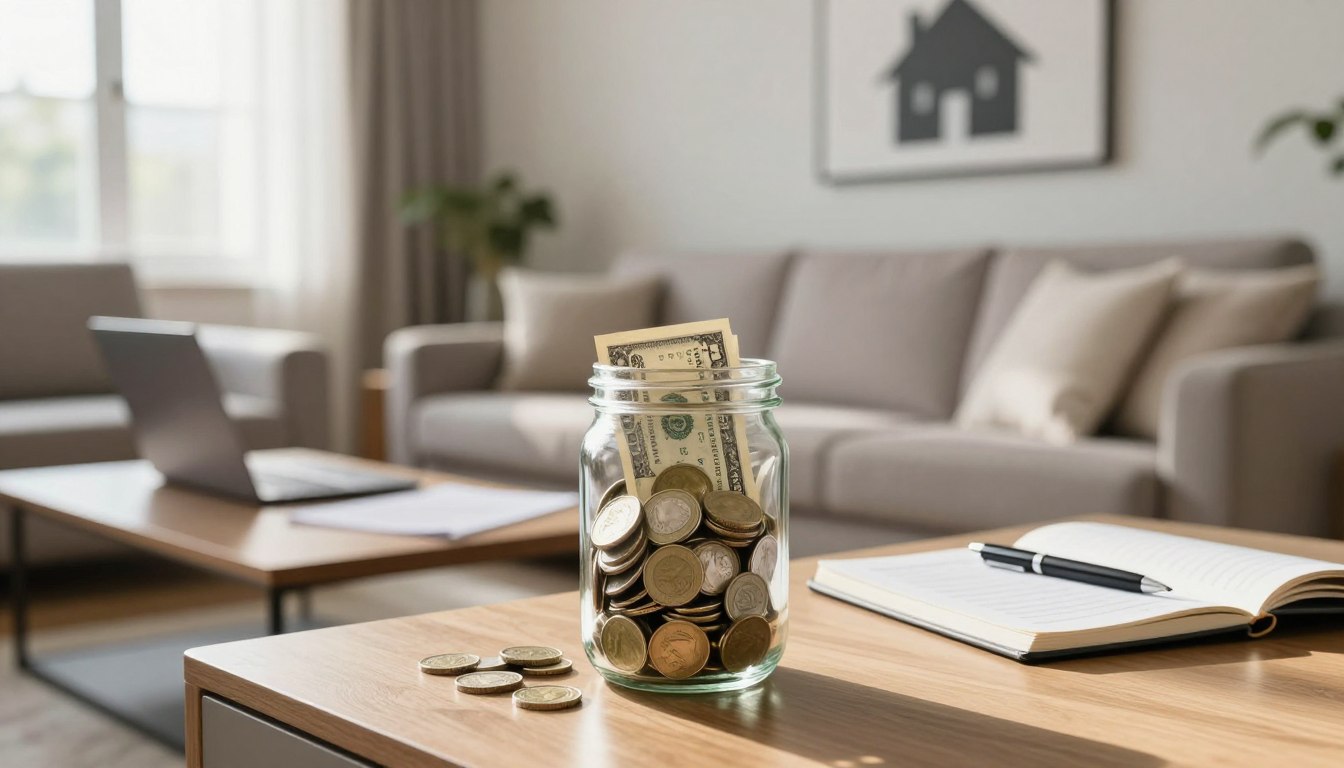
How to Save for a House Down Payment
Ever feel like owning a home is a distant dream, with that initial cash hurdle seeming impossible to clear? You’re not alone. The Federal Housing Finance Agency confirms that upfront costs are a major barrier.
This initial investment, your down payment, is the key that unlocks your mortgage and starts building your equity. While it’s a significant challenge, countless Americans achieve this goal every single year.
The journey requires dedication and smart money management. But the reward of having your own place makes every effort worthwhile. This guide is designed to help you understand affordability and implement powerful savings strategies.
We will explore assistance programs and effective budget management. Whether you’re starting from scratch or have some money set aside, you’ll find actionable steps to accelerate your progress.
With determination and the right approach, you can turn the dream of homeownership into your reality. Let’s begin this exciting journey together.
Key Takeaways
- The down payment is your initial investment when you buy a house with a mortgage.
- Upfront costs are widely recognized as a primary obstacle to owning a home.
- Successful saving requires a clear goal, dedication, and smart financial habits.
- Various strategies and assistance programs can help you reach your savings target faster.
- Starting from any financial point, homeownership is an achievable dream with a solid plan.
Introduction to Homebuying and Down Payments

The path to acquiring your own residence begins with thoughtful planning and grasping the significance of your initial investment. This upfront commitment sets the stage for your entire purchasing experience.
Setting Your Homeownership Goal
Establishing a clear objective is your foundation. Determine your preferred timeline and the type of property you want. Most people need one to five years to accumulate adequate funds.
View your target as a specific, measurable amount rather than a vague aspiration. This approach makes tracking progress simpler and keeps you motivated throughout the journey.
The Role of a Down Payment in the Buying Process
This initial payment represents your equity stake in the property. It demonstrates financial commitment to lenders. Recent data shows first-time buyers averaged 9% in 2024.
The size of your investment affects multiple mortgage aspects. It influences your loan amount, monthly payments, and interest rates. You might avoid additional insurance with a larger contribution.
Understanding this role early helps make informed decisions. While significant, it’s just one part of the process. Breaking it into manageable steps makes the goal attainable.
Understanding Home Affordability
Before you start dreaming about specific houses, you need to know your numbers. Figuring out how much house you can afford is a crucial first step. This prevents the disappointment of falling for a property outside your financial reach.
Income, Budget, and Expense Analysis
Lenders base their decisions on your current financial situation. They look closely at your gross monthly income, existing debts, and monthly expenses. A thorough analysis of your budget reveals your true purchasing power.
Remember, your future earning potential isn’t part of the calculation. Be realistic about your present circumstances. This helps you set a solid and achievable savings goal.
Utilizing the 28/36 and 30% Rules
Two common guidelines help determine a comfortable monthly payment. The 28/36 rule is a key benchmark used by many lenders.
- Spend no more than 28% of your gross monthly income on housing costs.
- Keep total debt payments, including your mortgage, below 36% of your gross income.
Another helpful guideline is the 30% rule. It suggests that spending over 30% of your take-home pay on housing can make it hard to cover other essentials.
Housing costs include your mortgage principal and interest, property taxes, homeowners insurance, and sometimes utilities. For example, with a $100,000 annual income, you might afford a home priced between $290,000 and $362,500, depending on your down payment.
Online calculators are great tools to experiment with different prices and loan amounts. They show how these variables affect your bottom line.
How to Save for a House Down Payment

The journey toward homeownership begins with understanding the various pathways to gather your initial investment. Building your fund requires a multi-faceted approach combining disciplined habits with strategic financial decisions.
Different loan programs have specific minimum requirements for your initial payment. Knowing these options helps you set a realistic target amount.
| Loan Type | Minimum Requirement | Credit Score Needed |
|---|---|---|
| Conventional Mortgage | 5% | 620+ |
| FHA Loan | 3.5% | 580+ |
| VA Loan | 0% | Varies |
| USDA Loan | 0% | 640+ |
| Jumbo Loan | 10-30% | 700+ |
While minimums exist, aiming for 20% brings significant advantages. You avoid private mortgage insurance and secure better interest rates. Starting with more equity puts you in a stronger financial position.
View this process as a marathon rather than a sprint. Most people need several years to accumulate sufficient funds. Consistency and patience are your greatest allies.
Even if 20% seems distant, starting with a smaller payment is perfectly acceptable. First-time buyers can leverage special programs designed to help them enter the market. Every dollar saved brings you closer to owning your dream home.
Effective Savings Strategies

Automation is the secret weapon that successful savers use to reach their housing dreams. Setting up systems that work automatically ensures consistent progress toward your financial goal.
Opening a Dedicated Savings or Money Market Account
Create a separate savings account specifically for your housing fund. This separation helps resist spending temptation and keeps your objective clear.
High-yield savings accounts currently offer around 5% APY, significantly boosting your money growth. Traditional accounts average just 0.01% interest.
Money market accounts provide competitive rates with FDIC insurance. Certificates of deposit offer slightly higher interest for locked-time commitments.
Automating Transfers and Establishing a Timeline
Schedule automatic transfers from checking to savings each month. This consistency builds your payment fund without daily effort.
Arrange direct deposit splits so paycheck money flows directly into savings. Round-up apps transfer spare change from purchases automatically.
Establish a clear timeline by working backward from your target date. Calculate exactly how much cash you need to save monthly to reach your goal on time.
Down Payment Assistance and Government Programs

Beyond personal savings, numerous programs provide crucial financial help for aspiring homeowners. These assistance programs bridge the gap between what you’ve saved and what you need to buy a home.
Lender Programs and Proprietary Assistance
Major lenders offer innovative solutions. Guild Mortgage’s 1% Down Payment Advantage and Rocket Mortgage’s ONE+ loan allow borrowers to put just 1% down with a 2% grant.
Chase provides up to $7,500 through their Homebuyer Grant. This assistance can reduce your interest rate or cover closing costs.
Federal, State, and Local Support Options
Government programs offer substantial support. The National Homebuyers Fund provides forgivable loans up to 5% of your home’s price.
State-level options vary significantly. New York’s HomeFirst program offers up to $100,000, while Illinois provides up to $6,000 through IHDA Access.
“Combining lender and government programs can dramatically reduce your out-of-pocket payment amount.”
| Program Type | Maximum Assistance | Eligibility Requirements |
|---|---|---|
| Lender Grants | Up to $7,500 | Income limits, location-specific |
| Federal Programs | Up to 5% of home price | First-time buyers, education course |
| State Assistance | Up to $100,000 | Varies by state, income limits |
Research local options through housing finance agencies. Many require homebuyer education, which prepares you for mortgage management.
Budgeting Techniques to Manage Expenses
Taking command of your finances starts with a powerful tool: a detailed budget. It puts you in the driver’s seat, directing your money with purpose.
“A budget gives you the power to tell your money where to go instead of wondering where it went.”
Start with a zero-based approach. List your monthly take-home income. Then, document all your expenses, including your target savings amount. The goal is for income minus expenses to equal zero, giving every dollar a job.
Creating and Sticking to a Detailed Budget
Tackling debt is a critical first step. The average American spends 11% of their income on debt payments. Eliminating that debt frees up significant cash.
For example, someone earning $4,000 a month who pays $440 toward debt could redirect over $5,000 a year toward their goal. Track your spending all month and create a fresh budget before the next one begins.
Cutting Unnecessary Spending and Adjusting Rental Costs
Creative housing changes can supercharge your efforts. Getting a roommate can save about $515 per month. Relocating to a more affordable area could save $1,000 monthly.
Keep your rent at or below 25% of your take-home pay. Simple swaps also help: cook at home, choose staycations, buy used items, and cancel unused subscriptions. View this as a temporary, powerful way to work toward your dream.
Side Hustles and Additional Income Sources
Sometimes the fastest way to reach your financial goal is to increase what you earn. While budgeting helps manage existing money, generating extra income can dramatically accelerate your progress.
These efforts don’t need to be permanent careers. They’re temporary boosts to help you reach your savings goal faster. You can stop once you’ve accumulated enough cash for your payment.
Exploring Freelance and Gig Opportunities
The gig economy offers numerous flexible options. You can work around your existing schedule with various side jobs.
| Side Hustle Type | Average Hourly Rate | Flexibility Level |
|---|---|---|
| Rideshare Driving | $15-25 | High |
| Pet Care Services | $15-30 | Medium |
| Online Tutoring | $20-60 | Medium |
| Freelance Platforms | Varies by skill | High |
| Seasonal Yard Work | $25-50 | Seasonal |
Babysitting, house cleaning, and music lessons are other popular choices. Even small amounts add up significantly over time.
Using Bonuses, Refunds, and Extra Cash Effectively
Windfalls represent powerful opportunities to boost your fund. The average tax refund was $3,138 in 2024 – a substantial addition to your nest egg.
“Treat unexpected money as fuel for your dreams, not fun for today.”
Commit to directing 100% of work bonuses, salary raises, and cash gifts toward your savings. Avoid lifestyle creep when your income increases.
Selling unused possessions through online platforms turns clutter into money. Clothing, furniture, and electronics can generate significant cash.
Every extra dollar you earn brings you closer to owning your home. Be creative and persistent in finding ways to increase your income.
Conclusion
Congratulations on completing this comprehensive guide to preparing for your property purchase. While gathering funds for your initial investment presents challenges, it’s absolutely achievable with the right strategies and discipline.
Aim for 20% of the home price to avoid private mortgage insurance. This extra fee costs 0.46-1.5% of your annual loan balance. First-time buyers can start with 5-10% down if needed.
Remember to keep your monthly payment at or below 25% of your take-home income. Your initial payment is just one part of the total costs.
Budget for closing costs (3-6% of the loan amount), property taxes, homeowners insurance, and moving expenses. Maintain an emergency fund with 3-6 months of housing costs.
Thousands of Americans successfully buy a home each year. Your journey begins with that first dollar saved. You now have the tools to join them!
FAQ
How much money do I need for a down payment?
What’s the fastest way to save for a house?
Are there programs that can help with the down payment?
Besides the down payment, what other costs should I save for?
How do I know how much house I can afford?

Adam Peter is a finance, travel, and automotive writer with over a decade of experience. He creates clear, practical content to help readers manage their money, explore the world with confidence, and make informed decisions about cars and travel gear. His work blends expert insight with real-world usefulness.