How to Save Money on Utility Bills
What if you could slash your monthly expenses without sacrificing comfort? Many homeowners feel trapped by rising utility bills, but the truth might surprise you.
The average American household spends over $1,700 each year on electricity alone. That’s a significant chunk of any family budget. These recurring costs can feel overwhelming, like an expense you simply have to accept.
Here’s the good news: you have far more control over your energy consumption than you realize. Simple changes in daily habits and strategic improvements around your home can lead to substantial savings.
This guide takes a comprehensive approach, covering everything from no-cost behavioral adjustments to smart investments that pay for themselves. You don’t need a complete home overhaul to see real results.
We’ll provide practical, actionable tips organized by area of your living space. This makes it easy to identify where to start based on your specific situation. Small shifts can add up to big savings over time.
Key Takeaways
- The average U.S. household spends over $1,700 annually on electricity
- Homeowners have significant control over their energy consumption
- Simple behavioral changes can lead to immediate savings
- Strategic home improvements offer long-term cost reduction
- Savings accumulate through consistent, small adjustments
- Different approaches work for various budgets and home types
Understanding the Factors Affecting Your Utility Bills
Understanding the breakdown of your home’s energy usage is the first step toward smarter consumption. Many homeowners are surprised to learn how their daily habits translate into monthly expenses.
Exploring Energy Use Trends in American Households
The average U.S. household consumes over 10,000 kilowatt-hours of electricity annually. This substantial energy consumption follows predictable patterns throughout the year.
Seasonal changes significantly impact your electricity usage. During extreme temperatures, HVAC systems work overtime to maintain comfort.
| Household System | Average Energy Usage | Seasonal Impact |
|---|---|---|
| Heating & Cooling | Largest portion of bill | Highest during temperature extremes |
| Water Heating | About 20% of energy costs | Relatively consistent year-round |
| Lighting | 15% of home energy | Varies with daylight hours |
Identifying Major Cost Drivers
Beyond temperature control, other appliances contribute significantly to your monthly statement. Water heating accounts for approximately one-fifth of average household energy expenses.
“The cumulative effect of multiple appliances running daily creates a substantial energy footprint that many homeowners underestimate.”
Refrigerators, washers, dryers, and electronic devices all add to your total consumption. Recognizing these primary costs drivers helps prioritize where to focus your efficiency efforts.
Conducting a Comprehensive Electricity Audit

Think of an energy audit as a health check-up for your house, diagnosing inefficiencies that drain your wallet. This process examines your entire home to pinpoint exactly where electricity is used and wasted.
It’s the essential first move for making smart, targeted improvements. You gain a clear roadmap for action.
Utilizing Utility Company Resources and Online Tools
Many local utility providers offer professional home energy assessments for free or at a minimal cost. This service is an excellent starting point.
You can also find free online audit tools. These calculators help you estimate appliance usage and costs from your computer.
DIY Tips for Spotting Inefficient Usage Areas
A simple DIY audit can reveal surprising issues. Look for drafts around windows, inefficient lighting, and appliances that draw power even when off.
Findings typically fall into two categories. This helps you prioritize based on your budget.
| Audit Finding Type | Examples | Potential Impact |
|---|---|---|
| Quick, Low-Cost Fixes | Weather-stripping, adjusting thermostat settings | Immediate reduction on your next bill |
| Long-Term Investments | Upgrading to Energy Star appliances, adding insulation | Substantial energy savings over years |
These tips provide effective ways to manage your consumption. An audit empowers you to make the most impactful changes first.
Maximizing Savings Through Lighting and Appliance Efficiency
Simple upgrades to your home’s lighting and appliances offer some of the fastest returns on energy efficiency investments. These changes deliver noticeable results on your next electricity statement.
LED Lighting vs. Traditional Bulbs
Modern LED technology revolutionizes how we light our homes. These bulbs use dramatically less energy while providing excellent illumination.
| Bulb Type | Average Lifespan | Energy Usage | Annual Savings per Household |
|---|---|---|---|
| LED Bulbs | 25,000 hours | Up to 90% less | $225 |
| Incandescent Bulbs | 1,000 hours | High consumption | $0 |
| CFL Bulbs | 8,000 hours | Moderate savings | $75 |
Switching off just five lights for ten hours daily saves about $6 monthly. This habit adds up to real money over time.
Energy Star Appliances and Smart Usage
Energy Star-certified appliances reduce energy bills by 10% to 50%. They perform the same tasks while using significantly less power.
Run dishwashers and washing machines only when full. Proper maintenance ensures these appliances operate at peak efficiency year after year.
These strategies provide immediate savings without lifestyle changes. The cumulative effect substantially lowers your annual energy costs.
Heating and Cooling: Sealing, Thermostats, and System Maintenance
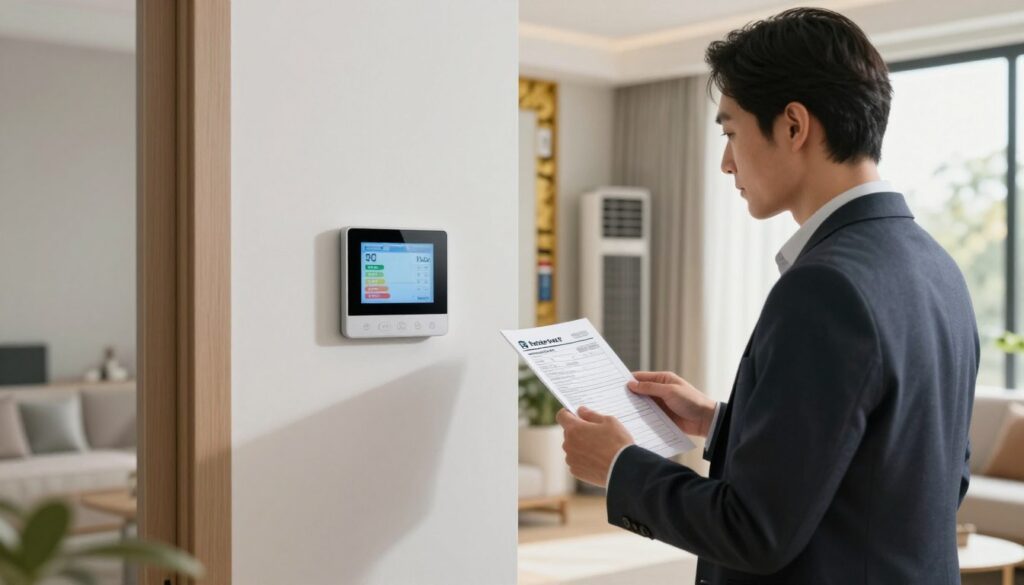
Your HVAC system represents the single largest energy expense in most American households. Smart management of this system can yield significant savings without sacrificing comfort.
Optimizing Thermostat Settings for Efficiency
Simple thermostat adjustments create immediate savings. Adjusting the temperature by 7-10 degrees for eight hours daily reduces your annual bill by 10%.
Programmable thermostats automate these adjustments. They maintain comfort while optimizing energy use throughout the day.
| Thermostat Strategy | Energy Impact | Annual Savings |
|---|---|---|
| 7-10° Adjustment | Reduces HVAC workload | Up to 10% |
| Programmable Settings | Automates efficiency | Consistent savings |
| Ceiling Fan Support | Feels 4° cooler | Reduces AC use |
Sealing Air Leaks and Improving Insulation
Air sealing prevents conditioned air from escaping. Weather stripping around doors and windows costs about $30 but saves up to 20% on energy costs.
Proper insulation maintains comfortable temperatures with less strain on your system. Well-insulated homes save 15% on heating and cooling expenses.
Regular maintenance extends system life. Replace air filters every three months for optimal performance and better indoor air quality.
Water Heating and Laundry Room Savings
Simple adjustments to water temperature and laundry habits can unlock surprising reductions in household energy consumption. These areas often represent untapped potential for lowering your monthly expenses.
Lowering Hot Water Heater Temperatures
Most water heater units come preset at 140 degrees Fahrenheit. This setting is higher than necessary for daily use. Lowering the temperature to 120 degrees provides comfortable hot water while reducing energy demands.
This simple change can trim $36-61 from your annual energy bill. Your water heater won’t work as hard to maintain piping hot water all day. Many people don’t realize they can manually adjust their heater settings.
Heating water accounts for about one-fifth of average home energy costs. This adjustment offers both financial benefits and safety improvements by reducing scalding risks.
Energy-Efficient Laundry Practices
Your laundry appliances are major electricity consumers. About 90% of a washing machine’s energy goes toward heating water. Switching to cold water washing makes a significant impact.
Cold cycles clean most clothes effectively while preserving fabric quality. Only use hot water for heavily soiled items like towels. This practice helps save money while extending clothing lifespan.
Always run full loads to maximize efficiency. Clean the lint trap after every dryer cycle for faster drying and fire prevention. These small changes add up to substantial money savings over time.
Kitchen Strategies for Cutting Energy Costs

Your kitchen serves as a command center for daily life, but it can also be a major source of energy drain. Multiple appliances run constantly, contributing significantly to your monthly electricity bill. Fortunately, a few smart habits can reduce these costs without changing your routine.
Efficient Use of Cooking Appliances
Start with your refrigerator, one of the hardest-working appliances. Keep the temperature between 35-38°F. This setting preserves food while preventing the unit from wasting electricity by overcooling. A full freezer also operates more efficiently, as frozen items act as insulation.
Your dishwasher offers another great way to save money. Skip the heat-dry cycle. Air-drying dishes uses far less energy. Simply open the door after the wash cycle and let nature do the work.
Choose smaller appliances for cooking when possible. Microwaves, toaster ovens, and slow cookers use less power than a full-sized oven. For baking, resist the urge to peek. Every time you open the oven door, heat escapes, forcing it to reheat.
These simple adjustments make a real difference in your home’s overall energy consumption. They help lower your household costs and put more money back in your pocket over time.
Whole-Home Electricity Savings Tips
Many homeowners overlook a hidden energy drain that silently increases monthly expenses. This phantom power consumption occurs when devices draw electricity even while turned off.
Standby energy accounts for 5-20% of residential electricity use. This wasted power costs the average household $100-200 each year.
Reducing Phantom Energy and Unplugging Devices
Common energy vampires include entertainment systems, computers, and small kitchen appliances. These devices continue consuming power through standby modes and internal clocks.
| Common Energy Vampires | Typical Standby Usage | Annual Cost if Left Plugged |
|---|---|---|
| Television & Cable Box | 10-25 watts | $15-40 |
| Gaming Console | 15-30 watts | $20-50 |
| Desktop Computer | 5-15 watts | $10-25 |
| Coffee Maker | 1-5 watts | $5-15 |
Unplugging devices when not in use provides immediate savings. For convenience, group electronics on power strips that you can switch off at night.
This simple habit helps your home use less electricity throughout the day. The U.S. Department of Energy estimates these changes can reduce your bill by $100-200 annually.
Using Smart Technology to Monitor Energy Use

Modern technology now offers a clear window into your home’s energy habits, turning guesswork into actionable data. Energy tracking apps and monitors provide real-time visibility into your household’s consumption patterns.
These smart tools connect to your existing smart meter or may require a small monitor installed in your electrical panel. They break down your energy use by appliance or circuit.
Implementing Energy Tracking Apps
This detailed data reveals patterns not obvious from a monthly utility bill. You can see peak consumption hours or which devices use surprising amounts of home energy.
Seeing real-time usage often changes behavior. It becomes easier to make informed decisions about running appliances.
Options fit every budget and technical comfort level. Choices range from simple free apps to comprehensive whole-home monitoring systems.
| Tool Type | Key Features | Best For |
|---|---|---|
| Basic App | Manual entry, estimates | Starting out, tight budget |
| Monitor + App | Real-time circuit data, alerts | Detailed insights, tech-savvy users |
| Smart System | Automation, scheduling, reports | Maximizing ways to save energy |
These technologies don’t just monitor; they actively help you save energy. Features like automated scheduling and efficiency alerts turn data into direct money savings.
Integrating this data into your financial planning makes reducing your utility usage a measurable goal. It’s one of the most effective tips for long-term management.
How to Save Money on Utility Bills: Actionable Steps
Beyond household adjustments, your utility company offers numerous programs that can significantly reduce your monthly expenses. These strategies work alongside your energy-efficient habits.
Avoiding Peak Hours and Requesting Discounts
Electricity costs more during peak demand hours, typically evenings. Shift laundry and dishwasher use to off-peak times for immediate savings.
Contact your local company about time-of-use rates. Many providers offer lower rates during specific hours.
| Strategy | Peak Hours Impact | Potential Monthly Savings |
|---|---|---|
| Shift laundry to morning | Avoids highest rates | $15-30 |
| Run dishwasher overnight | Uses lowest rates | $10-20 |
| Delay EV charging | Capitalizes on discounts | $20-40 |
Routine Energy Audits and Maintenance Checklists
Regular energy audits help identify new savings opportunities each year. Create a simple maintenance schedule for consistent results.
Many companies offer free assessments and assistance programs. The LIHEAP program provides bill assistance for eligible households.
These proactive approaches compound savings over time. They turn one-time efforts into lasting financial benefits.
Seasonal Adjustments to Lower Energy Costs
Your home‘s energy needs shift dramatically with the seasons, but your savings strategy can adapt just as easily. Smart, simple changes throughout the year keep your home comfortable while reducing strain on your HVAC system.
Summertime Cooling Tactics and Window Management
During the hot summer, your windows are a primary source of heat gain. Keep blinds and curtains closed, especially during the hottest part of the day. This simple act blocks solar heat.
According to the Department of Energy, drapes can reduce heat gain by 33%. Window awnings are even more effective, cooling areas by up to 77%.
Be mindful of your doors. Keeping outside doors closed prevents precious cooled air from escaping. This stops your cooling system from working overtime.
Winter Heating Solutions and Layering Up
When winter arrives, reverse your window strategy. Open blinds on sunny days to let natural warmth in. This passive solar heating reduces the time your furnace runs.
Before adjusting the thermostat, try layering up. Warm socks, sweaters, and blankets are cost-free ways to stay cozy. If you have a fireplace, using it provides warmth at a fraction of the cost.
Don’t forget your ceiling fan. In winter, run it in reverse at a low speed. This circulates warm air that rises back down into the room.
| Season | Key Action | Impact on Comfort & Cost |
|---|---|---|
| Summer | Close window coverings | Blocks heat, eases cooling load |
| Summer | Keep doors shut | Traps cool air, saves energy |
| Winter | Open blinds for sun | Provides free heating |
| Winter | Use ceiling fan (reverse) | Distributes warm air evenly |
Conclusion
Every dollar saved on energy bills represents an opportunity to redirect funds toward your financial priorities. You now possess a comprehensive set of strategies to tackle your household’s electricity consumption.
Start with one or two changes that feel manageable. Small adjustments to your thermostat settings or switching to LED lights can yield immediate results. These simple tips accumulate into substantial savings over time.
Consider beginning with a free energy audit from your local utility company. This helps identify your home’s specific inefficiencies. Focus on high-impact areas like water heater temperature and HVAC system maintenance.
Track your progress using budgeting tools. The average household spends over $1,700 per year on electricity. With consistent effort, you can significantly reduce this cost and achieve your financial goals.
Choose one action today—whether adjusting your thermostat, sealing windows, or unplugging unused appliances. Your journey to lower utility expenses starts now.
FAQ
What’s the quickest way to start saving on my electric bill?
How much can I really save per year by making these changes?
Is a home energy audit worth the cost?
What temperature should I set my water heater to for maximum efficiency?
Do smart thermostats like the Nest or Ecobee really help save money?
What are some easy ways to reduce phantom energy loads?

Adam Peter is a finance, travel, and automotive writer with over a decade of experience. He creates clear, practical content to help readers manage their money, explore the world with confidence, and make informed decisions about cars and travel gear. His work blends expert insight with real-world usefulness.