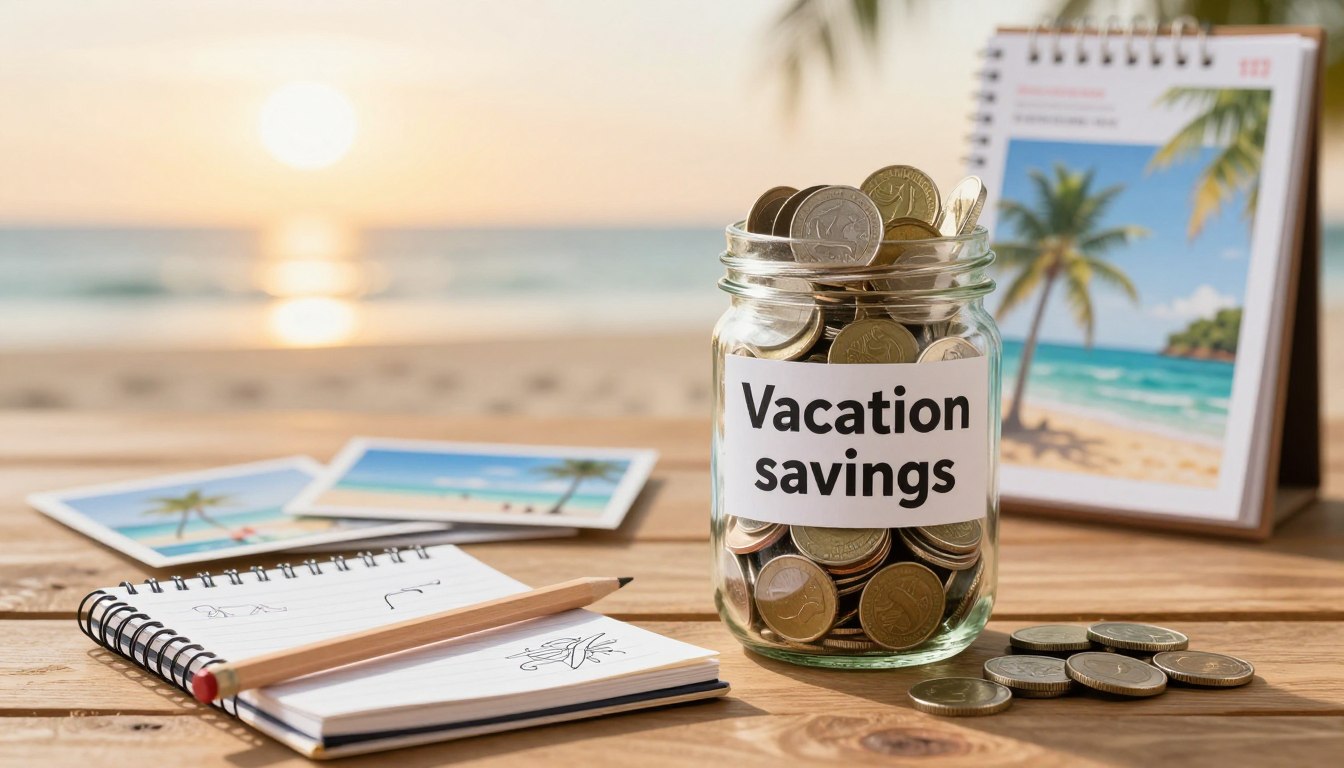
Vacation Savings Tips
What if your dream getaway wasn’t a distant fantasy, but a plan you could start building today? Many people believe that travel is only for those with overflowing bank accounts. This guide is here to challenge that idea.
Planning a trip can feel overwhelming when money is tight. But with the right approach, you can make it happen. This isn’t about drastic life changes. It’s about smart, simple strategies that add up.
We will show you how to set a realistic budget and find creative ways to cut costs. Whether you dream of a weekend escape or a long adventure, these steps will help. You’ll learn how small daily choices can fund big experiences.
The journey to your next adventure starts with a single step. Let’s take that step together and turn your travel dreams into a reality.
Key Takeaways
- Travel is achievable on various budgets with careful planning.
- Small, consistent financial changes can lead to significant savings for your trip.
- Setting a clear and realistic budget is the first step to affording your getaway.
- Creative cost-cutting strategies can make a big difference without sacrificing fun.
- This guide provides actionable steps to build a dedicated travel fund.
- Developing smart money habits now supports a lifelong passion for exploration.
Overview of Vacation Savings Tips
Many travelers face the challenge of wanting to explore but not knowing how to afford it. These practical approaches help bridge that gap between dream and reality.
What Are Vacation Savings Tips?
These are specific financial strategies designed to help people set aside funds for travel. They focus on behavioral changes and creative methods that don’t compromise daily living standards.
When you understand these approaches, you realize they’re about making conscious choices. They prioritize your passion for exploring the world without feeling like deprivation.
Why They Matter for Your Dream Trip
These strategies transform travel from an impossible luxury into an achievable goal. They work regardless of your current financial situation or income level.
For many people, the biggest barrier isn’t lack of desire but not knowing where to start. Implementing these approaches gives you a clear roadmap with specific milestones.
The right plan helps you identify areas where money disappears without adding value. By dedicating time to learning these methods, you invest in experiences that enrich your life.
Setting a Realistic Travel Budget and Goals
The foundation of any successful journey is a budget that accurately reflects real-world expenses. This step moves your dream from a vague idea to a concrete plan with clear financial targets.
Estimating Your Trip Costs
Start by researching your destination thoroughly. Explore travel blogs for real-world cost breakdowns from people who have recently visited. This gives you a clear picture of the actual costs for accommodation, food, and activities.
Your total budget must include everything. Remember flights, visas, vaccinations, and insurance. These are separate from your daily spending amount.
Costs vary dramatically by region. A month in Southeast Asia averages $800, while Northern Europe can be around $1,800. Understanding this helps you set a goal for the year or for several months of travel.
Adding a Buffer for Unexpected Expenses
Always add a 10-15% buffer to your estimated costs. Currency fluctuations or a sudden opportunity can change your financial situation. One traveler’s trip cost jumped 25% right before departure.
Insurance is non-negotiable. A medical emergency can derail your entire trip. Of course, your first budget won’t be perfect. But with good research and a safety net, you create a realistic amount to save each month.
Creating a Dedicated Vacation Savings Fund
One of the most effective ways to turn travel dreams into reality is by creating a separate financial container for your adventure funds. This approach makes your goal feel tangible and protects it from daily spending temptations.
When you establish a distinct savings account just for your getaway, you create a psychological boundary. Watching this fund grow provides visible proof that your plans are moving forward.
Automating Savings Transfers
Set up automatic transfers from your checking to your travel savings account. Choose a fixed amount that moves on payday each month.
This automation removes the mental effort of deciding whether to save. The money moves before you can spend it elsewhere. Consistency builds momentum toward your goal.
Tracking Your Monthly Contributions
Regularly check your account balance to see progress. Each month, watching the total increase provides motivation. This visible growth makes your trip feel increasingly achievable.
Consider these account options for your travel fund:
| Account Type | Interest Rate | Accessibility | Best For |
|---|---|---|---|
| High-Yield Savings | 4.00-5.00% | Easy transfers | Long-term growth |
| Traditional Savings | 0.01-0.05% | Immediate access | Short-term goals |
| Money Market | 3.50-4.50% | Limited withdrawals | Balanced approach |
The right account helps your money work harder. Even small interest earnings add to your total over time.
Cutting Unnecessary Expenses and Prioritizing Savings

The most overlooked strategy for accelerating your travel savings involves an honest audit of where your money actually goes. Many people discover they’re spending far more than they realize on subscriptions and services they barely use.
Identifying Essential vs. Non-Essential Spending
Start by creating a detailed spreadsheet of every expense over 3-6 months. Include everything from major bills to small charges like streaming services and gym memberships. This comprehensive view reveals patterns you might miss.
Categorize each item as essential or non-essential with strict honesty. Essentials include housing, utilities, basic groceries, and insurance. Non-essentials cover dining out, premium subscriptions, and impulse purchases.
Cut non-essential expenses immediately and redirect that money toward your travel fund. Even saving $100-200 monthly adds up to a significant amount over six months. This temporary prioritization teaches lasting financial awareness that supports future adventures.
The time invested in this process pays dividends. You’ll discover the fastest way to build your fund isn’t always earning more, but spending less on things that don’t bring real value to your life.
Vacation Savings Tips: Strategies to Maximize Your Funds
Smart money management involves more than just setting aside funds—it’s about making your existing spending work harder for your travel goals. The right approach can turn everyday purchases into valuable rewards that bring your dream trip closer.
Utilizing Cash vs. Credit for Best Rewards
If you’ve had trouble with credit card debt before, rewards cards might not be your best choice. But if you only use cash or debit cards, you could be missing out on significant benefits.
Research which credit card matches your spending habits. Look for maximum points per dollar in categories where you spend most. Resources like The Points Guy and NerdWallet help compare options.
This strategy only works if you pay your balance completely each month. Carrying debt with high interest rates wipes out any rewards benefits. The peace of mind from using cash may be worth more than points if credit has been problematic.
Leveraging Airline Miles and Survey Incentives
Airline miles programs offer another powerful way to reduce travel costs. You can accumulate miles through flying, shopping portals, and promotional offers.
When airlines send survey emails, check if they offer miles for completion. Taking a few minutes to respond adds to your account without spending any money. This easy way to accumulate rewards requires minimal effort.
Researching these opportunities well in advance is part of smart planning. Accumulating significant points takes time but can save hundreds on your trip around the world. These strategies help you save money while making your travel dreams achievable.
Smart Accommodation Savings for Your Trip

Where you stay can make or break your travel budget, but smart choices unlock incredible value. Accommodation typically represents one of the largest parts of your travel expenses. Creative thinking can dramatically reduce or even eliminate this cost entirely.
Exploring Alternatives to Traditional Hotels
Traditional hotel rooms aren’t your only option. Consider services like Trusted Housesitters where you stay in someone’s home for free while caring for their pets. This gives you a comfortable place in residential areas while saving hundreds.
Hostels now offer private rooms with en-suite bathrooms at a fraction of the price. University dormitories often rent rooms during breaks, frequently including dining hall access. This is a great option in expensive cities.
For families or groups, renting an entire apartment splits costs and provides kitchen facilities. You get more space and can save on meals too. This approach works well in many areas.
Booking Direct or Using Special Discounts
Always check hotel websites directly before booking through third-party sites. Many offer exclusive discounts, room upgrades, or perks like free breakfast. This simple step can save you a lot.
Book refundable rooms when the price difference isn’t significant. Monitor rates leading up to your trip. If the price drops, you can cancel and rebook or request a price adjustment.
Consider whether you truly need a luxury hotel in prime areas. A clean, comfortable place to sleep in a slightly less central location might serve your needs at half the price. This choice alone can save hundreds.
| Accommodation Type | Average Nightly Price | Best For | Special Features |
|---|---|---|---|
| Traditional Hotel | $120-$300 | Business travelers | Concierge, room service |
| Private Hostel Room | $40-$80 | Solo travelers | Social atmosphere, kitchen |
| Vacation Rental | $90-$200 | Families/groups | Full kitchen, multiple rooms |
| House Sitting | Free | Flexible travelers | Local experience, pet care |
When driving, always confirm that parking is free at your accommodation. Daily fees of $15-50 can add a lot to your total cost over multiple nights. This often-overlooked detail makes a big difference.
Finding Budget-Friendly Transportation Options
Transportation choices represent one of the biggest variables in your overall travel expenses. With some strategic thinking, you can cut these costs significantly while still reaching your dream destination.
Comparing Flights, Buses, and Trains
Always compare multiple transportation modes before booking. Direct flights might seem convenient, but sometimes taking a budget flight to a nearby city followed by a train or bus saves hundreds.
Consider the total travel time versus the price difference. A longer journey might be worth the savings if it fits your schedule. This approach can even let you explore extra cities along the way.
Taking Advantage of Flexible Travel Dates
Flexibility with your departure day is one of the most powerful money-saving tools. Mid-week flights often cost much less than weekend options. Flying on actual holidays can also yield surprisingly low prices.
Travel during shoulder seasons—the weeks just before or after peak tourist times. You’ll find better weather than off-season but much lower prices than high season. This applies to flights, trains, and bus tickets alike.
Once you reach your destination, research public transportation before defaulting to taxis. Many cities have buses or ferries that follow scenic routes similar to expensive tours. You get the same views for a fraction of the price.
Saving on Meals, Entertainment, and Daily Costs

Your daily spending on food and fun can quickly add up, but a few clever habits keep your wallet happy without missing out. It’s all about thinking like a local and being a little resourceful.
Simple changes make a big difference. Carrying a reusable water bottle saves you from buying expensive drinks all day. Packing snacks from home avoids airport markups.
Preparing Meals and Finding Local Discounts
Transforming your approach to meals is a game-changer. Make the most of your hotel’s breakfast to fuel your day. Consider making lunch your main meal when restaurants offer special menus.
Exploring local grocery stores is an adventure itself. You’ll find fresh food and snacks at much lower prices. This is a great way to experience the local culture.
Look for happy hour specials at restaurants in your destination. Adjusting your dining schedule by an hour can slash your food bill. Visiting bakeries near closing often scores half-price treats.
For evening drinks, buy local beer or wine from a store. Enjoying a pre-dinner drink in your room saves significantly compared to bar prices. It’s a relaxing way to start the night.
Don’t forget about free walking tours! They offer fantastic insights into new areas for just a small tip to the guide. It’s budget-friendly entertainment that helps you learn about the place you’re visiting.
Leveraging Social Media and Online Deals
Modern travelers have an unprecedented advantage: instant access to real-time deals and insider knowledge through digital platforms. Your smartphone can uncover discounts that make any destination more affordable.
Smart planning involves tapping into online communities where experienced travelers share their best finds. This approach saves both money and research time.
Following Travel Savings Influencers
Social media platforms like Instagram and TikTok host experts who specialize in travel deals. Following these accounts gives you immediate updates on flash sales and hidden gems.
Many travel blog writers share detailed strategies they’ve learned through experience. Their free advice can save you hundreds by avoiding common planning mistakes.
Don’t forget to check destination-specific accounts for your target city. Local influencers often share promotions that aren’t advertised to general tourists.
Using Apps for Coupons and Special Offers
Apps like Groupon and Eventbrite are treasure troves for local discounts. Set your location before traveling to browse available options.
Some businesses offer 5-10% off your bill for leaving a quick review. This takes two minutes and reduces your final price.
Public libraries in your destination city often have discount passes for visitors. They’re great places to cool off and use free WiFi too.
| Platform Type | Best For | Discount Range | Time Required |
|---|---|---|---|
| Social Media | Flash sales & local tips | 10-50% off | 5-10 minutes daily |
| Deal Apps | Restaurants & activities | 15-60% off | Browse before trip |
| Tourism Websites | Free events & special offers | Free to 30% off | One-time research |
| Local Resources | Student discounts & passes | BOGO to 25% off | Visit upon arrival |
Credit your travel budget success to online communities where people share deals with friends. This collaborative approach makes exploring new places more affordable for everyone.
Boosting Your Income for Travel Savings

Sometimes the quickest path to your travel goals isn’t just cutting back, but actively increasing what comes in. This approach can dramatically shorten your timeline.
Generating extra money creates powerful momentum. You might reach your target in half the time.
Exploring Freelance and Side Gig Opportunities
Online platforms offer fantastic ways to earn extra cash. Sites like Fiverr and Upwork connect you with clients worldwide.
Freelance work can bring in $20-30 per hour. Even two hours daily adds significant money each month.
Starting a travel blog won’t pay immediately. But it builds audience for future income streams.
Selling Unwanted Items to Supplement Savings
Your home likely contains valuable items you no longer need. Selling them provides instant cash injections.
Clothes unworn for a year can generate surprising amounts. Electronics and collectibles often sell well too.
Consider selling your car before extended travel. This eliminates storage costs while adding a lot to your fund.
| Income Method | Time Commitment | Earning Potential | Best For |
|---|---|---|---|
| Freelance Writing | 5-10 hours/week | $100-300/week | Strong writers |
| Online Tutoring | Flexible hours | $15-40/hour | Subject experts |
| Selling Items | Weekend projects | $200-1000+ | Quick cash needs |
| Virtual Assistant | 10-20 hours/week | $200-500/week | Organized planners |
This temporary effort buys you unforgettable experiences. Every extra hour worked moves you closer to adventure.
Monitoring Your Savings Progress and Setting Milestones
Breaking down large financial targets into smaller milestones makes the process feel manageable. Regular tracking transforms your dream from a distant idea into measurable progress.
This approach keeps you motivated during the entire journey. You’ll see concrete results instead of just hoping for the best.
Establishing Short-Term Financial Goals
Create specific monetary targets for each period. If you need $6,000 in six months, set $1,000 as your first month goal.
Break this into even smaller chunks. $1,000 per month becomes $250 per week. This way feels much more achievable than the full amount.
Consider booking flights before having all funds saved. This creates unavoidable accountability for your deadline.
Reviewing and Adjusting Your Plan Regularly
Check your progress every two weeks. Increase frequency to weekly during the final months.
If you fall behind, adjust immediately. Don’t wait hoping the problem will resolve itself.
Share your targets with friends for extra support. Of course, celebrate milestones with small treats to maintain motivation.
| Time Period | Review Frequency | Action if Off Track | Motivation Strategy |
|---|---|---|---|
| First 3 months | Every 2 weeks | Cut unnecessary expenses | Visual progress chart |
| Months 4-5 | Weekly | Find side income | Small rewards |
| Final month | Twice weekly | Adjust daily spending | Countdown celebration |
Conclusion
Dream destinations become reality through consistent, mindful planning and action. You now have a complete roadmap to transform your travel aspirations into achievable goals.
Remember that saving for your next trip isn’t about sacrifice. It’s about choosing enriching experiences over temporary comforts. Every small decision brings you closer to exploring the world.
Whether you’re planning a weekend escape or a global adventure, these strategies provide a solid foundation. The journey may require effort, but the reward is priceless.
At the end of your planning, when you finally embark on your vacation, you’ll appreciate every step taken. Start implementing these approaches today—your future self will thank you for the unforgettable memories.
FAQ
How can I start saving money for a trip right away?
What’s the best way to find cheap flights?
Are there good alternatives to expensive hotels?
How can I save on food costs while traveling?
Should I use cash or credit cards on my journey?
Can social media really help me find travel deals?

Eduard Kingly is a travel and lifestyle content creator with a focus on personal development and education. He combines firsthand travel experiences with research-driven insights to guide readers in discovering new places, building better habits, and pursuing meaningful learning.