
When to Use Your Emergency Fund
What if your carefully built financial safety net is actually holding you back from true financial freedom?
An emergency fund represents money set aside for significant, unexpected expenses. Life throws curveballs at everyone. These moments can include car repairs, medical costs, or home system failures.
Without this dedicated savings, unexpected events can quickly become financial nightmares. But with money already reserved, you don’t need to worry about covering sudden bills.
Understanding the right moment to access these reserves is just as crucial as building them. This knowledge prevents misuse while ensuring protection during genuine crises.
This guide offers practical insights and real-life scenarios. It provides expert guidance on making smart decisions about your financial cushion.
Key Takeaways
- An emergency fund is specifically for large, unexpected expenses that disrupt your normal budget.
- Life’s unpredictable events—like medical issues or major repairs—are primary reasons to tap into these savings.
- Knowing the appropriate time to use this fund is equally important as having one established.
- Proper use prevents financial stress during genuine crises without depleting resources unnecessarily.
- This guide will help you distinguish between true emergencies and manageable expenses.
- Having clear guidelines protects your long-term financial stability while handling immediate needs.
Introduction to Emergency Funds

Think of your financial cushion as a silent guardian, ready to step in when life takes an unexpected turn. This dedicated pool of savings is your first line of defense against financial stress.
Defining an Emergency Fund
So, what exactly is an emergency fund? It’s a specific amount of money you deliberately set aside for significant, unexpected expenses. Unlike general savings for a vacation or a new TV, this money has one job: to cover true crises.
It acts as a buffer, preventing a single event from derailing your entire budget. This separation is key to its effectiveness.
| Feature | Emergency Fund | Regular Savings Account |
|---|---|---|
| Primary Purpose | Crisis management | Planned purchases or goals |
| Accessibility | Liquid, but used only for emergencies | Easily accessible for various uses |
| Psychological Role | Financial security and peace of mind | Goal achievement and discretionary spending |
Why Financial Preparedness Matters
The need for this preparedness is startlingly real. Research shows 48% of Americans couldn’t cover basic expenses for 90 days if they lost their income. Even more concerning, a third have no savings at all.
An emergency fund provides that crucial peace of mind. It protects you from debt and prepares you for the unknown. This makes it a cornerstone of true financial wellness.
Understanding the Purpose of an Emergency Savings Account
Your emergency savings account serves as a strategic tool for maintaining control during chaotic times. This dedicated cash reserve transforms potential disasters into manageable situations.
Think of it as your financial first responder. When unexpected events occur, this safety net provides immediate relief. It prevents small issues from becoming major financial crises.
The Role of a Safety Net in Daily Life
This account protects you from desperate financial decisions. Instead of reaching for high-interest credit cards or loans, you have cash available. This maintains your financial independence during tough moments.
The purpose extends beyond just having money available. It’s about giving yourself breathing room and time to make thoughtful choices. You can handle urgent needs without panic or stress.
Both major job loss and smaller emergencies benefit from this preparation. The safety net works for frequent surprises that strain budgets. Having this information helps you navigate challenges in a smart way.
Ultimately, this account safeguards your long-term financial health. It prevents setbacks that could take years to recover from. That’s the real power of proper financial preparation.
When to Use Your Emergency Fund

Deciding to access your financial safety net requires careful thought and a clear set of guidelines. A simple three-question test helps you determine if a situation justifies a withdrawal.
Identifying Unplanned and Urgent Expenses
Ask yourself these questions before you tap emergency savings. First, is the expense completely unexpected? Second, does it demand immediate action? Finally, is it essential for your health, safety, or basic survival?
If you answer “yes” to all three, you’re likely facing a real crisis. This method separates true emergencies from things that just feel urgent.
For example, a planned dental cleaning is a necessary expense, but it’s not an emergency. A sudden, severe toothache that needs an emergency root canal, however, meets all the criteria.
Real-life Scenarios: Car Repairs, Job Loss, and Natural Disasters
Some situations clearly call for using your reserves. Common examples include:
- Car repairs from a sudden breakdown that prevents you from getting to work.
- Covering essential bills and groceries after a job loss.
- Recovery costs after natural disasters, even with insurance.
These events are unplanned, urgent, and impact your well-being. Your regular checking account should handle planned expenses like vacations. Preserve your safety net for life’s real curveballs.
Determining the Right Amount for Your Emergency Fund

Calculating the ideal amount for your rainy-day reserves involves both simple math and personal risk assessment. The perfect size varies based on individual circumstances and financial obligations.
Calculating Monthly Expenses and Core Needs
Start by totaling your essential monthly costs. Focus on necessities like housing, utilities, food, insurance, and transportation.
These core expenses form your baseline calculation. For many singles, this averages around $4,300 monthly. Families of four often need nearly $9,200.
The 3-to-6 Months Guideline Explained
Most experts recommend saving three to six months of essential expenses. Multiply your monthly total by your target number of months.
Choose three months if you have stable employment and minimal dependents. Opt for six months if you’re self-employed, a single parent, or have variable income.
If you carry consumer debt, begin with a $1,000 starter fund. This provides immediate protection while you work toward your larger savings goal.
Choosing the Best Account for Your Emergency Savings
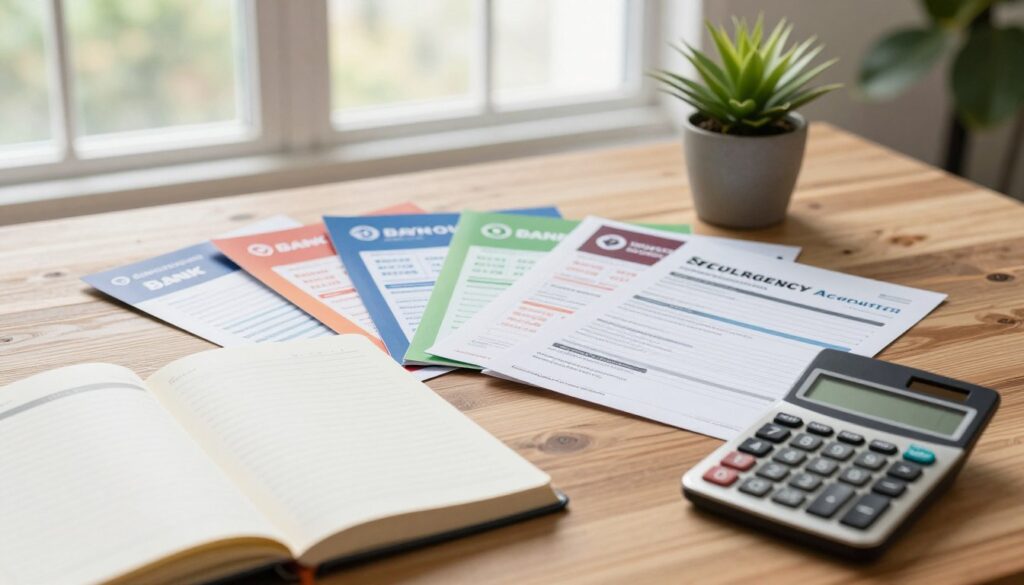
Choosing the right home for your emergency cash requires balancing quick access with protection from casual spending. Liquidity stands as the most critical feature—you need immediate availability during genuine crises.
Savings Accounts, Money Market, and High-Yield Options
Three excellent account types serve this purpose well. A standard savings account linked to your checking provides easy transfers. Money market accounts often include debit cards for direct payments.
High-yield savings accounts offer better interest rates while maintaining quick access. All options should be FDIC-insured for security. Earning some interest helps your money grow modestly.
| Account Type | Access Method | Interest Potential | Best For |
|---|---|---|---|
| Standard Savings | Bank transfers | Basic rates | Simplest setup |
| Money Market | Debit card/checks | Moderate rates | Direct payments |
| High-Yield Savings | Quick transfers | Higher rates | Maximizing growth |
Consider keeping these funds at a different institution than your daily checking. This creates helpful separation while maintaining accessibility. The strategy reduces temptation for non-essential spending.
Avoid storing cash at home or in investment accounts. Market fluctuations could reduce value when you need it most. Remember, this savings serves as insurance—not an investment vehicle.
Strategies for Building Your Emergency Fund
The journey to financial security begins with actionable strategies that transform saving from a chore into an achievable goal. Building your emergency fund requires a systematic approach anyone can master.
Budget Adjustments and Expense Reductions
Start by setting clear savings goals. Whether aiming for a $1,000 starter fund or three months of expenses, having a target keeps you focused. Create a detailed budget that includes regular contributions to your emergency savings.
Look for ways to reduce spending. Meal planning saves significant money on groceries. Identify specific expenses you can cut rather than making vague commitments. Every dollar saved moves you closer to your financial safety net.
Increasing Income and Automating Savings Contributions
Boost your income through overtime hours, side hustles, or selling unused items. Extra cash accelerates your progress toward building emergency savings. Even small amounts add up over time.
Automate your savings by setting up monthly transfers from your paycheck. This removes temptation and ensures consistent growth of your fund. Break large goals into manageable monthly chunks that feel achievable.
Remember, any amount of emergency savings beats having none. Start small and build momentum as you develop better financial habits.
Expert Tips for Financial Security and Peace of Mind
True financial security isn’t just about numbers in an account; it’s the profound peace of mind that comes from knowing you’re prepared. This confidence allows you to face life’s uncertainties without the shadow of constant financial anxiety.
Having a dedicated cash reserve transforms a potential crisis into a manageable situation. It’s the difference between panic and a calm, calculated response.
An emergency fund turns a financial crisis into an inconvenience.
Long-Term Financial Planning and Maintenance
A robust savings strategy involves more than one type of fund. Distinguish between your main safety net for major emergencies, a smaller rainy-day fund for unexpected repairs, and sinking funds for planned goals like vacations.
This separation prevents confusion and ensures each account serves its purpose. After accessing your reserves for a legitimate crisis, rebuilding that money becomes your immediate next financial priority.
Integrate this maintenance into your broader goals, such as retirement planning. A simple tip is to increase your automatic savings contribution every time you get a raise or other income boost.
Regularly reviewing your budget helps identify new savings opportunities. This ongoing practice ensures your safety net grows alongside your life, providing lasting security.
Conclusion
You now possess a clear framework for distinguishing between a true crisis and a manageable expense. This information empowers you to make smart choices with your money.
Remember the simple test for any unplanned expenses: Is it unexpected, urgent, and necessary? This guide helps you protect your savings for genuine emergencies like job loss or major repairs.
Your dedicated account provides real security. It turns potential disasters into solvable problems. You have the knowledge to build and manage these funds effectively.
The peace of mind that comes from this preparation is invaluable. Start taking steps today toward greater financial confidence. You are ready to face whatever life brings.
FAQ
What exactly is an emergency fund?
How do I know if an expense is a true emergency?
How much money should I keep in my emergency savings account?
Where is the best place to keep my emergency cash?
What’s the best way to start building an emergency fund?
What happens after I use money from my emergency fund?

Sharon Molly is a content creator in lifestyle, fashion, and travel, delivering style-savvy advice and destination insights to inspire confident living. With a background in digital media, she combines aesthetics with practical guidance for modern women on the go.