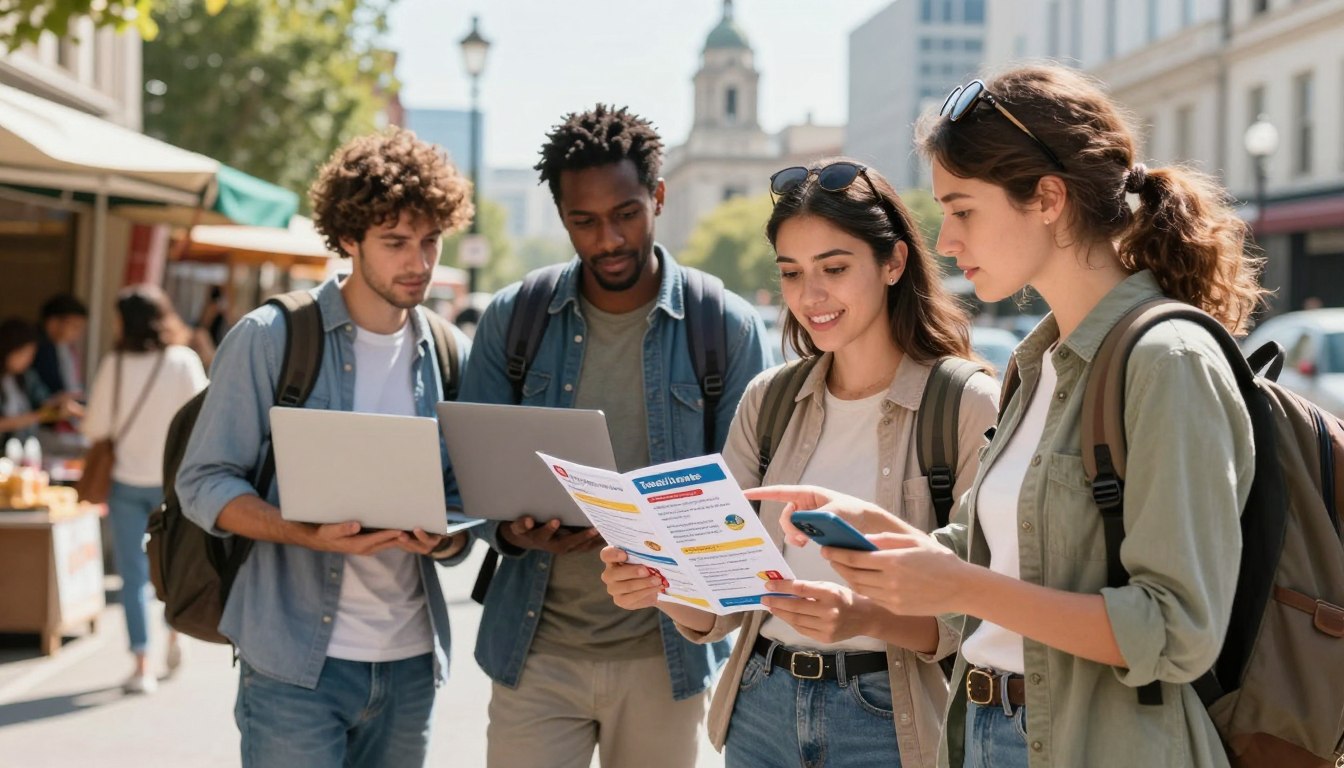
How to Avoid Scams While Traveling
“Vigilance is the price of liberty,” noted the abolitionist Wendell Phillips. When you’re on the road, that vigilance is the price of your peace of mind and security.
Exploring the world is one of life’s great joys. It opens doors to new cultures, foods, and friendships. Yet, being in an unfamiliar place can make you a potential target for those looking to take advantage.
This guide is your comprehensive resource. It’s designed to equip you with the knowledge to spot and sidestep common scams. Your money, personal information, and overall safety are the priorities.
Understanding the landscape of risks empowers you. You can navigate your trip with confidence instead of constant concern. Informed travelers are prepared travelers.
We will walk you through a full spectrum of modern schemes, from street-level tricks to digital deceptions. You’ll learn practical, real-world strategies to stay ahead. Our mission is to transform you from a tourist into a savvy, street-smart explorer.
Key Takeaways
- This guide provides essential knowledge for protecting yourself and your valuables in new environments.
- Learning to identify common dishonest schemes is your most powerful tool for prevention.
- Safeguarding your personal and financial information is critical throughout your journey.
- Practical awareness significantly reduces stress, letting you focus on enjoyment.
- You’ll gain insights into threats ranging from simple overcharges to elaborate online fraud.
- Applying these strategies builds confidence and transforms your approach to exploring the world.
Understanding the Landscape of Travel Scams

Con artists view tourists not as people, but as opportunities. This unfortunate truth applies whether you’re in a U.S. city or a foreign country. The core objective of any deceptive scheme is simple: to take your money.
To protect yourself, you must first understand why you’re in the crosshairs.
Why Travelers Are Targeted
On a trip, you’re naturally more relaxed and trusting. You’re also likely distracted by new sights and carrying more cash. This combination makes you a perfect mark.
Skilled fraudsters study tourist behavior. They know when and where travelers are most vulnerable. They exploit your desire to be helpful or your excitement about a “great deal.”
The Financial and Emotional Impact
The cost of a scam can vary wildly. You might lose a few dollars to an inflated taxi fare. Or, a complex scheme could drain your entire vacation budget.
Beyond the money, the emotional toll is heavy. Feeling violated or embarrassed can cast a shadow over your whole trip. This anxiety can make you suspicious of every new situation.
Knowing about these common scams and their impact is your first layer of defense. It helps you guard your personal information and your peace of mind.
Recognizing Common Scams Abroad
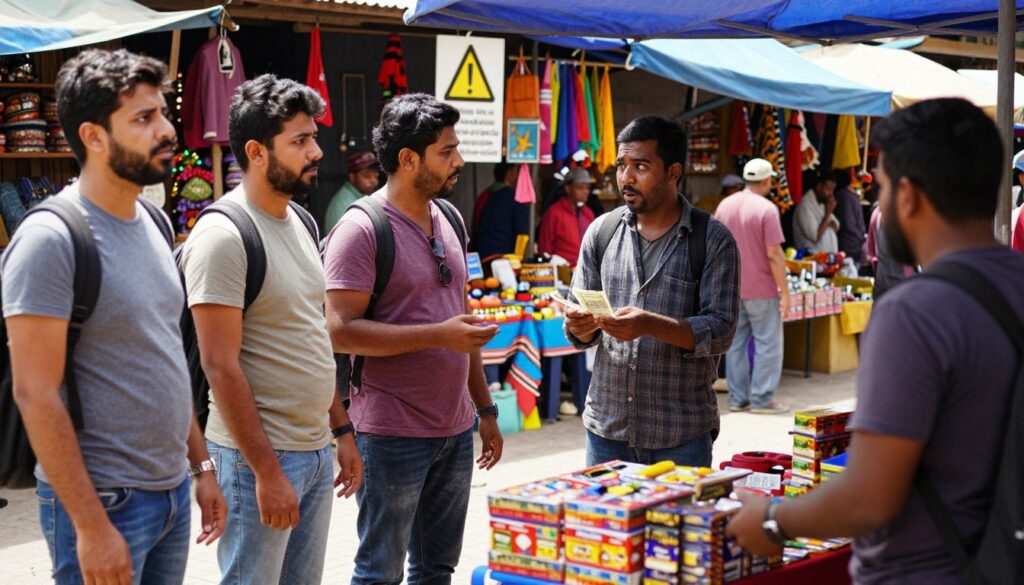
From emotional cons to street games, fraudsters have perfected many ways to part tourists from their cash. These common scams often rely on creating a sense of urgency, trust, or distraction.
Knowing what to look for is the best way to protect yourself and your belongings.
Romance, Lottery, and Family Scams
Emotional manipulation is a powerful tool for scammers. In a romance scam, a person you’ve never met may profess love quickly, then ask for money to cover fake hospital bills or legal fees.
Similarly, a “grandparent” scam involves an urgent plea for funds from a supposed relative. Lottery cons promise a huge prize but demand you pay fees first. Remember, if you didn’t buy a ticket, you didn’t win.
Scams at Tourist Spots and Restaurants
Popular attractions are hunting grounds for scammers. The wallet drop involves found cash used to accuse you of theft. A friendly “student” might invite you for tea, then present a shocking bill.
Others may pressure you to buy overpriced art after a free tour. Never agree to watch a stranger’s bag. Street games like three-shell Monte are rigged, and a sudden distraction is often a ploy to steal your items.
Stay alert to these common scams. Tourists who appear aware are much less likely to be targeted.
Avoid Scams While Traveling
Knowing what to watch for is crucial, but knowing what to do is what keeps you safe. This section gives you clear, actionable rules to follow.
Do’s and Don’ts for Scam Prevention
The most important rule is simple: never send money to someone abroad you haven’t met in person. This is especially true for connections made online.
Guard your personal information fiercely. Do not share details over the phone or online. Be mindful of what you post on social media, as scammers often look there for targets.
If a deal seems too good to be true, it is. Scammers create fake urgency, but real businesses give you time to think. Research common scam tips for your destination before you travel.
When to Reach Out for Help
If a person claims to be a U.S. citizen in distress abroad, tell them to contact the nearest U.S. embassy. That is the proper channel for emergency help.
If they say the embassy won’t help, you should call the Department of State’s Overseas Citizens Services at 888-407-4747. They can verify if the situation is real or a scam.
Should you need to send money in a verified case, use a method that requires a photo ID to collect the cash. Also, be very cautious if anyone asks you to carry items home or to another country. This is a common drug trafficking scam. Report such requests to airline and border authorities immediately.
Practical Safety Strategies and Emergency Actions
Smart financial habits and clear emergency plans form the bedrock of a secure trip. This section gives you concrete steps to protect your money and yourself.
Securing Your Finances and Valuables
Use your credit card for purchases instead of large cash amounts. Always watch your card during a payment. Shield your PIN at ATMs.
Tell your credit card company about your trip before you leave. This stops them from blocking your card. Keep their contact numbers separate from your wallet.
Store extra cash, passport copies, and spare credit cards in your hotel room safe. Never leave belongings unattended in public. Use all hotel security features like door locks.
Travel insurance is a smart way to build a safety net. Good insurance covers theft, medical issues, and trip cancellations.
Consider extra tools for security. RFID-blocking wallets stop digital theft. Some apps let you lock your credit card with your phone.
| Security Method | Best For | Key Benefit |
|---|---|---|
| Hotel Safe | Passports, Extra Cash | Keeps valuables locked away |
| RFID-Blocking Wallet | Daily Credit Card Use | Prevents digital skimming |
| Money Belt | Carrying Essentials Out | Hides items under clothing |
| Travel Insurance App | Managing Your Policy | Quick access to emergency info |
In Case of an Emergency: Who to Call
If an emergency happens abroad, your first call should be to the local authorities. Dial the local version of 911 if it’s appropriate for the situation.
For global support, you can contact International SOS. Call them at +1-617-998-0000. You can also use their Assistance App.
They offer 24/7 help with medical advice and security issues. This service is a vital backup to local services.
Spotting Niche and Modern Scam Techniques
Modern fraudsters have moved beyond street corners. They use technology and psychology to create more convincing traps.
Technology-Driven and Social Media Scams
Fake websites can look just like real booking sites or government service pages. They trick people into entering card details for a service that doesn’t exist.
On social media, scammers build fake profiles. They form friendships over time before asking for money for a fake crisis.
Transportation, IDP, and Bag-Watching Scams
Taxi drivers might take a long route or claim a broken meter. Always agree on a price before you go.
For an International Driving Permit, only use AAA or AATA. Scammers often sell fake ones online. This invalid document can cause legal trouble in your destination country.
In your hotel, a call from “front desk” asking to verify your card is a scam. Never share info over the phone.
If a stranger asks you to watch their bag at a tourist site, politely say no. The bag may hold illegal items.
Shell Games and Other On-the-Ground Tricks
Street games like three-card monte are always rigged. Accomplices in the crowd pretend to win to lure tourists into betting.
The scammers control the game completely. You will lose your money every time.
| Scam Type | How It Works | Smart Tip |
|---|---|---|
| Fake Booking Website | Mimics a real company to steal card info. | Check the URL and read reviews on multiple sites. |
| Inflated Taxi Fare | Drivers refuse to use the meter or take a long route. | Use a ride-share app or set the price upfront. |
| Fake IDP Website | Unauthorized company sells worthless permits for a high fee. | Apply only through AAA or AATA’s official website. |
| Rigged Street Game | A fast-paced card or shell game with “winning” accomplices. | Never place a bet. It’s designed for theft, not chance. |
Good tips include researching any company and verifying official channels. This protects you from financial scams in any destination.
Conclusion
Your journey should be defined by the memories you create, not the worries you carry. By educating yourself with the right information, you’ve taken the most important step toward security. Good preparation includes researching your destination and using legitimate websites for bookings and services.
Set up travel notifications on your credit cards and consider comprehensive travel insurance. Store copies of documents in multiple secure locations. Use trusted apps but remain cautious with personal information.
Most people you meet are honest. Trust your instincts if a situation feels wrong. Protecting your security means traveling smart, not being paranoid.
With these steps, you can handle any emergency confidently. Focus on creating incredible memories to treasure long after you return home.
FAQ
Why are tourists often targeted by scammers?
What are some common tourist scams involving romance or lotteries?
What are the best daily habits to prevent falling for a con?
What should I do immediately if I think I’ve been scammed?
How are scammers using technology and social media now?
What’s the safest way to protect my passport and money?

Adam Peter is a finance, travel, and automotive writer with over a decade of experience. He creates clear, practical content to help readers manage their money, explore the world with confidence, and make informed decisions about cars and travel gear. His work blends expert insight with real-world usefulness.