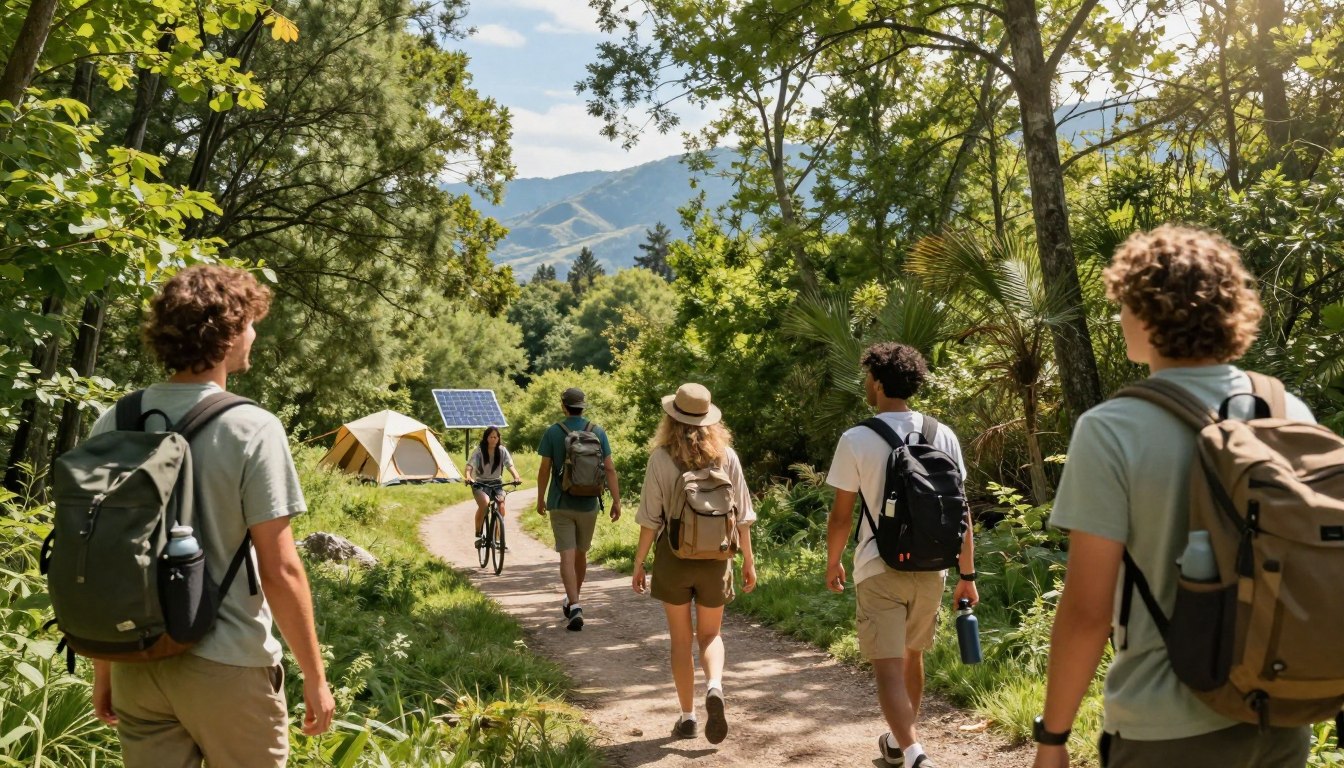
Eco-Friendly Travel Tips for Beginners
“Take only memories, leave only footprints.” This famous thought, often attributed to Chief Seattle, captures the heart of a mindful journey. It’s about enjoying the world without harming it.
Starting your path as a responsible traveler can seem daunting. You might worry it’s too hard or expensive. The good news is, it’s about progress, not perfection.
A recent survey shows a meaningful shift. 76% of people now want their trips to have a lighter footprint. This isn’t a passing trend. It’s a new way of exploring that values our planet.
This guide is here to help. We’ll break down simple, effective ways to make a difference. You’ll learn how to reduce your carbon emissions and conserve vital resources like water.
You’ll also discover how supporting local economies leads to richer, more authentic experiences. Choosing where to stay becomes part of the adventure.
Every small choice you make adds up. You have the power to protect beautiful places and support the people who call them home. Let’s begin this rewarding journey together.
Key Takeaways
- Starting a sustainable journey is about making gradual, thoughtful improvements, not achieving instant perfection.
- A large majority of modern explorers are actively seeking ways to reduce their environmental impact.
- Common concerns about cost and complexity are often myths; mindful travel can be accessible and comfortable.
- The core idea is to make choices that benefit the environment, local communities, and cultural preservation.
- This guide will provide practical strategies for lowering your carbon footprint, conserving resources, and choosing better accommodations.
- Adopting these practices often leads to deeper, more authentic, and memorable trip experiences.
- Every positive action counts, and the process of learning is just as important as the destination.
Introduction to Eco-Friendly Travel
In 2024, over 1.4 billion people crossed borders as tourists. That number more than doubled in just twenty years.
This boom creates jobs and shares cultures. Yet, it often strains the very places we love to visit.
Why Sustainable Travel Matters
Popular spots now face crowded streets, pollution, and habitat loss. Local residents can be priced out of their own neighborhoods.
If trends continue, these beloved places could be damaged for future generations. Our choices today determine what remains tomorrow.
The Changing Landscape of Tourism
Destinations are fighting back. Hawaii banned sunscreens that harm coral reefs. Dubrovnik limits daily cruise ships.
Palau protects 80% of its ocean waters. Barcelona cracks down on illegal vacation rentals.
Tourism is at a crossroads. It must balance growth with care for the environment and communities. Your personal decisions are a powerful part of this vital shift.
What is Sustainable Tourism?

Many people think “green” travel is just about the environment. True sustainability is a much broader and more impactful concept.
Balancing Economic, Environmental, and Social Impacts
Sustainable tourism aims for a careful balance. It supports economic growth, human well-being, and environmental health all at once.
This approach looks at both today’s effects and consequences for future generations. The goal is to reduce harm while boosting positive benefits for local communities, cultures, and ecosystems.
Differentiating Ecotourism and Regenerative Travel
You might hear related terms. Ecotourism is a specific part of this movement. It focuses on responsible journeys to natural areas.
Regenerative travel takes the idea a step further. It aims to leave a destination better than it was found. This means actively helping to repair past damage.
Other ideas, like community-based or ethical travel, are important pieces of the larger sustainability puzzle.
Eco-Friendly Travel Tips for Beginners
Moving from theory to practice can transform your journey into a positive force. You now know what mindful exploration means. Actually doing it on a real trip might feel tricky.
That’s completely normal. Specific, actionable guidance makes all the difference.
We’ve compiled a comprehensive list of practical travel tips from leading experts. This advice covers transportation, where you stay, daily habits, and how you spend.
Don’t feel you must do everything at once. Adopting even a few of these strategies is a fantastic start. You can add more over time.
Bookmark this page for your next adventure. These pointers offer a simple framework for better choices. They often lead to deeper connections with places.
Many of these sustainable practices can save you money, too. It’s about smarter, more rewarding adventures.
Exploring Off the Beaten Path
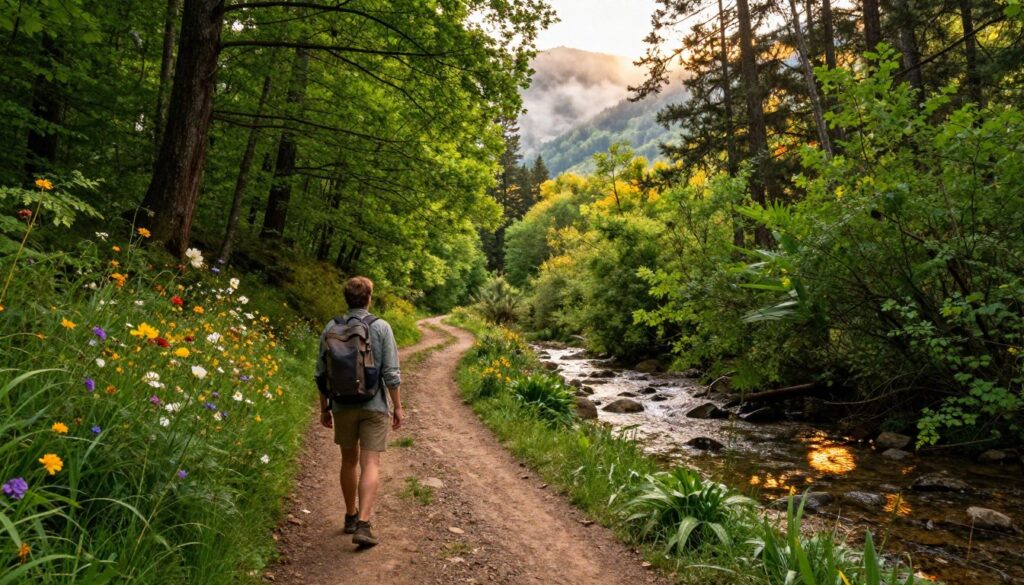
The allure of famous landmarks is undeniable, but their popularity often comes at a steep cost. Prior to the pandemic, many destinations were literally being loved to death. This “overtourism” creates overcrowding and environmental strain.
Choosing a less-traveled route offers a more unique and authentic experience. It also helps spread visitor benefits to communities that need them more.
Discovering Hidden Local Gems
Skip the typical bucket-list spots everyone photographs. Instead, invest a little extra research time. Look beyond “Top 10” lists and explore Google Maps for interesting areas.
Ask locals for their recommendations when you arrive. Consider visiting smaller cities or rural regions on your trip. You’ll avoid long lines and have more personal interactions.
This approach lets you discover places that truly match or exceed expectations. If you still wish to see a famous destination, plan your visit during the off-season. Crowds are smaller, and the experience is often more enjoyable.
For cruise travel, opt for small ship lines that visit smaller ports. The reality is that many heavily-touristed hotspots don’t live up to their online images. Exploring lesser-known places spreads tourism benefits more equitably and reduces pressure on over-stressed popular destinations.
Sustainable Transportation Options
Transportation decisions represent one of the most powerful levers you have to lower your trip’s carbon footprint. The tourism sector creates about 8% of global carbon emissions. How you move is a huge part of that.
Planes and personal cars are often the least efficient options. Making smarter choices can dramatically cut your impact.
Choosing Trains, Buses, and Electric Vehicles
For regional journeys, trains and coaches are fantastic. They slash carbon emissions and let you enjoy the scenery.
Once you arrive, use local buses, trams, or bikes. Walking is the best way to connect with a place. You avoid traffic and discover hidden spots.
If you need a car, choose an electric or hybrid model. A smaller, fuel-efficient car is a good option too.
This table shows how different modes compare for a typical passenger. Public and shared transit usually wins.
| Transport Mode | Typical CO2 per Passenger Mile | Relative Efficiency | Best For |
|---|---|---|---|
| Plane (Long Haul) | ~0.17 kg | Low | Long distances |
| Car (Solo Driver) | ~0.41 kg | Low | Flexibility |
| Train (Electric) | ~0.04 kg | High | Regional & scenic |
| Bus (Coach) | ~0.07 kg | Medium-High | Budget & local |
Reducing Air Travel Footprint
Flying is sometimes unavoidable. When you must fly, pick a nonstop flight.
Planes burn the most fuel during takeoff and landing. A direct route creates fewer emissions than multiple segments.
These choices are a powerful way to reduce carbon output. They often save money and reduce stress. You see more of the world from the ground.
Conserve Water & Energy On Your Trip
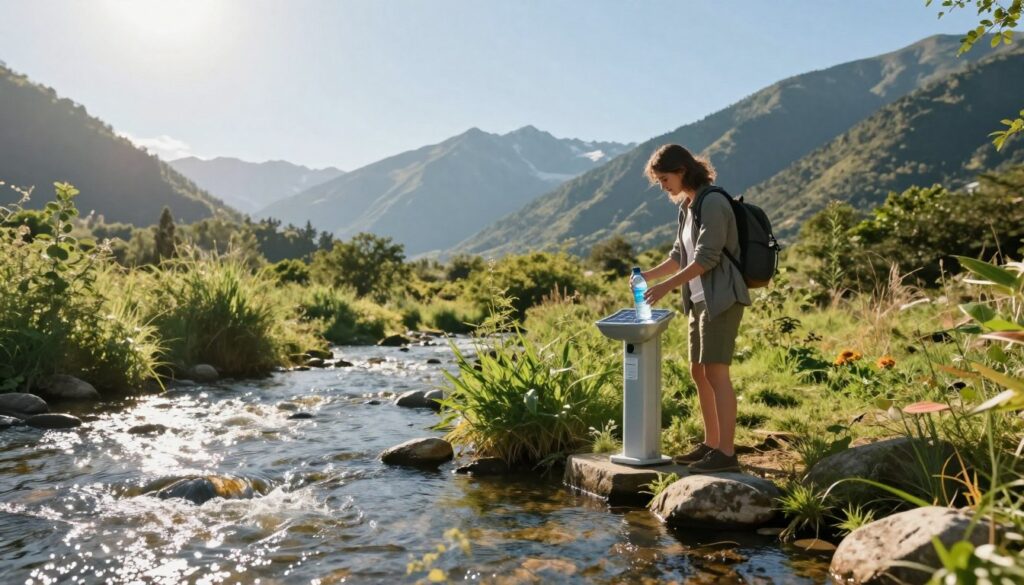
Simple changes in your room routine can save thousands of gallons of water. Hotels and resorts are huge consumers of local resources.
This puts a real strain on community supplies and energy grids. Visitors often use far more water and power than residents do.
The average American uses about 70 gallons of water every single day. That adds up fast in popular tourist spots.
Many places struggle to meet this high demand. Your mindful choices help protect these vital systems.
Small actions make a big difference over time. This table shows the impact of common habits.
| Your Action | Water Saved Per Day | Energy Saved |
|---|---|---|
| Shorter 5-min shower | ~10 gallons | Heating energy |
| Reuse towels | ~15 gallons | Washing & drying |
| Turn off unused A/C | Minimal | Significant |
| Use “Do Not Disturb” sign | ~30 gallons | Laundry energy |
Turn off lights and electronics when you leave. Adjust the thermostat a few degrees when you’re out.
Take quick showers instead of baths. Hang up your towels to use them again, just like you do at home.
Make sure to hang the “Do Not Disturb” sign. This prevents unnecessary linen washing.
Handwash small items. Choosing lodgings with efficient technology is another smart way to help.
These steps are easy. They significantly reduce your footprint without any hassle.
Reduce Single-Use Plastics During Travel
Every minute, a garbage truck’s worth of plastic enters our oceans. This staggering statistic highlights a critical environmental challenge directly linked to our journeys.
Worldwide, about one million plastic beverage bottles are bought every single minute. Only 9% of all plastic ever gets recycled. The rest pollutes landscapes and waterways for centuries.
Embracing Reusable Water Bottles and Containers
Tourists often rely on single-use bottles. Many destinations lack the systems to manage this waste. Plastics pile up in landfills or harm wildlife.
A high-quality reusable water bottle is a powerful solution. Options with built-in filters let you drink safely from taps anywhere. This simple switch saves you money and cuts waste.
Consider bottles like LifeStraw or GRAYL. They remove bacteria and microplastics. The LARQ bottle even cleans itself.
Pack reusable containers and utensils for street food. Choose to dine in rather than get takeout. Ask for no straw and carry a shopping bag.
These easy habits make a huge difference. Protecting the environment starts with refusing that first disposable bottle.
Engaging with Local Communities

Your spending choices on a trip can either uplift or undermine the places you visit. Many local communities have faced economic hardship from recent tourism shifts. Directing your money toward local enterprises keeps value within the local economy.
Supporting Local Businesses and Artisans
Choose locally-owned guesthouses over international chains. This ensures profits stay in the destination. Dine at family-run restaurants serving traditional dishes. You’ll savor authentic culture and support regional producers. This often lets you save money while enjoying richer flavors.
Explore vibrant markets. Purchase spices from farmers or jewelry from craftspeople. While haggling is customary, be fair. Small amounts mean more to vendors than to you.
Book excursions with local guides. They share intimate knowledge of the area. Consider workshops taught by community experts for meaningful exchange.
If booking packaged tours, select operators that prioritize local suppliers. Avoid giving cash to beggars; it can fuel exploitation. Instead, donate to reputable charities that offer micro-loans or skills training.
Patronize businesses owned by marginalized groups. This helps create more equitable opportunities. Your support fosters a virtuous cycle for local communities, preserving traditions and protecting the destination‘s heritage.
Choosing Sustainable Accommodations and Tour Operators
Your choice of where to stay and who to tour with is a direct vote for the kind of tourism you want to see in the world. It pushes the entire industry toward better practices.
Beware of “greenwashing.” Many companies use sustainability as a marketing buzzword without real action. You must look beyond the labels.
Ask specific questions. What are their energy and water plans? Have they banned single-use plastics? Do they hire and promote local managers?
Always check a company’s website for a dedicated environment or responsibility section. Legitimate businesses proudly share their concrete steps.
Trustworthy eco-certifications can help you verify claims. This table outlines major programs to look for.
| Certification | Primary Focus | What It Means for You |
|---|---|---|
| Green Key | Operational efficiency | Rigorous standards for water, waste, and community |
| LEED (Building) | Construction & design | Energy-efficient buildings with lower resource use |
| EarthCheck | Destination management | Science-based benchmarking for continuous improvement |
Use specialized search engines like Book Different or Kind Traveler to find vetted options. For tours, operators like Intrepid Travel and And Beyond set a high bar.
Make sure to share your values. Tell businesses you chose them for their practices. Write reviews that highlight their genuine efforts.
This powerful option leads to richer experiences. You connect more deeply with the local culture and destination.
Offsetting Your Carbon Footprint and Green Practices
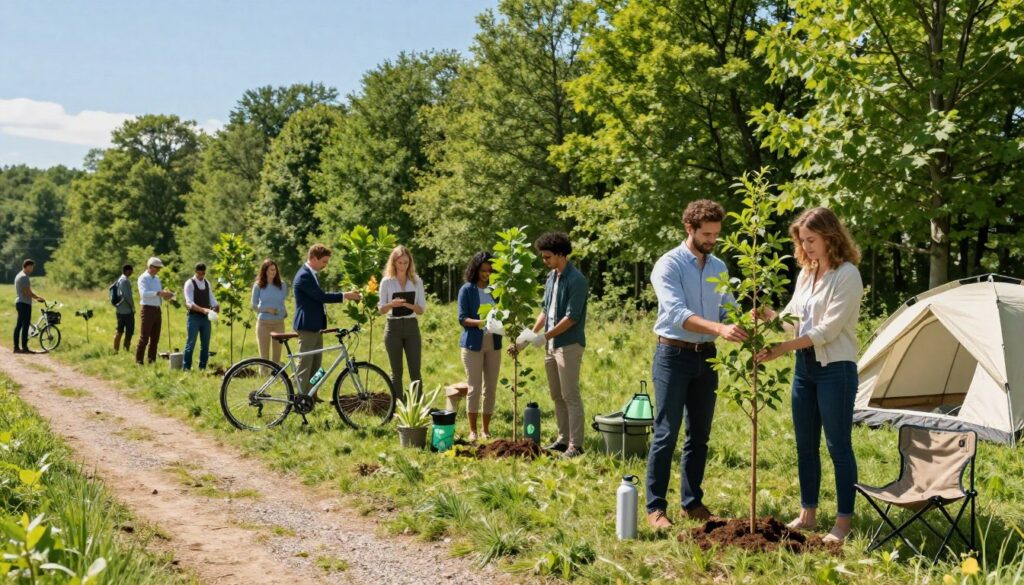
Even with careful planning, some greenhouse gas emissions from your journey are inevitable. This is especially true for long flights. Carbon offsetting provides a practical way to balance your impact.
You can compensate for these unavoidable emissions. The process funds projects that reduce an equal amount of carbon dioxide elsewhere.
Understanding Carbon Offsetting
First, calculate your trip’s carbon footprint using an online tool. Then, purchase offsets matching that CO2 amount. Your money supports verified environmental work.
Quality projects do more than cut emissions. They protect forests, build renewable energy, and convert waste. These initiatives also create jobs and help wildlife.
| Project Type | Primary Action | Additional Benefits |
|---|---|---|
| Rainforest Protection | Prevents deforestation | Conserves species, supports indigenous communities |
| Wind Farm Development | Generates clean energy | Creates local jobs, improves air quality |
| Agricultural Waste Conversion | Turns manure into energy | Reduces pollution, improves sanitation |
Use trusted platforms like FlyGreen or Fly-Eco for free flight offsets. Conservation.org offers a great calculator and offset options.
Always choose a reputable provider. This ensures your purchase creates real change. Offsetting complements your efforts to reduce carbon emissions directly.
Understanding your footprint helps you make smarter choices. It’s a responsible step toward a lighter environmental impact.
Embracing Slow Travel for a Deeper Experience
Slow travel champions depth over breadth, inviting you to form a genuine connection with a single destination. It’s the opposite of trying to cram many things into a short time. This mindful way of exploring values experience over checklist completion.
Taking Time to Connect with Destinations
A packed itinerary often backfires. You spend your trip rushing from place to place. This “hit and run” style leaves you stressed and disconnected from the local culture.
Instead, consider taking fewer but longer trips each year. Choose one destination and stay there for an extended time. This reduces the need for constant transportation between spots.
Slowing down allows you to immerse yourself. You can observe daily life and build real connections with people. Discover hidden neighborhood gems that most tourists miss.
Try a cooking class to learn traditional dishes. Spend a day walking or cycling without a strict schedule. Meander through a museum, absorbing the stories.
This way of travel creates more authentic and memorable experiences. It also benefits the destination. You support local businesses for a longer time.
Your carbon footprint shrinks by minimizing flights or drives between trips. It’s a sustainable way to see the world. You’ll return home with richer stories, not just photos of things.
Shift your mindset from quantity to quality. A single, unhurried trip can be more rewarding than several rushed ones. Give yourself the time to truly appreciate the things that matter.
Conclusion
Remember, the goal isn’t to be a perfect traveler overnight. It’s to make better choices one trip at a time. You’ve taken a big step by learning about sustainable travel.
Each choice you make helps. Picking a train, refusing a plastic bottle, or booking a local tour reduces your carbon emissions and overall footprint. These actions often lead to richer experiences.
Your decisions add up. As more people ask for better options, the whole industry changes. Use this list when you plan your next adventure. Make sure to share these ideas with friends.
Together, we can explore while protecting the beautiful places, animals, and life that make our world worth seeing. That is the true power of sustainable travel.
FAQ
What exactly is sustainable tourism?
How can I cut down on plastic during my journeys?
Is flying always bad for my carbon footprint?
How does staying in one place longer help?
What should I look for in a green hotel?
Can my trip really support local people?

Eduard Kingly is a travel and lifestyle content creator with a focus on personal development and education. He combines firsthand travel experiences with research-driven insights to guide readers in discovering new places, building better habits, and pursuing meaningful learning.