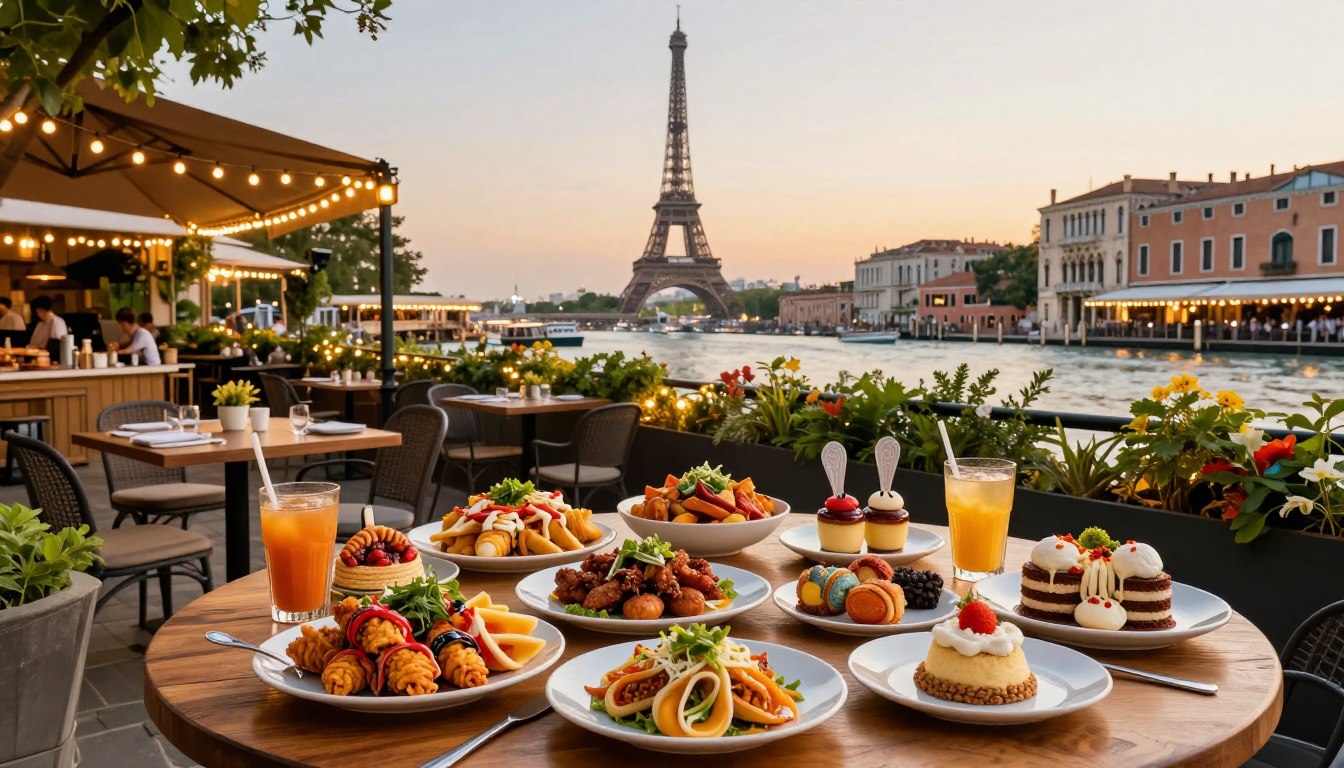
Foodie Travel Destinations You Can’t Miss
“People who love to eat are always the best people.” – Julia Child. This famous sentiment captures a simple truth. For many, a journey is defined by its flavors.
More than ever, people are planning their getaways around extraordinary culinary experiences. The quest for an amazing meal can be the main reason to visit a new place.
Exploring local cuisine offers a direct path to understanding a region’s heart. It connects you to its history, culture, and people in a way guidebooks cannot.
This guide explores a world of remarkable spots for anyone passionate about food. We will look at iconic American hubs, international street food scenes, and celebrated fine-dining capitals.
Start viewing your next vacation through the lens of unforgettable meals. A universe of unique food adventures awaits your discovery.
Key Takeaways
- Culinary experiences are now a primary motivator for choosing where to go.
- Eating local food is one of the most authentic ways to connect with a culture.
- This guide covers a diverse range of global destinations for food lovers.
- From street food to fine dining, every meal can be an adventure.
- Planning a trip around food can create lasting and meaningful memories.
- Food offers a unique lens to explore history and community.
Introduction: Embarking on a Foodie Adventure
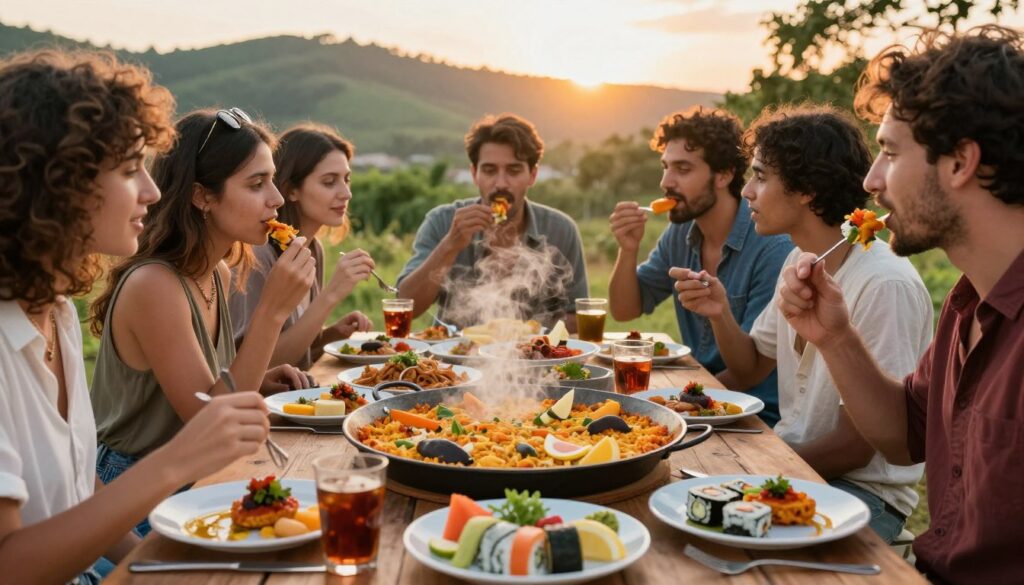
Modern journeys are increasingly defined by food, transforming meals into memorable milestones. This trend around culinary exploration shows no signs of slowing.
Discovering local food offers a direct window into a destination‘s history and culture. The ingredients and recipes tell stories of tradition in a vivid way that goes beyond sightseeing.
Movements like farm-to-table, along with celebrity chefs and social media, have elevated these food experiences. They are now a central part of modern travel life.
Every meal, from a humble street snack to a lavish tasting menu, holds potential for discovery. This guide celebrates that adventurous spirit.
We will explore a wide range of places known for their remarkable culinary scenes. These spots cater to all tastes, traditions, and budgets.
Remember, this journey is about more than eating. It’s about connecting with people, understanding ingredients, and creating lasting memories through shared meals.
Exploring America’s Foodie Hotspots
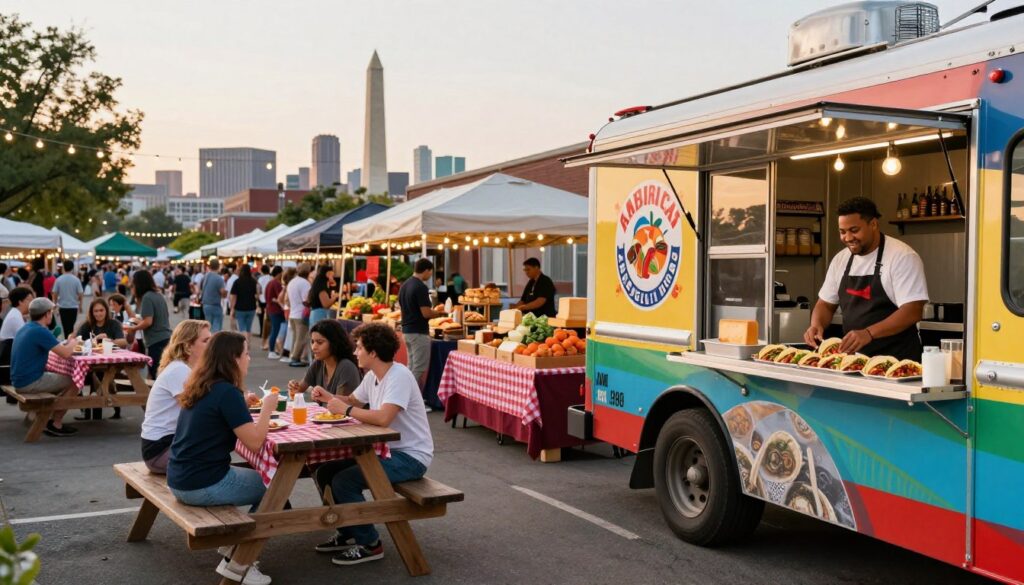
For those seeking authentic and diverse flavors, two American cities consistently top the list of must-visit destinations. Their food cultures are deeply woven into the nation’s identity.
New Orleans: A Celebration of Creole and Cajun Cuisine
New Orleans holds the top spot for a reason. Its unique cuisine blends French, Spanish, African, and Caribbean traditions.
This fusion creates dishes found nowhere else in the country. Must-try specialties include rich gumbo, spicy jambalaya, and crawfish etouffee.
Don’t forget the seafood and legendary desserts like beignets. Restaurants here offer an experience that imitations simply cannot match.
New York City: Iconic Eats and Street Food Faves
New York City’s strength is its incredible variety. Iconic street eats like hot dogs and pretzels are just the start.
You must try a classic NY slice, a perfect bagel, and creamy cheesecake. The city’s ethnic neighborhoods, like Chinatown, house authentic restaurants.
These areas preserve generations of culinary tradition. They are favorites for a truly immersive meal.
| New Orleans Signature Dishes | New York City Iconic Foods | Best Place to Try |
|---|---|---|
| Gumbo | NY Style Pizza | Local Restaurants |
| Jambalaya | Bagels with Lox | Historic Delis |
| Beignets | Street Hot Dogs | City Street Carts |
| Crawfish Etouffee | New York Cheesecake | Classic Diners |
Global Street Food Journeys
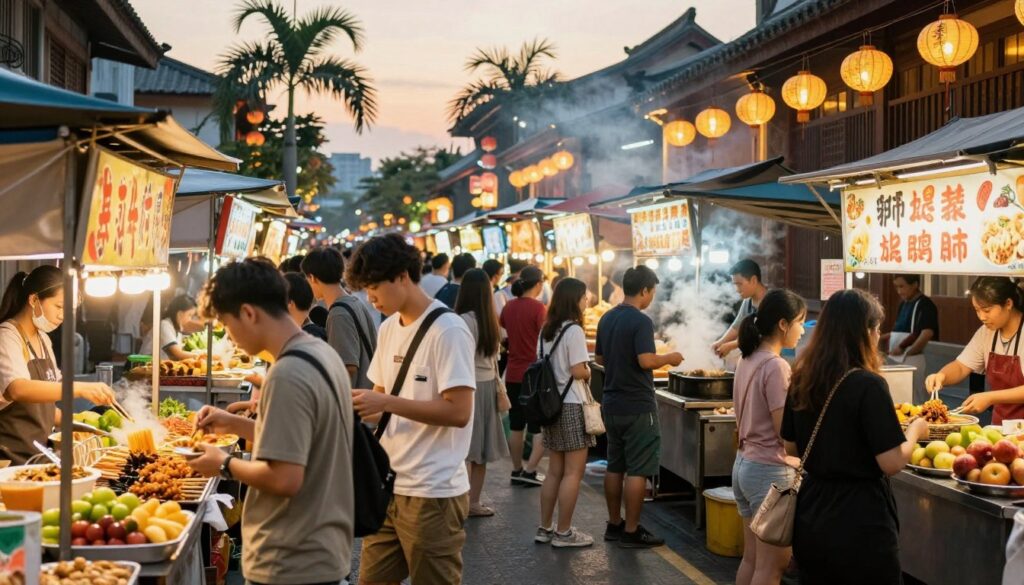
Across the globe, some of the most memorable meals are served on plastic plates, not fine china. Nowhere is this truer than in Southeast Asia.
Here, street food culture reaches its vibrant pinnacle. It offers an authentic, affordable window into local life.
Bangkok: A Burst of Som Tum Flavors
In Bangkok, the iconic som tum, or green papaya salad, is a must-try. This dish delivers a powerful bang of flavors—sour, salty, sweet, and intensely fiery.
Its texture is extraordinary. Cool slivers of papaya and carrot mix with crunchy peanuts, sweet shrimp, and juicy tomatoes.
For an authentic version, seek out the rambling streetside shack known as Jay So. Somtam Nua at Siam Center offers a slightly tamer version for new palates.
Eating this food amid the city’s traffic and heat is a true rite of passage.
Kuala Lumpur: Savoring Authentic Curry Laksa
Kuala Lumpur’s charm lies in its hawker centers. Tiny stalls are tucked into the shadows of towering skyscrapers.
On Madras Lane, competing stalls serve incredible curry laksa. The best place to start is the one with the longest queue.
A complex spice blend creates its signature fiery-orange broth. Fresh turmeric, galangal, chili, and shrimp paste mix with coconut milk.
The bowl is filled with two types of noodles, shredded chicken, shrimp, tofu puffs, and fresh herbs. Every spoonful is a lip-smacking mix of ingredients and flavors.
This street cuisine represents generations of perfected, traditional cooking methods.
Fine Dining Experiences Around the World
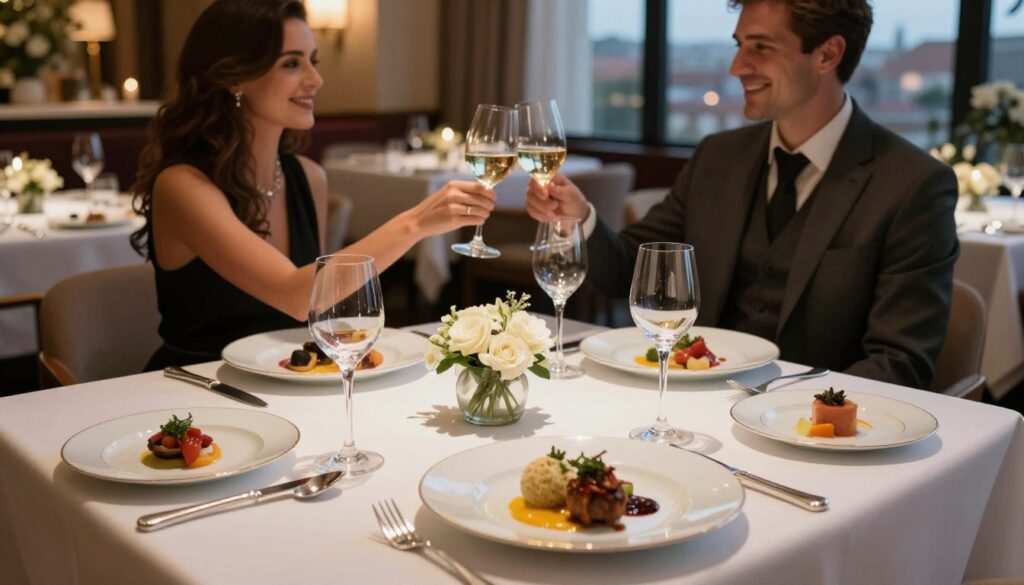
Beyond the bustling street stalls, another world of culinary excellence awaits in the hushed reverence of fine dining. Here, meals become immersive rituals that honor deep-rooted traditions.
This scene isn’t about stuffy formality. It’s about respecting the years of dedication chefs invest in their craft.
Tokyo’s Sushi Tradition and Omakase Mastery
In Tokyo, the sushi chef is a master artist. The most revered restaurants often serve omakase–style, meaning “I leave it to you.”
You trust the chef to craft a menu based on the day’s finest ingredients. Proper etiquette is part of the experience. Use your hands, not chopsticks, to pick up each piece.
The rice is seasoned perfectly, a skill masters spend years perfecting. While legendary spots have long waits, superb restaurants like Mantensushi Marunouchi offer an accessible, life-changing table.
Copenhagen’s Smørrebrød: A Culinary Classic
Copenhagen presents a different kind of refined dining. The open-faced sandwich, or smørrebrød, follows specific, elegant rules.
Toppings are layered with thin items first, then bulkier ones. When enjoying multiple sandwiches, a sequence is followed: herring, then fish, meat, and finally cheese.
Classic combinations feature pickled herring with dill or roast beef with horseradish. For the ultimate experience, visit Restaurant Schonnemann.
This institution has served these artistic creations since 1877. Their presentation is so delicate, it rivals sushi in its style and precision.
Exploring these world dining traditions offers a profound lesson. It shows how food connects us to culture and craftsmanship, one impeccable bite at a time.
Cultural Culinary Experiences and Local Markets
To truly grasp a region’s soul, step away from the restaurant and into its vibrant local markets. These bustling hubs are the heartbeat of a place’s food culture. They offer an immersive way to connect with traditions that define a community.
Local Food Festivals and Traditional Markets
In Mexico City, visit the ancient chinampas at Xochimilco. These floating gardens showcase sustainable farming techniques with centuries of history. Chefs still source ingredients from these plots today.
Nearby agave farms reveal the artisanal way of crafting small-batch tequila. This connects beverage production directly to agricultural heritage. It’s a profound lesson in origin.
San Francisco’s Ferry Building weekend market bursts with seasonal variety. Local producers showcase artisanal products that reflect the area’s culinary identity. Chinatown’s markets add another layer of authentic discovery.
For a hands-on part of the process, join a cooking class in Sifnos, Greece. Participants follow the food journey from local farms directly to the plate. This deepens appreciation for every ingredient.
Traditional markets, like those around Petaling Street in Kuala Lumpur, act as living museums. The longest queue often leads to the best curry laksa stall. These spaces keep generations of craft alive, making every meal a richer experience.
Discovering Hidden Culinary Gems in Iconic Cities
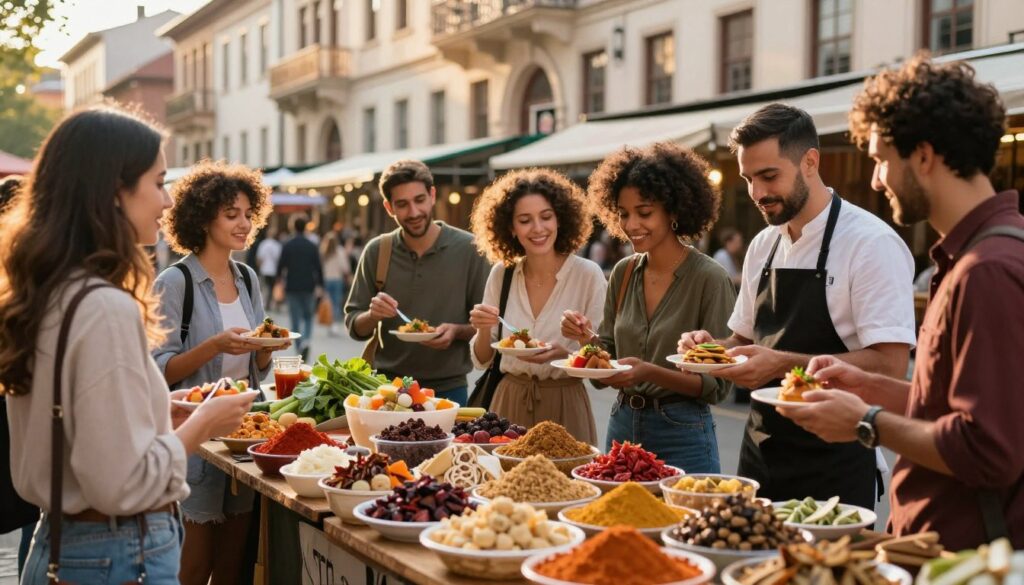
True culinary exploration often means looking past the obvious to find places with vibrant, evolving food identities.
Atlanta’s food landscape is a prime example. It extends far beyond soul food to include exceptional Korean, Italian, and Middle Eastern restaurants. Legendary steakhouses and epic brunch spots round out this diverse scene.
Miami offers an authentic culinary layer beneath its tourist facade. Genuine Cuban and Haitian cuisine shines here. For unexpected fine dining, one standout is located at the Fontainebleau hotel on South Beach.
Charleston boasts an impressive roster of James Beard Award-winning chefs. They have reinvented traditional Lowcountry cuisine. Local favorites on any savvy diner’s list include Chubby Fish, Leon’s, and The Ordinary.
Switzerland’s cuisine reflects its multicultural borders. In Geneva, French and Italian influences dominate with amazing pastas. In Zurich, the city‘s food is completely different, with a big emphasis on Bavarian dishes.
Buenos Aires is an unexpected culinary powerhouse. This destination offers everything from world-famous steaks to diverse international restaurants. Its vibrant scene beautifully reflects the city‘s immigrant heritage.
The Art of Food and Wine Pairing on Your Travels
In certain destinations, the local wine culture and culinary artistry are inseparable. This creates a holistic experience for visitors.
Exploring these regions offers a dual delight. The food scene often stands proudly alongside the celebrated vineyards.
Napa Valley: Celebrating Wine and Gourmet Cuisine
Napa Valley is the premier American place for this synergy. It is not just about drinking great wine.
The food scene here is top-notch. World-class restaurants complement the local vintages perfectly.
One favorite is Bouchon Bakery and Café by renowned chef Thomas Keller. The legendary French Laundry remains on many bucket lists.
This dining is innovative. It matches the sophistication of the wine rather than just accompanying it.
| Destination | Signature Wine | Culinary Highlight |
|---|---|---|
| Napa Valley, USA | Cabernet Sauvignon, Chardonnay | Thomas Keller’s restaurants, farm-to-table fine dining |
| Mendoza, Argentina | Malbec | Asado barbecue, boutique winery kitchens |
Mendoza, Argentina, is a world-renowned wine region. It sits in a valley against the stunning Andes mountains.
Wineries range from small, family-owned spots to super-modern architectural wonders. A boutique tasting room like Cundo Altamira offers excellent food and warmth.
Pairing a visit here with Buenos Aires creates the perfect holiday. It combines urban culinary sophistication with serene wine country tranquility.
Top Foodie Travel Destinations You Can’t Miss
The following destinations represent the pinnacle of gastronomic travel, each with a signature dish that tells a story.
San Sebastián, Spain, is famous for its food scene built around pintxos. These small bites range from simple battered asparagus to modern culinary art. In Austin, Texas, Franklin Barbecue defines the cuisine with legendary smoked brisket.
Naples, Italy, is the birthplace of pizza, perfected at historic spots like Di Matteo. Hong Kong offers world-class dim sum. Kaikōura, New Zealand, serves fresh crayfish right by the ocean.
| Destination | Signature Dish | Notable Spot |
|---|---|---|
| Seoul, South Korea | Bibimbap | Local eateries |
| Mexico City, Mexico | Modern Mexican | Pujol restaurant |
| Faroe Islands | Fermented seafood | KOKS |
| Chicago, USA | Deep-dish pizza | Alinea |
From the Amalfi Coast’s seafood to Portland’s doughnuts, this list shows incredible variety. Every country and town has its own way with food. These places prove that amazing dishes and restaurants exist everywhere.
Planning Tips for Your Culinary Journey
A successful food-focused trip hinges on smart preparation and local knowledge. Good planning turns a dream vacation into a smooth, memorable adventure.
Research is your best tool. It helps you secure spots at coveted restaurants and understand local customs.
Reservation Strategies and Itinerary Planning
For elite dining experiences, book months ahead. Places like Noma in Copenhagen require this.
Plan your flights around confirmed dining reservations. In remote regions like the Faroe Islands, few nice restaurants exist.
Always check seasonal hours. In Kaikōura, crayfish quotas protect marine life. Local shacks may close unexpectedly.
Budgeting and Local Insider Tips
Balance your budget between street food and fine dining. This way offers a rich food scene.
Follow local timing. In San Sebastián, start pintxos bar-hopping around 9pm after a rest.
At hawker stalls, pick the one with the longest queue. Locals know the best quality.
Respect dining sequences. For Copenhagen’s smørrebrød, start with herring, then fish, then meat, then cheese.
Use chopsticks between sushi courses for ginger. Clean your fingers with the oshibori towel.
With a good list and flexible schedule, your travel time becomes an unforgettable culinary story.
Conclusion
These culinary explorations highlight a simple truth: food is the most intimate map to any culture. The memorable experiences shared here are just a starting point. An incredible world of cuisine awaits beyond this list.
True discovery isn’t about checking restaurants off a list. It’s about an open mind, respect for traditions, and a willingness to try new flavors. Every dish, from street-side to fine-dining, tells a unique story.
Use this guide as a foundation to plan your own journey. Then, stay open to the magic of spontaneous moments. A conversation with a vendor or a market find can become the best part of your trip.
Ultimately, food is a universal language. It connects us directly to the heart and soul of every place. Let it guide your next adventure.
FAQ
What is the best time to visit New Orleans for its food scene?
How can I find authentic street food in places like Bangkok?
What should I know before a fine dining experience in Tokyo?
Are local food markets safe for travelers to try?
What’s a hidden culinary gem in an iconic city?
How do I pair food and wine in a region like Napa Valley?
Any tips for planning a food-focused trip on a budget?

Sharon Molly is a content creator in lifestyle, fashion, and travel, delivering style-savvy advice and destination insights to inspire confident living. With a background in digital media, she combines aesthetics with practical guidance for modern women on the go.