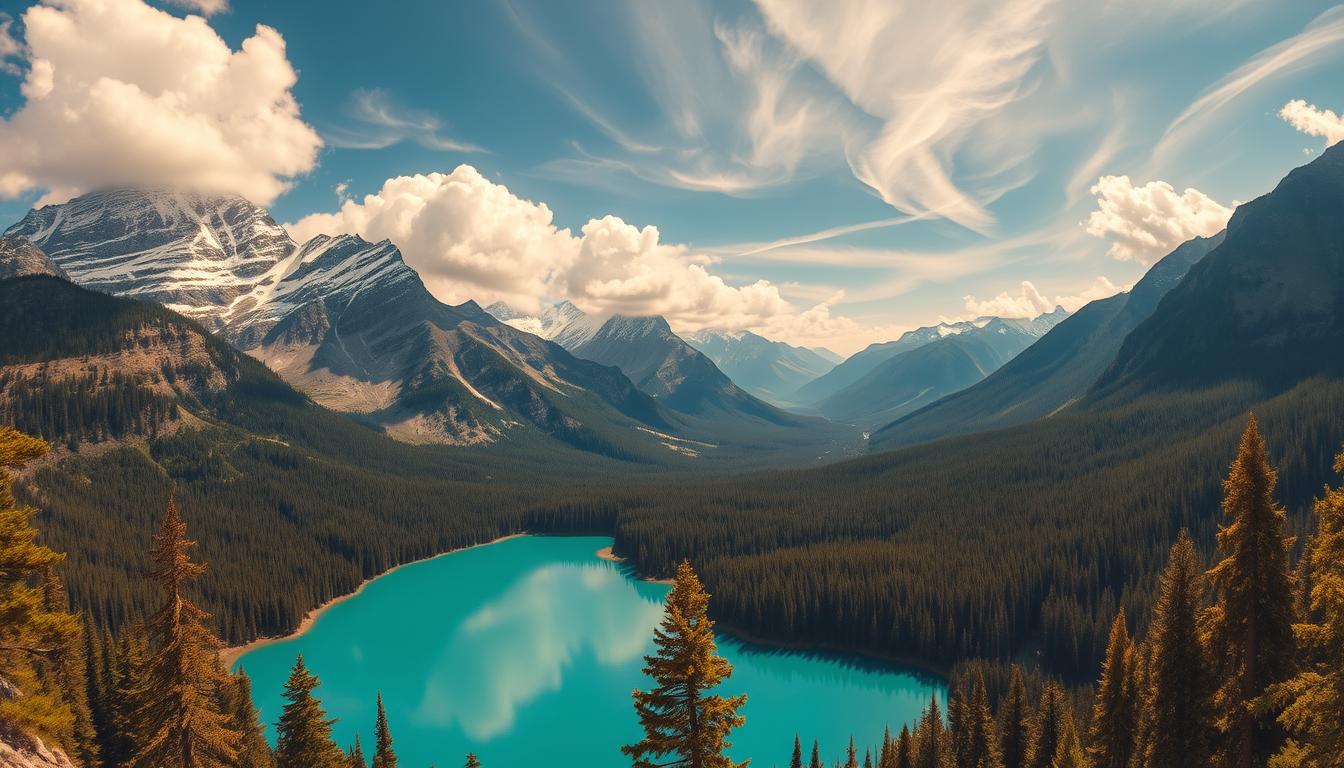
Best National Parks in the USA
Since 1904, over 16.4 billion visits have been logged across protected lands managed by the National Park Service. That’s enough for every person on Earth to visit twice—and still have millions of entries left over. This staggering number reflects America’s deep connection to its wild spaces, from Alaska’s icy fjords to Hawaii’s bubbling volcanoes.
The system spans 85 million acres of mountains, deserts, and forests—roughly the size of Germany. Within these areas flow 150,000 miles of rivers and 21,000 miles of trails. Popular spots like Great Smoky Mountains and Glacier saw record crowds in 2024, proving these places remain timeless escapes.
But there’s more than just the 63 headline parks. The 429 units include battlefields, lakeshores, and monuments. Each offers something unique, whether it’s stargazing in Utah’s red-rock deserts or spotting bison in South Dakota’s grasslands.
Planning a trip? You’ll find tips here for first-timers and seasoned explorers alike. Let’s dive into what makes these destinations unforgettable.
Key Takeaways
- America’s park system has welcomed over 16.4 billion visits since 1904
- 85 million acres protect ecosystems from deserts to rainforests
- 63 major parks are part of a 428-unit network with diverse attractions
- Record visitor numbers in 2024 highlight growing popularity
- Each region offers distinct landscapes and activities
- Practical planning advice enhances any park experience
Introduction: The Allure of American National Parks
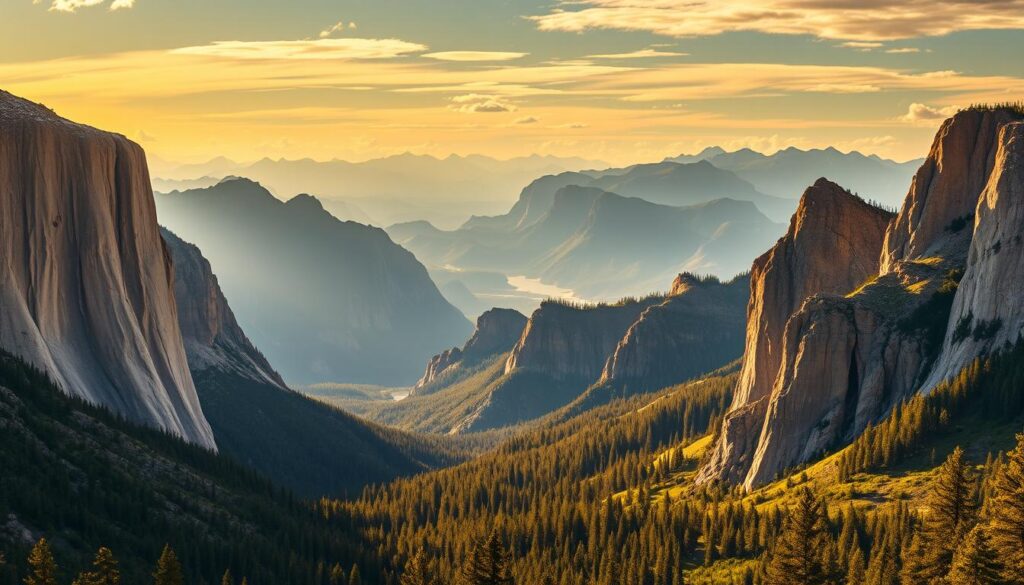
What makes these protected areas so irresistible? For starters, they cover landscapes as varied as your wildest dreams. Imagine kayaking through Florida’s mangrove tunnels one week and hiking Montana’s jagged peaks the next. That’s the magic of North America’s park system—a patchwork of 85 million acres where adventure waits around every bend.
The numbers tell part of the story. Over 21,000 miles of trails wind through forests and deserts. Rivers carve through canyons for 150,000 miles. But stats can’t capture the feeling of standing beneath ancient sequoias or watching geysers erupt at dawn.
Visitors return year after year for good reason. Easy drives like Skyline in Shenandoah let everyone enjoy vistas. Backpackers test skills on challenging routes like Alaska’s Kesugi Ridge. Families bond over campfire stories in places that feel worlds away from daily life.
| Park Feature | Yellowstone | Everglades | Olympic |
|---|---|---|---|
| Unique Trails | Grand Prismatic Overlook | Anhinga Boardwalk | Hoh Rainforest Hall of Mosses |
| Waterways | Firehole River | Nine Mile Pond | Sol Duc Falls |
| Wildlife Spotting | Bison herds | Alligators | Roosevelt elk |
From Hawaii’s lava fields to Maine’s rocky coasts, each park writes its own chapter in nature’s storybook. Whether you seek solitude or shared wonder, these spaces offer something timeless. They remind us why protecting wild places matters—for the planet and the human spirit.
Exploring National Parks in the USA
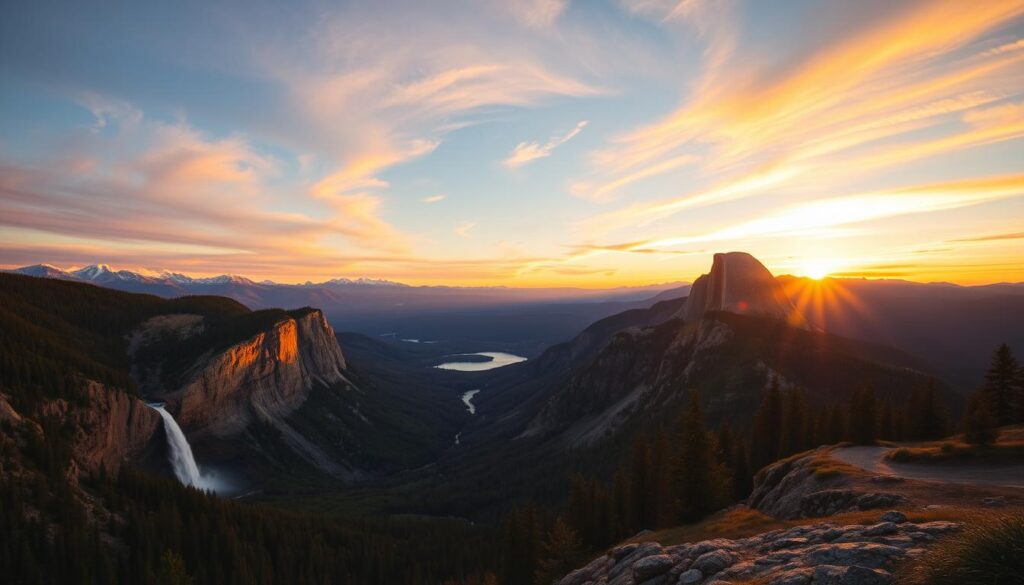
From dawn at the Grand Canyon to geysers at Yellowstone, experiences here last a lifetime. These moments define what makes protected lands special—raw connections with nature that rewrite personal histories. Whether watching bison roam or hearing waterfalls echo, each visit carves lasting memories.
Defining the Iconic Experience
Seasonal shifts create fresh adventures yearly. Spring paints Death Valley with wildflowers, while winter turns Rocky Mountain into a snowy playground. Rangers say it best: “There’s no wrong time to visit—just new ways to explore.”
Smart planning maximizes every trip. Arrive early to beat crowds at popular trails. Pack layers—weather changes fast in elevated areas. Download offline maps since cell service often vanishes.
| Park | Must-Do Activity | Best Season | Unique Feature |
|---|---|---|---|
| Yellowstone | Geyser gazing | Fall | World’s largest hot spring |
| Yosemite | Half Dome hike | Summer | Granite cliffs |
| Great Smoky Mountains | Leaf peeping | October | 1600+ plant species |
Beyond scenery, these parks teach conservation through ranger talks and museum exhibits. Touch dinosaur fossils at Dinosaur National Monument or walk Civil War trenches at Gettysburg. Every site tells layered stories—of earth’s power and human history.
North America’s protected lands offer more than postcard views. They invite you to slow down, breathe deep, and rediscover wonder. As one regular visitor notes:
“You don’t just see these places—you feel them in your bones.”
A Historical Perspective on the National Park System
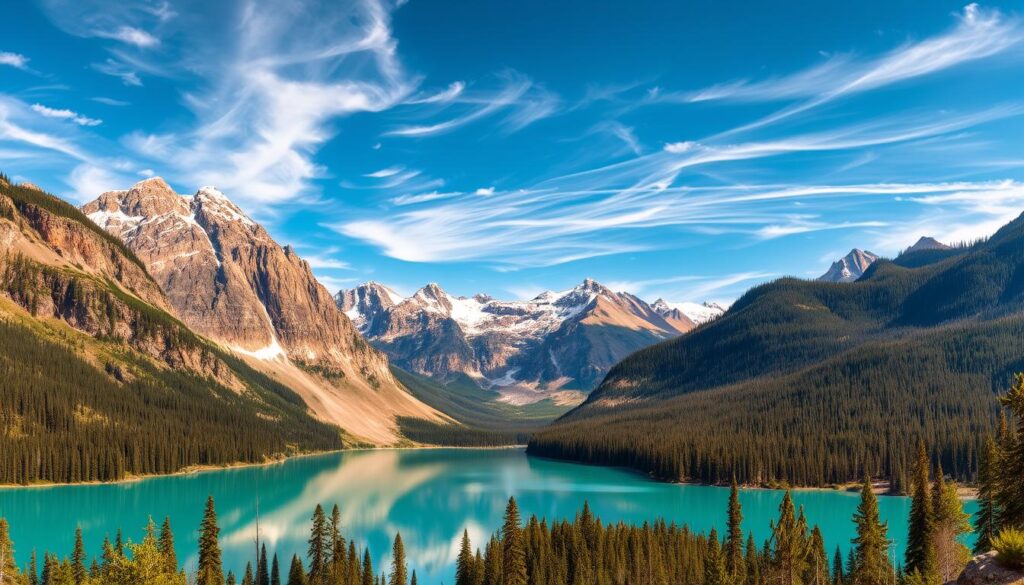
Yellowstone’s creation in 1872 changed how nations value wild spaces. This revolutionary idea—protecting land for public enjoyment instead of private profit—became a blueprint for global conservation. 4.7 million visitors explored its geysers and forests in 2024, proving its timeless appeal.
From Yellowstone to Modern Conservation
The park’s 2.2 million acres stretch across Wyoming, Montana, and Idaho. Craggy peaks tower over steaming hot springs, while wolves and bison roam freely. Rangers often say, “This isn’t just scenery—it’s a living classroom.”
Early challenges shaped today’s management strategies. Poaching and logging threatened ecosystems until stricter protections emerged. Success stories like wolf reintroduction show how science guides modern efforts.
Yellowstone’s legacy extends far beyond its borders. Its model inspired Canada’s Banff and South Africa’s Kruger. The United States expanded this vision, creating a network spanning from Alaska’s glaciers to Florida’s mangroves.
Three key developments transformed land stewardship:
- 1916 National Park Service founding
- 1960s wilderness protection laws
- Current climate resilience programs
These efforts ensure wild places remain intact for future generations. As one historian notes, “Yellowstone didn’t just preserve land—it sparked a worldwide movement.” From boardrooms to hiking trails, its impact echoes through time.
West Coast Wonders and Iconic Landscapes
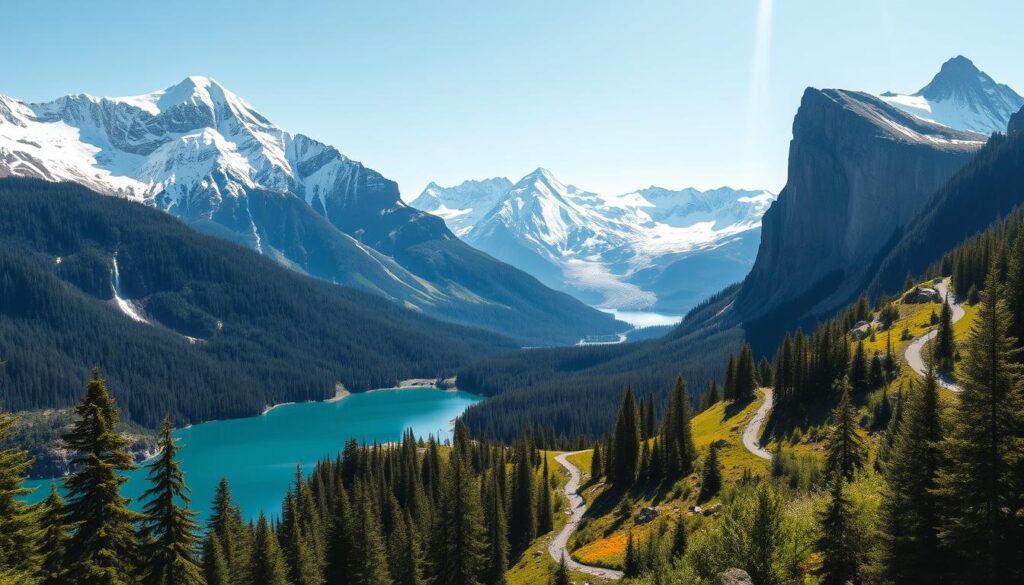
“No temple made with human hands can compete with Yosemite,” naturalist John Muir declared—a truth 4.1 million visitors witnessed firsthand in 2024. California’s crown jewels showcase nature’s extremes, from mist-shrouded waterfalls to sun-baked desert gardens.
Granite Guardians and Forest Titans
Yosemite Valley stops hearts with its glacial-carved cliffs. Half Dome’s sheer face challenges rock climbers, while Yosemite Falls tumbles 2,425 feet—North America’s tallest waterfall. Rangers joke, “Our mountains make skyscrapers look like Lego sets.”
Head south to walk among living giants. Sequoia’s General Sherman Tree stretches 275 feet tall—higher than a 26-story building. Its bark alone grows 31 inches thick, armor against wildfires that shaped this ecosystem.
Desert’s Living Sculptures
Joshua Tree’s twisted yucca brevifolia trees frame starry night skies. These spiky survivors thrive where Mojave and Colorado deserts meet. Sunrise paints the rocks gold, revealing hidden arches and boulder piles perfect for scrambling.
Geology shapes every vista here. Glaciers carved Yosemite’s U-shaped valleys while volcanic forces pushed up the Sierra Nevada. In the desert, wind and water sculpted fantastical formations over millennia.
“We’re not just protecting places—we’re safeguarding wonder itself.”
Eastern Escapes: Coastal and Forest Retreats
Where granite cliffs meet crashing waves, Acadia National Park embodies New England’s rugged beauty. Nearly 4 million visitors came here in 2024, drawn to Mount Desert Island’s mix of wild shores and storybook villages. Kayak past lighthouses at dawn or bike historic carriage roads—every turn reveals land and sea in perfect balance.
Where Wilderness Meets Community
Acadia’s magic lies in its blend of untamed nature and coastal charm. Local shops line streets near trailheads, offering fresh lobster rolls after hikes up Cadillac Mountain. Rangers note, “You can summit a peak and buy homemade blueberry pie within the same hour.”
Head south to discover why over 12 million people visited Great Smoky Mountains National Park last year. Mist drapes ancient peaks like a living curtain, hiding waterfalls and black bears alike. Drive the Newfound Gap Road for valley views, or tackle part of the Appalachian Trail’s 800-mile stretch through these hills.
Appalachian Treasures
The Smokies shelter more tree species than all of Europe. Spring paints the slopes pink with rhododendron blooms, while fall sets the forests ablaze. Evening often brings synchronous fireflies—a natural light show found nowhere else in the United States.
These eastern gems prove wild spaces thrive near cities. Whether watching sunrise from Maine’s rocky coast or tracing Tennessee’s foggy ridges, you’ll find nature’s rhythm here—a timeless beat that keeps hearts returning.
FAQ
What makes Yellowstone a must-visit park?
Why is the Grand Canyon so iconic?
Are there parks ideal for family road trips?
Which East Coast park is best for fall foliage?
How did the national park system start?
What’s the most visited park in the U.S.?
Can I visit multiple parks in one trip?

Eduard Kingly is a travel and lifestyle content creator with a focus on personal development and education. He combines firsthand travel experiences with research-driven insights to guide readers in discovering new places, building better habits, and pursuing meaningful learning.